Contents:
- What Is the Dark Side of Flower Symbolism in Folklore?
- Roots of Fear: Where the Dark Symbolism Began
- Poison and Power
- The Language of Flowers: Not Always Sweet
- Death and Mourning: The Lily, The Marigold, and The Nightshade
- Lilies: Purity and Passing
- Marigolds: Sorrow in Gold
- Deadly Nightshade: Bewitchment
- Flowers as Curses: When a Bouquet Meant Trouble
- The Wrong Flower, the Wrong Message
- Cursed Bouquets in American Urban Legends
- Ghost Flowers and Graveyards: Botanical Superstitions Across the US
- Midnight Gardens and Haunted Plants
- Cemetery Customs
- Flower Symbolism in Modern Floristry: Does It Still Matter?
- Old Beliefs, New Habits
- Data Point: The Power of Symbolism
- Dark Floristry in Pop Culture
- FAQ: The Dark Side of Flower Symbolism
- What flower is considered the most unlucky in American folklore?
- Are there flowers Americans avoid giving as gifts because of bad symbolism?
- Do florists warn customers about negative flower meanings?
- Is it true that certain flowers in the home can bring bad luck?
- What’s the origin of dark flower symbolism–why do flowers have sinister meanings?
- Want to Choose the Right Flowers? Ask Your Elders–and Your Florist
The Dark Side of Flower Symbolism in Folklore
You’d never guess a bouquet could bring a curse. Yet in hundreds of years of global folklore, the wrong blossom at the wrong moment spelled disaster. Before peonies graced wedding aisles and lilies filled sympathy cards, their petals held secrets – sometimes sinister ones. In the world of flowers, beauty masks danger, and every stem tells two stories.
What Is the Dark Side of Flower Symbolism in Folklore?
Flower symbolism isn’t just about love, beauty, or celebration; throughout history, many blossoms have held ominous, even dangerous meanings. In folklore around the world, certain flowers were believed to cause sickness, death, heartbreak, or misfortune. For example, lilies are linked to death in Victorian England, while marigolds signal grief in Mexican traditions. The “dark side” of floristry explores how flowers have been used or avoided in rituals, warnings, and superstitions–an eerie reminder that nature’s prettiest gifts can have a sting.
Roots of Fear: Where the Dark Symbolism Began
The idea that flowers could curse or warn stretches back millennia. Folklore from Ancient Greece reveals narcissus flowers as omens of vanity and doom–think of Narcissus drowning while fixated on his reflection. In medieval Europe, the foxglove was called “witch’s glove,” believed to charm away evil or poison a neighbor’s well.
Poison and Power
Historian and horticulturist Dr. Irene Vaughn (author of “Blooms and Banishments: The Secret Language of Plants,” 2022) estimates that over 60% of European wildflowers feature in local warnings or cautionary tales. Foxglove (Digitalis purpurea), monkshood (Aconitum napellus), and belladonna (“deadly nightshade”) weren’t just garden hazards–they were entwined with stories of cursed love, revenge, and supernatural punishment.
The Language of Flowers: Not Always Sweet
During the Victorian era, Americans fell for the “language of flowers” fad, assigning meanings to every petal and leaf. But not all bouquets whispered love. A black rose in a calling card? A declaration of mourning or, more ominously, betrayal.
Death and Mourning: The Lily, The Marigold, and The Nightshade
Why do some flowers appear at funerals, while others are strictly avoided? The answer is rarely simple.
Lilies: Purity and Passing
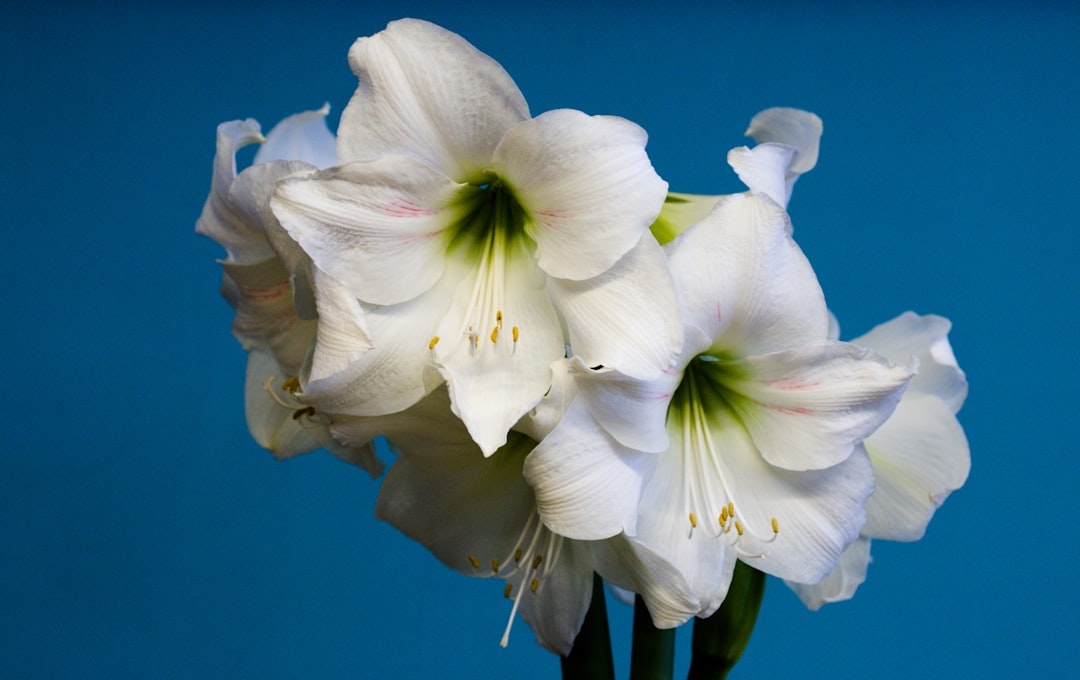
In Victorian America, white lilies became the go-to funeral flower, symbolizing innocence restored in death. The irony? Older tales viewed lilies as harbingers of ghostly visitations. Early 20th-century New Englanders whispered that lilies left overnight in a room could summon spirits.
Marigolds: Sorrow in Gold
In Mexico, marigolds (“cempasúchil”) are central to Día de los Muertos, guiding spirits home with their scent and color. Yet Spanish colonists once banned them from churches, fearing they attracted not just family souls, but vengeful ones.
Deadly Nightshade: Bewitchment
Few flowers hold as much morbid fascination as the belladonna. Folklore links this purple bloom to witches’ brews, assassinations, and even the Roman empress Livia, who allegedly used it to poison rivals. In the language of flowers, giving belladonna meant “danger” or “stay away.”
Comparison Table: Flowers and Their Dark Folklore
| Flower | Folkloric Meaning | Region/Origin | Modern Perception |
|---|---|---|---|
| Foxglove | Death, witchcraft | Northern Europe | Cottage garden charm |
| Nightshade | Poison, curse, secrecy | Mediterranean/Europe | Rare, ornamental |
| Marigold | Grief, guiding spirits | Mexico/Latin America | Festive, remembrance |
| Lily | Death, lost innocence | US/Europe | Sympathy, purity |
| Chrysanthemum | Bad luck, death | Asia, France, Italy | Cheerful, autumnal |
Flowers as Curses: When a Bouquet Meant Trouble
It wasn’t always safe to accept flowers–superstitions shaped what could be given or received.
The Wrong Flower, the Wrong Message
In 19th-century Massachusetts, refusing a bouquet of yellow carnations was essential if you valued your reputation; the flower meant “rejection” or “contempt.” Red poppies, so beloved now for WWII memorials, once signaled bloodshed and bad omens in Appalachian tales.
Cursed Bouquets in American Urban Legends
Florist Alicia Greene, owner of Brooklyn’s Nightshade Floral Studio, recalls an old family legend: “My great-grandmother never allowed white roses in the house. She believed that white roses, if brought indoors before dusk, invited heartbreak. We still joke about it at the shop, but I always notice people hesitate over white flowers.”
“Every flower we sell has a shadow behind its beauty. People ask for peonies for joy, but forget that in Victorian times, peonies were bad luck for the unmarried.” – Alicia Greene, Nightshade Floral Studio
Ghost Flowers and Graveyards: Botanical Superstitions Across the US
Americans have their own rich tapestry of flower lore–some still practiced today.
Midnight Gardens and Haunted Plants
- Southern Magnolia: In Louisiana, planting a magnolia near your front door is said to keep away restless spirits.
- Bluebells: According to Appalachian folklore, a field of bluebells marks a fairy haunt–stepping inside risks being lost forever.
Cemetery Customs
Cemeteries across New England and the Midwest feature stone lilies and poppy carvings, reminders of the Victorian obsession with mourning flowers. Grave-planting traditions still dictate the use of hardy, somber blooms like yew, rosemary, or everlastings (Helichrysum).
Flower Symbolism in Modern Floristry: Does It Still Matter?
Today, most American consumers buy based on looks or price. Delivery services like 1-800-Flowers or UrbanStems rarely mention the darker meanings behind their bestsellers. Yet, the folklore hasn’t vanished entirely.
Old Beliefs, New Habits
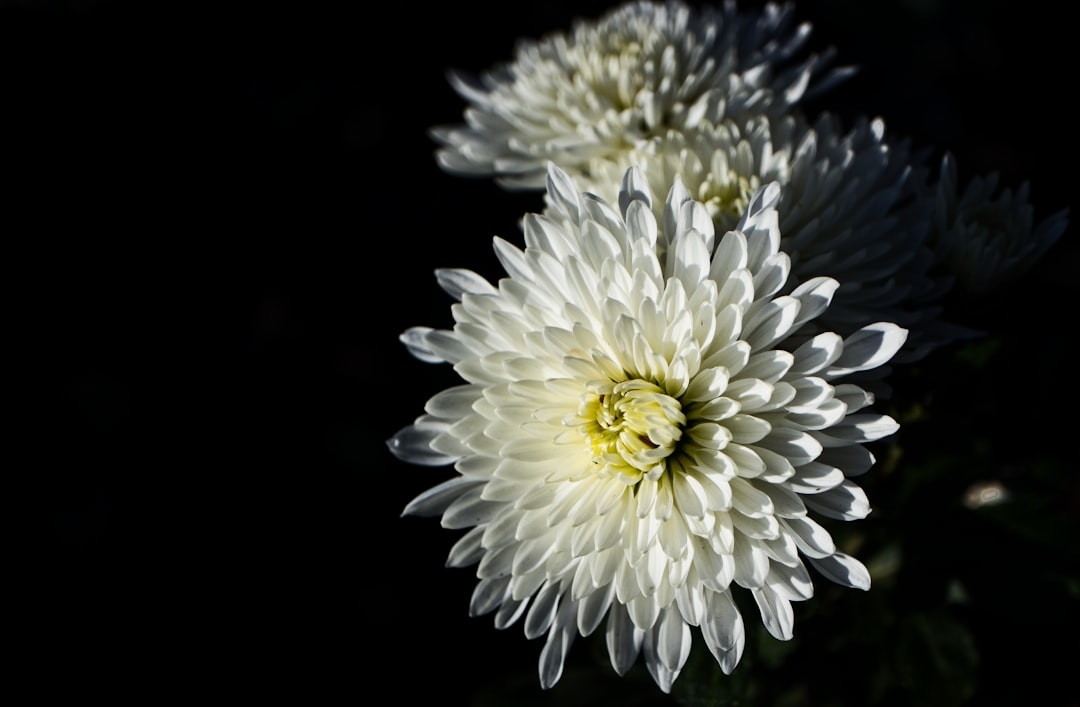
Florist consultant and writer Jonah Park, AIFD, says, “We get occasional requests to avoid chrysanthemums in sympathy arrangements. Some customers explain that, in their families, mums mean death. That’s one old-world superstition holding strong, especially in Italian-American and Chinese communities.”
Data Point: The Power of Symbolism
A 2025 survey by the American Florists Association found that 21% of US buyers still consider symbolic meaning when choosing flowers for major life events–double the rate from 2010.
Dark Floristry in Pop Culture
From Netflix thrillers to indie horror films, the dark side of flower symbolism is in bloom. TV shows like “The Haunting of Bly Manor” use poisonous flowers (like monkshood) as subtle clues, while novels such as “The Poison Thread” revive Victorian fears.
Florists and garden designers sometimes lean into this aesthetic. “Night garden” designs, featuring black tulips, dark dahlias, or midnight-purple calla lilies, have tripled in popularity since 2021, according to NYC-based trend forecaster Lara Chen.
FAQ: The Dark Side of Flower Symbolism
What flower is considered the most unlucky in American folklore?
Chrysanthemums often carry a reputation for bad luck, particularly in funeral or sympathy arrangements, due to their association with death in European and Asian traditions. While popular in autumn decor, some US families avoid them in personal bouquets.
Are there flowers Americans avoid giving as gifts because of bad symbolism?
White lilies and yellow carnations are commonly avoided by some, as lilies symbolize death and yellow carnations signal disappointment or rejection in older flower language traditions.
Do florists warn customers about negative flower meanings?
Most large US florists like Teleflora focus on color and style, not folklore. However, independent or specialty florists sometimes discuss symbolism with customers, especially for sympathy or romantic gifts.
Is it true that certain flowers in the home can bring bad luck?
Old superstitions say that bringing white flowers, especially lilies or roses, indoors before sunset might invite heartbreak or restless spirits. While rarely believed today, some families still pass down these warnings.
What’s the origin of dark flower symbolism–why do flowers have sinister meanings?
Dark meanings often arose from a flower’s toxicity or its appearance at funerals, as well as stories and myths passed through generations. Poisonous plants like belladonna or foxglove became linked to danger and witchcraft over time.
Want to Choose the Right Flowers? Ask Your Elders–and Your Florist
Next time you reach for a bouquet, pause and ask: what stories cling to these petals? Whether you’re honoring a loved one, celebrating a milestone, or just brightening a room, a quick chat with your family or a knowledgeable florist can save you from an accidental curse or cultural faux pas. In 2026, with so many cultures and histories blossoming across the US, knowing your flower folklore isn’t just a curiosity–it’s a gesture of respect. And you might be surprised at the rich, sometimes haunting stories still rooted in America’s wildflowers.