Contents:
- Are Skillshare Flower Courses Worth It? (Quick Answer)
- What You Can Learn: Skillshare’s Floristry Curriculum
- Bouquet-Building Basics
- Advanced: Event Florals & Large Installations
- Niche & Trending Topics
- How Skillshare Flower Courses Stack Up vs. Other Options
- Who Teaches Skillshare Flower Courses?
- Real Skillshare Experience: What Students Say
- Reviews From Real US Users
- Common Praises & Critiques
- Is Skillshare Right for You? Who Gets the Most Value
- What You Need: Supplies & Expectations
- Can You Start a Floristry Side Hustle With Skillshare Courses?
- FAQ About Skillshare Flower Courses
- How much does Skillshare cost in 2026?
- Do Skillshare flower courses offer certificates?
- Are flowers and supplies included in the course price?
- Can I interact with instructors directly?
- Is Skillshare good for advanced florists?
- Ready to Try It? Here’s What to Do Next
Skillshare Flower Courses Worth It? A Deep Dive for Curious Creators
A bouquet isn’t just a bundle of stems–each curl of peony or twist of tulip is a hand-shaped story. The American floral industry is booming, with over $6 billion spent on cut flowers in 2025 alone, according to the Society of American Florists. DIY flower arranging is more than a trend; for many, it’s a creative escape. But is learning floristry on Skillshare actually worth your time (and dollars), or are you better off with YouTube tutorials or local workshops?
Let’s peel back the petals and see what Skillshare’s flower courses actually offer, who they’re for, and if they’re a smart investment for hobbyists or aspiring pros.
Are Skillshare Flower Courses Worth It? (Quick Answer)
Yes, Skillshare flower courses are worth it for beginners and hobbyists looking for accessible, affordable, and diverse floristry instruction.
- Membership starts at around $13.99/month (billed annually as $167.88), granting you unlimited access to dozens of flower-arranging classes.
- Courses range from basic bouquet building to advanced event floral design.
- Taught by experienced florists, including winners of the American Institute of Floral Designers (AIFD) awards and working NYC shop owners.
- While less hands-on than in-person classes, they offer exceptional flexibility and a wide variety of styles.
If you’re an absolute beginner or want a risk-free way to explore flower design, Skillshare is one of the most cost-effective options in 2026.
What You Can Learn: Skillshare’s Floristry Curriculum
Skillshare’s floristry content isn’t just rose bouquets for Mother’s Day. It covers fundamentals like conditioning stems, color theory, and vase design–right up to modern, sculptural installations. Let’s map out the types of courses on offer.
Bouquet-Building Basics
Most beginners start with classes like “Floral Arranging for Beginners” by Emily Scott (AIFD, Brooklyn). In just 45 minutes, you’ll learn:
- Flower selection at American grocery stores (Trader Joe’s, Whole Foods, local markets)
- Conditioning and prepping blooms for long vase life
- DIY spiral hand-tied bouquet technique–the European style trending in 2026
Emily’s course, with over 21,000 enrolled US students, is peppered with practical tips (e.g., lemon-lime soda for vase water, or how to control stubborn eucalyptus).
Advanced: Event Florals & Large Installations
For those dreaming bigger, Skillshare features advanced classes like “From Tabletop to Archway: Large-Scale Floral Design” by Marcus Chen (LA-based event florist, 2024 WeddingWire Award Winner). These courses break down:
- Mechanics for foam-free installations (eco-friendly is hot right now)
- Hanging floral clouds and ceremony arches
- Budgeting and sourcing blooms wholesale in the US
Marcus’s videos average 1,500 monthly US views, and he shares detailed supply lists, cost breakdowns, and sourcing secrets (calling out US vendors like FiftyFlowers and BloomsByTheBox).
Niche & Trending Topics
Recent additions reflect trending American tastes:
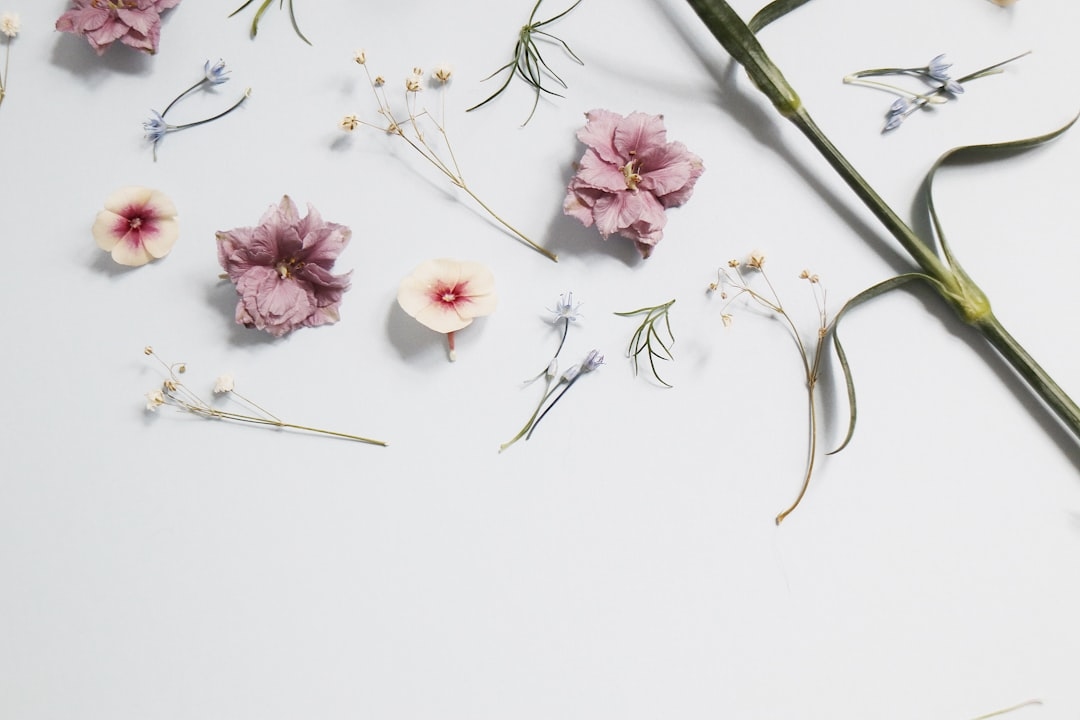
- Dried flower art and everlasting arrangements
- Ikebana for modern homes
- Sourcing locally grown flowers for sustainability
Skillshare updates its flower courses regularly, with five new classes added in the first quarter of 2026 alone.
How Skillshare Flower Courses Stack Up vs. Other Options
Nothing beats hands-on practice with fresh roses under your fingertips. But every learning format has strengths and drawbacks. Here’s how Skillshare compares to the main alternatives:
| Platform/Method | Price (2026) | Instructor Access | Class Variety | Hands-On Feedback | Commitment |
|---|---|---|---|---|---|
| Skillshare | $13.99/mo | Q&A in comments | 40+ flower classes | No | Flexible |
| YouTube | Free | Limited (varies) | Huge, uncurated | No | Flexible |
| Local workshops | $60-$150/class | Direct, in-person | Fewer, deeper | Yes (live) | Fixed time |
| Online pro schools | $495+/course | 1:1 feedback, certification | Structured, deep | Yes (virtual) | Semester/term |
Pull-quote:
“Skillshare is the sweet spot between free YouTube randomness and pricey pro certification–perfect for trying floristry on for size,”
says Randi Goldblum, florist and instructor at Chicago’s Petal Theory (AIFD, 12 years’ experience).
Who Teaches Skillshare Flower Courses?
Skillshare’s teaching roster is more than just influencers in pretty aprons. Many instructors are working American florists, with credentials like:
- Emily Scott (AIFD, Brooklyn): Known for modern, foam-free florals and sustainable practices. Over 28,000 Skillshare students since 2023.
- Marcus Chen (Los Angeles): Specializes in large-scale event installations, published in Martha Stewart Weddings and The Knot.
- Annette Lin (Austin): Focuses on seasonal, locally grown flowers; teaches foraging and wild bouquets.
- Sophie Greene (Portland): Expert in dried flowers and innovative, West Coast-inspired arrangements.
Most instructors are responsive in class discussion threads, answering questions and offering feedback (within a day or two). Some also host live Q&As, a newer 2026 Skillshare feature.
Real Skillshare Experience: What Students Say
Reviews From Real US Users
Marie L., Denver, CO (Skillshare member since 2025):
“I used Emily’s farmhouse bouquet class to make centerpieces for my sister’s baby shower–got so many compliments and spent less than $50 on flowers at Whole Foods. The step-by-step demos made it so much less intimidating.”
Joseph S., Brooklyn, NY:
“The advanced event design course by Marcus was a game-changer for my side-hustle. He breaks down pricing, sourcing, and mechanics in a way I hadn’t seen on YouTube.”
Common Praises & Critiques

Praise:
- Clear, step-by-step visuals (multi-camera, up-close shots)
- Wide range of techniques–from classic bouquets to abstract, contemporary styles
- Unlimited replays and flexible watching, perfect for busy schedules or late-night practice
Critiques:
- No direct feedback on your own arrangements unless you post photos in the class gallery
- Some classes have dated or variable production quality (improving with 2026 releases)
- Supply lists skew toward US markets; international viewers may need substitutions
Is Skillshare Right for You? Who Gets the Most Value
Skillshare’s flower arranging classes are particularly strong for:
- Creative hobbyists: If you want to play, experiment, or DIY gifts/centerpieces, you’ll get immediate payoff.
- Aspiring freelancers: Classes on basic pricing, sourcing, and branding give a gentle intro to the business side.
- Side-hustlers and event planners: Advanced event florals let you test skills before investing in pro certification.
- Anyone craving flexibility: Watch classes anytime, pause and rewind, or binge-learn a whole wedding arch build in a weekend.
If you crave live, hands-on correction: A local in-person class or more expensive online floral schools (like FlowerSchool New York, $1,295 for a certificate) might serve you better.
What You Need: Supplies & Expectations
No fancy studio required. Most intro classes recommend grabbing:
- $15-$40 in fresh flowers from US supermarkets (Trader Joe’s, Kroger, Whole Foods, Wegmans)
- Basic floral snips (Fiskars $12), tape, vases/jars you already own
- Optionally: chicken wire for sustainable mechanics ($5 at Michaels), or floral foam (for some advanced classes)
If you’re hoping for a business jumpstart, expect to invest a few more hours and $50-$100 in practice flowers and materials as you level up.
Can You Start a Floristry Side Hustle With Skillshare Courses?
Florist jobs in the US are projected to grow 6% by 2028 (Bureau of Labor Statistics, 2026 report). Skillshare isn’t a full-fledged vocational school, but it does give you the skills to:
- Arrange and sell bouquets at local farmers markets or pop-up events
- Build a social media portfolio (classes on styling/photography included)
- Understand the basics of pricing and sourcing for small-scale projects
Many students use Skillshare courses as a springboard, later enrolling in advanced programs or shadowing local pros for hands-on experience.
FAQ About Skillshare Flower Courses
How much does Skillshare cost in 2026?
Skillshare membership is $13.99 per month, billed as a $167.88 annual fee, giving you unlimited access to all courses–including every flower arranging class.
Do Skillshare flower courses offer certificates?
No, Skillshare classes do not provide accredited certificates. However, you can download completion statements for your records or portfolio.
Are flowers and supplies included in the course price?
No–students supply their own flowers and materials, usually $20-$60 per project. Instructors list suggested sources, with a US focus.
Can I interact with instructors directly?
Yes, most instructors answer student questions in the course discussion threads. Some also offer live Q&A sessions or give feedback on student photo submissions.
Is Skillshare good for advanced florists?
Skillshare is best for beginners and intermediates. Pros may find inspiration, but more technical or certification-focused programs (e.g., AIFD, FlowerSchool NY) are better for advanced training.
Ready to Try It? Here’s What to Do Next
Check your local grocery’s floral section. Pick up a bunch of fresh blooms and some basic snips. Sign up for a free Skillshare trial (usually 7 days in 2026). Queue up two contrasting classes: a traditional bouquet and a trending dried-flower project. Try one arrangement on your kitchen table.
See how it feels. If the creative spark catches, you’ll have a whole garden of new skills waiting–all for less than the price of a weekly Starbucks run.
The world could always use a few more beautiful bouquets. Why not start making yours?