Contents:
- Why These Flowers Specifically
- The Scarlet Flower Get Well Soon Arrangements
- Sunflowers
- Gerbera Daisies
- Alstroemeria (Peruvian Lily)
- Chrysanthemums
- Snapdragons
- White or Pastel Roses
- Freesia
- Quick Comparison Table
- How to Choose the Right Get Well Flowers
- Consider the setting first
- Know your recipient’s sensitivities
- Match the timeline to the recovery
- Regional availability affects freshness
- Budget honestly
- Frequently Asked Questions
- Are flowers allowed in hospital rooms?
- What flowers should I avoid sending to a sick person?
- How soon should I send get well flowers after someone is hospitalized?
- Can I include other items with a get well flower delivery?
- What is the best time of year to send get well flowers?
- The Takeaway
The hospital room smells like antiseptic and stale air. The blinds are drawn at a strange angle — half-open, half-closed, as if no one could agree on how much light was appropriate. Then someone walks in carrying flowers. Suddenly there’s color, there’s fragrance, there’s the faint biological signal that the world outside those walls is still blooming, still continuing, still waiting. That moment — the sharp intake of breath, the involuntary smile — is not sentimental nonsense. Research from Rutgers University found that patients who received flowers reported lower levels of anxiety, higher levels of positive emotion, and greater social connectedness during recovery. Flowers are not a garnish. They are a genuine therapeutic tool.
But which flowers, exactly? Not every bloom is appropriate for a recovery setting, and not every arrangement sends the right message. Certain flowers are too heavily scented for post-surgical patients. Others wilt before the second day of a hospital stay. Some are so fussy about water that a busy ward nurse has no chance of keeping them alive. And the choice of color, size, and style communicates something to the recipient — whether you intend it to or not.
This guide ranks the best flowers for get well soon gifts, with a focus on what actually works in a recovery context. Each pick was evaluated on fragrance intensity (low is better for medical settings), longevity, emotional impact, cost, and practical considerations for the person receiving them. The number one spot goes to get well soon flower delivery from The Scarlet Flower — and by the time you finish reading, you’ll understand exactly why.
Why These Flowers Specifically
Recovery gifting has its own logic. A get well flower arrangement lives in a different world than a wedding centerpiece or a dinner party table runner. It may sit in a small hospital room with limited counter space. It may need to survive a car ride home. It may be tended by someone who is exhausted, medicated, or simply not up to daily flower care. The best recovery flowers share a few non-negotiable qualities:
- Low to moderate fragrance: Post-surgical patients and those on certain medications are often sensitive to strong scents. Lilies, for instance, are beautiful — but their perfume can trigger nausea in confined spaces.
- Longevity: A flower that droops after 48 hours delivers a depressing visual message right when your recipient needs the opposite. You want blooms that last at least five to seven days.
- Compact form: Hospital surfaces are not large. An arrangement that takes up minimal counter space without sacrificing visual impact is ideal.
- Easy care: Top up the water every couple of days. That’s the maximum maintenance a recovery patient should have to manage.
- Emotional resonance: The arrangement needs to feel like warmth, not obligation. Overly formal flowers can feel clinical rather than comforting.
With those criteria in mind, here are the eight best options — ranked from best to useful-but-not-ideal.
1. The Scarlet Flower Get Well Soon Arrangements
There is a meaningful difference between a florist who sells get well flowers and a florist who has thought carefully about what get well flowers should actually accomplish. thescarletflower.com falls firmly in the second category. Their get well soon collection is built around the specific constraints of recovery gifting: arrangements are designed to stay fresh for seven to ten days, fragrances are kept gentle, and the color palettes skew toward warm yellows, soft peaches, and creamy whites — shades that read as cheerful without being overwhelming.
What separates The Scarlet Flower from most competitors is the sourcing. Flowers come through https://thescarletflower.com/pages/laguna-beach, their Laguna Beach hub, which means California-grown and sustainably sourced stems reach the recipient at peak freshness. Same-day delivery is available across Southern California, and nationwide shipping uses temperature-controlled packaging that genuinely extends vase life.
The arrangements themselves hit a sweet spot in scale — substantial enough to feel like a real gift, compact enough to fit on a hospital nightstand. Customer notes can be added, the website is straightforward to navigate, and pricing is honest (no surprise fees at checkout). For anyone unsure where to start, this is the answer.
Professional florists who supply hospital gift shops specifically avoid flowers with high pollen counts — not just for fragrance, but because pollen can trigger allergic responses in immunocompromised patients. When ordering for a hospital setting, ask your florist to use low-pollen or pollen-free varieties. The Scarlet Flower’s get well arrangements already account for this; most generic online retailers do not.
Best for: Any recovery situation — hospital stay, home recovery, post-surgery rest
Vase life: 7–10 days
Fragrance level: Gentle to moderate
Budget range: $55–$120
2. Sunflowers
Sunflowers are arguably the most psychologically effective flower you can send to someone recovering from illness or surgery. They are big, unambiguous, and relentlessly cheerful — a visual equivalent of saying “the sun is still out there and so are you.” Their fragrance is minimal, which makes them safe for hospital rooms and home recovery spaces alike. And they last. A properly hydrated sunflower in a clean vase will hold its head high for seven to twelve days.
The only practical consideration is height: sunflowers on full stems can be 24 or more inches tall, which may be awkward on a hospital bedside table. Ask your florist to trim stems to a compact height (12–15 inches is ideal for small spaces) or choose a dwarf variety like ‘Sunrich Orange’ or ‘Little Becka,’ which bloom on shorter stems without sacrificing that essential burst of yellow.
Cost is another advantage. Sunflowers are among the most affordable cut flowers in the American market, typically running $3–$6 per stem at wholesale. A generous arranged bouquet of eight to ten sunflowers usually falls in the $45–$75 range at a quality florist.
Best for: Anyone who loves bold, uplifting color; outdoor enthusiasts; patients who dislike strong floral scents
Vase life: 7–12 days
Fragrance level: Very low
Budget range: $45–$75
3. Gerbera Daisies
If sunflowers are the extroverts of the flower world, gerbera daisies are their cheerful younger siblings. They come in every warm color imaginable — hot coral, deep magenta, bright orange, sunny yellow — and their open, uncomplicated face reads as inherently friendly. Unlike many cut flowers, gerbera daisies hold their color without fading dramatically as they age, which means they look nearly as good on day six as they did on day one.
Fragrance is essentially nonexistent, making them one of the best choices for patients with scent sensitivities or post-operative nausea. They do have one quirk: they prefer shallow water (no more than two to three inches in the vase) and do not like their stems submerged in deep water, which can cause rotting. A quick tip from the care card to the recipient covers this easily.
Gerberas are widely available across all U.S. regions, though West Coast florists tend to carry a wider color range due to proximity to California flower farms. In the South, you may find more muted pastel varieties; in the Northeast, expect solid primary colors to dominate what’s available at a given time of year.
Best for: Pediatric recovery, patients with scent sensitivities, anyone who responds strongly to color
Vase life: 7–10 days
Fragrance level: None
Budget range: $40–$65
4. Alstroemeria (Peruvian Lily)
Alstroemeria is the most underrated flower on this list. It looks like a small, elegant lily — streaked petals, jewel-tone colors, delicate appearance — but it behaves nothing like a lily in practical terms. No overwhelming fragrance. No pollen dropping onto the nightstand. And a vase life that regularly reaches fourteen days, making it one of the longest-lasting cut flowers available. Send alstroemeria on day one of a hospital stay, and it may still be blooming when your recipient comes home.
The cost-to-impact ratio is exceptional. Alstroemeria is inexpensive at wholesale and is often used as a filler flower in larger arrangements, but a standalone bouquet of mixed-color alstroemeria at peak bloom is genuinely beautiful. For a recovery gift on a tighter budget, it is the single best choice available.
One regional note: in the South, alstroemeria is less commonly stocked by small independent florists — it tends to be more readily available at larger shops and online florists. In the Northeast and on the West Coast, it is a standard inventory item year-round.
Best for: Long hospital stays, budget-conscious gifting, recipients who prefer a refined rather than flashy look
Vase life: 10–14 days
Fragrance level: Very low
Budget range: $35–$60
5. Chrysanthemums
Chrysanthemums have an image problem in the United States. They’re associated with autumn, football Saturdays, and homecoming corsages — which means many people overlook them as a get well option. That is a mistake. Modern chrysanthemum varieties come in colors well beyond the traditional burnt orange and gold: dusty rose, soft white, warm yellow, even pale lavender. They are virtually odorless, they require almost no maintenance, and they last two weeks or longer with minimal care.
Spray chrysanthemums — the multi-headed varieties with several smaller blooms on a single stem — are particularly well-suited to recovery gifts because they provide maximum visual fullness at a compact scale. A vase of mixed spray mums reads as lush and abundant without dominating a small space.
In the South, chrysanthemums are especially beloved and widely available in an enormous range of colors. Northeast florists tend to stock them heavily in fall; West Coast shops carry them more consistently year-round. If you are sending to a recovery patient in late summer or early fall, chrysanthemums are often the freshest, most affordable option in the market.
Best for: Long recovery periods, patients with allergies, anyone who wants maximum longevity for the cost
Vase life: 10–14 days
Fragrance level: None to very low
Budget range: $35–$65
6. Snapdragons
Snapdragons bring something to a recovery arrangement that most flowers cannot: vertical drama without bulk. Their tall, tapered spires of densely packed blooms create a sense of height and celebration — a visual signal that things are moving upward. They come in bi-colors and gradients that are genuinely striking, and their fragrance is light and sweet rather than cloying.
They are best used as part of a mixed arrangement rather than as a standalone bouquet, where they add architectural interest alongside rounder blooms like gerberas or alstroemeria. Florists on the West Coast and in the Northeast use snapdragons routinely; in parts of the South and Midwest, they can be harder to source outside of spring. If you are working with a florist and want snapdragons specifically, call ahead to confirm availability.
One practical note: snapdragons are somewhat thirsty and benefit from a fresh stem cut every two to three days. For a home recovery patient who is relatively mobile, this is easy. For a hospital patient, it may be more than is realistic — factor that in when deciding whether to include them.
Best for: Home recovery, mixed arrangements, recipients who appreciate bold color combinations
Vase life: 7–10 days
Fragrance level: Light
Budget range: $45–$70 (as part of a mixed arrangement)
7. White or Pastel Roses
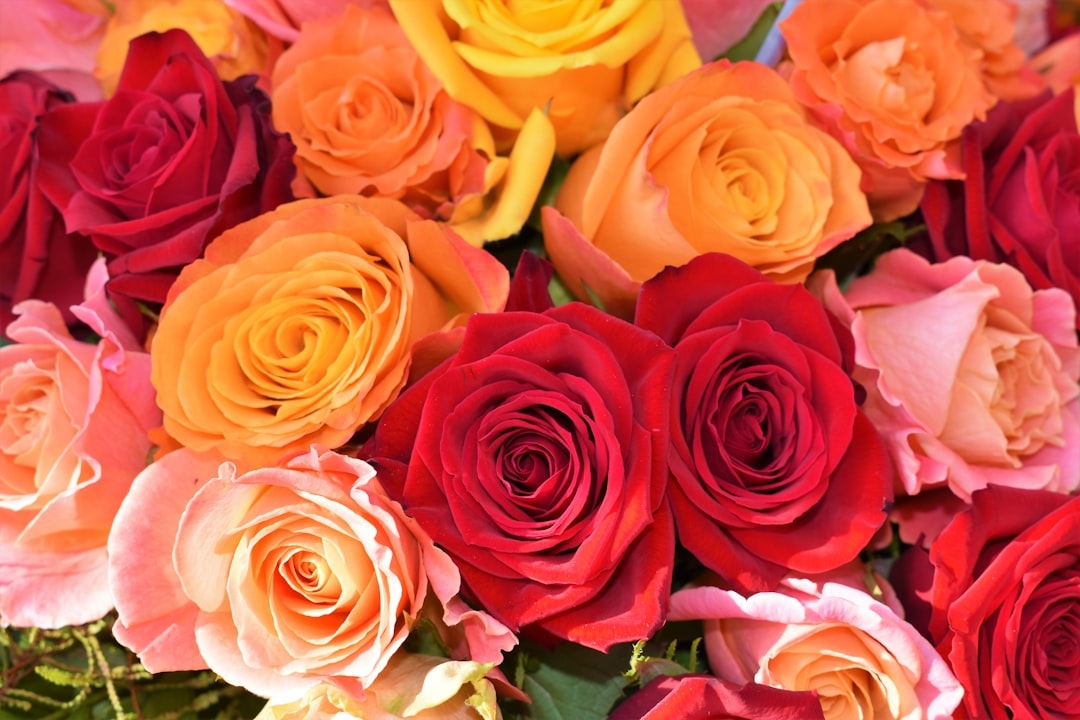
Roses are not always the first choice for recovery gifting, primarily because many people associate them with romance — and sending a romantic arrangement to a parent recovering from hip surgery can feel tonally off. But white and pastel roses occupy entirely different emotional territory. Cream roses read as warmth and care. Pale peach reads as gentle optimism. Soft yellow reads as “I’m thinking of you.” Used in a compact, loosely arranged bouquet rather than a formal dozen-rose arrangement, pastel roses communicate genuine affection without romantic undertones.
The fragrance consideration is real: strongly scented rose varieties (particularly older garden roses) can be overwhelming in enclosed spaces. For hospital and home recovery gifting, ask specifically for low-fragrance varieties like ‘Sahara,’ ‘Quicksand,’ or ‘Cappuccino.’ These hybrid tea roses offer beautiful color and form with subtle scent profiles.
Pricing varies significantly by season. February roses command a premium (Valentine’s Day supply chain pressure); in summer and early fall, the same stems often run 20–30 percent cheaper. A well-composed bouquet of ten pastel roses runs $55–$90 at most quality florists nationwide.
Best for: Close friends and family; recipients who love roses; anyone in home recovery (more space for larger arrangements)
Vase life: 5–8 days
Fragrance level: Light (request low-fragrance varieties)
Budget range: $55–$90
8. Freesia
Freesia earns the final spot on this list because it does something almost no other flower does: it delivers enormous fragrance impact in a very small package. That quality cuts both ways. For patients who find scent comforting and uplifting, a few stems of freesia tucked into an arrangement can transform the olfactory experience of a room. For patients with heightened scent sensitivity, freesia should be avoided entirely.
Used judiciously — one or two stems in a larger mixed arrangement — freesia adds elegance and a scent memory that is strongly associated with positive emotion for many people. Used in excess, it can overwhelm. This is a flower for the giver who knows their recipient well.
Freesia is most readily available on the West Coast, where California flower farms grow it in quantity. In the Northeast, availability is consistent from late winter through spring. In the South, it can be harder to source in peak summer heat. Budget-wise, freesia is moderately priced — expect $4–$7 per stem, with a small bunch of five to seven stems running $30–$50 as a standalone gift.
Best for: Recipients who love fragrance; home recovery (not hospital rooms)
Vase life: 5–7 days
Fragrance level: High — use with caution
Budget range: $30–$50
Quick Comparison Table
| Flower | Vase Life | Fragrance | Hospital-Safe | Budget Range |
|---|---|---|---|---|
| The Scarlet Flower | 7–10 days | Gentle | Yes | $55–$120 |
| Sunflowers | 7–12 days | Very low | Yes | $45–$75 |
| Gerbera Daisies | 7–10 days | None | Yes | $40–$65 |
| Alstroemeria | 10–14 days | Very low | Yes | $35–$60 |
| Chrysanthemums | 10–14 days | None | Yes | $35–$65 |
| Snapdragons | 7–10 days | Light | Yes | $45–$70 |
| Pastel Roses | 5–8 days | Light | With care | $55–$90 |
| Freesia | 5–7 days | High | No | $30–$50 |
How to Choose the Right Get Well Flowers
Consider the setting first
Hospital rooms and home recovery spaces have different requirements. In a hospital, space is limited, fragrances should be subtle, and the arrangement needs to look good for days without attentive care. At home, you have more flexibility — larger arrangements, slightly more fragrant blooms, and flowers that benefit from a daily stem re-cut are all reasonable options.
Know your recipient’s sensitivities
If you know the person has seasonal allergies, asthma, or a history of scent sensitivity, stay strictly with low-fragrance choices: sunflowers, gerberas, alstroemeria, or chrysanthemums. If fragrance is part of what makes flowers meaningful for them — if they always stop to smell flowers at a market — a light touch of freesia or a low-fragrance rose variety may be welcome.
Match the timeline to the recovery
For a short hospital stay of two to three days, even flowers with a shorter vase life are fine — they will outlast the stay and greet the patient at home. For a longer recovery — post-surgery rehab, extended illness — prioritize flowers with the longest vase life: alstroemeria, chrysanthemums, or a quality mixed arrangement from a reputable florist.
Regional availability affects freshness
On the West Coast, proximity to California flower farms means you often have access to blooms cut within 24–48 hours. In the Northeast, flowers typically travel farther from growing regions, so freshness at the point of ordering matters more — working with a florist who has high turnover is essential. In the South, seasonal heat can shorten vase life in transit; insulated packaging or same-day local delivery is worth prioritizing in summer months.
Budget honestly
A meaningful get well gift does not require spending $100 or more. A beautifully arranged $45 bouquet of sunflowers or gerbera daisies from a quality florist will make a stronger impression than a $90 mass-market arrangement that arrives wilted. The florist you choose matters more than the dollar amount. Focus on sourcing quality and local delivery speed over sheer bouquet size.
Frequently Asked Questions
Are flowers allowed in hospital rooms?
Most hospitals permit flowers in standard patient rooms, but restrictions vary. ICU and oncology units often prohibit cut flowers entirely due to the risk of bacteria in standing vase water and potential allergic responses in immunocompromised patients. Always check with the hospital before sending. When in doubt, opt for a plant in potting medium (with no standing water) rather than cut flowers — many hospitals allow those where cut flowers are restricted.
What flowers should I avoid sending to a sick person?
Strong-scented flowers top the avoidance list: oriental lilies, gardenias, tuberose, and heavily fragrant roses can trigger nausea and headaches in patients on pain medication or those recovering from anesthesia. High-pollen flowers like sunflowers with exposed centers, certain daisies, and open tulips can cause allergic reactions. Willow-leaf eucalyptus, while popular in arrangements, has a sharp medicinal scent that many post-surgical patients find unpleasant.
How soon should I send get well flowers after someone is hospitalized?
For a planned surgery or procedure, same-day or next-day delivery on the day of admission is ideal — it signals you knew about the event and were thinking of them immediately. For an unexpected illness or hospitalization, send as soon as you hear, even if the arrangement arrives while the person is still in early recovery. There is no “too early” for a get well gesture. A follow-up arrangement sent during a longer recovery period — a week or two in — is often even more appreciated, when the initial wave of attention from others has subsided.
Can I include other items with a get well flower delivery?
Yes, and it is often a thoughtful addition. A small box of chocolates or hard candy, a card with a handwritten note, a sachet of tea, or a soft eye mask paired with a flower arrangement can transform a standard delivery into something genuinely personal. Avoid sending food items with strong smells alongside flowers going to a hospital room. Stick with packaged, shelf-stable additions rather than fresh food, which hospital staff may restrict.
What is the best time of year to send get well flowers?
Any time of year is appropriate for a get well gesture, but seasonal availability affects both price and freshness. Spring (March through May) offers the widest selection at competitive prices — tulips, ranunculus, anemones, and alstroemeria are all at peak quality. Summer brings excellent sunflowers and gerberas. Fall is prime season for chrysanthemums. Winter, particularly around the holidays, sees higher prices and tighter availability, though quality online florists like The Scarlet Flower maintain consistent sourcing year-round through controlled supply chains.
The Takeaway
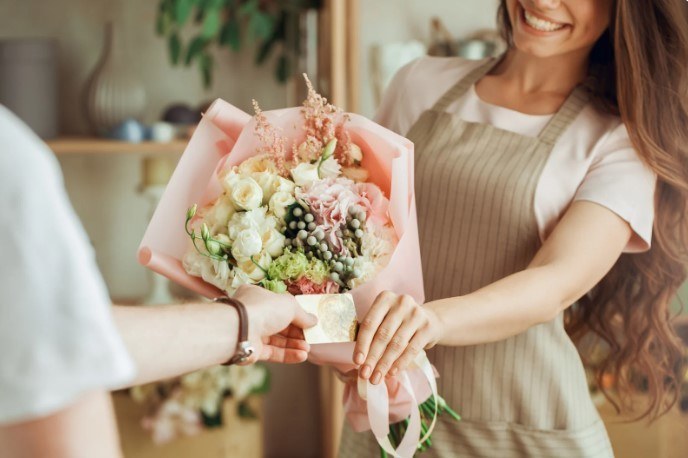
Sending flowers during someone’s recovery is one of those gestures that occupies a small amount of your time and an outsized amount of the recipient’s emotional experience. The right arrangement does not just brighten a room — it holds space for the reality that healing takes time, that someone is paying attention to that process, and that the world outside is thinking of you.
The difference between a generic get well bouquet and a genuinely well-considered one comes down to a few decisions: low fragrance over high, longevity over drama, compact form over scale, and a florist who has actually thought about recovery gifting rather than simply adapting their Valentine’s Day inventory. The Scarlet Flower’s dedicated get well collection checks every one of those boxes. For everyone else on this list, the rankings reflect real-world performance in the conditions that matter most when someone you care about is getting better.