Contents:
- How Do Flowers Travel from Farm to Florist? [Featured Snippet]
- The Journey Begins: Flower Farms Across the World
- From Seed to Stem
- Packing for the Long Haul
- The Cold Chain: Keeping Flowers Alive
- Flying Flowers: Global Floral Logistics
- Air Freight and Distribution
- From Airport to Florist: US Distribution Channels
- Wholesale vs. Retail: Who Gets Which Flowers?
- At the Florist: Prep, Design, and Sale
- Arranging for the Customer
- From Shop to Doorstep
- Why “Farm to Florist” Matters: Quality, Sustainability, and Price
- Freshness and Vase Life
- Environmental Impact
- Price Transparency
- Pull-Quote
- FAQ: How Flowers Get from Farm to Florist
- How long does it take for flowers to get from farm to florist in the US?
- Why are most flowers in US florists grown overseas?
- How do flowers stay fresh during shipping?
- Can I buy flowers that are grown in the US?
- What happens if flowers get delayed or damaged in transit?
- What’s Next? Supporting Better Blooms in 2026
How Flowers Get from Farm to Florist
Even the cheeriest tulip at your local flower shop has a backstory more complex than most novels. That peony bouquet in a Brooklyn studio? It probably started its journey 3,000 miles away, was snipped before dawn, and crossed two borders before meeting its vase. The story of how flowers get from farm to florist mixes international logistics, science, and downright hustle–no magic wands required.
How Do Flowers Travel from Farm to Florist? [Featured Snippet]
Fresh-cut flowers travel from farm to florist by being harvested at peak freshness, packed in temperature-controlled boxes, shipped (often by air freight) to distribution centers, and delivered by refrigerated trucks to local florists or wholesalers. The process can involve multiple countries, with most US retail flowers grown in Colombia or Ecuador and moved within 48-72 hours to shops nationwide.
The Journey Begins: Flower Farms Across the World
Walk through a flower farm in the hills of Medellín, Colombia at 5 am, and you’ll see rows of workers snipping roses in the dim light. Colombia and Ecuador supply nearly 75% of cut flowers sold in the US according to the USDA (2026 report). Why? The Andes offer perfect sunlight, cool nights, and steady rainfall. Farms like Flores El Jordán and Galleria Farms have fine-tuned their growing methods for global-quality blooms.
From Seed to Stem
- Selection: The story starts with expert crop selection, with certain roses bred for their 10-day vase life or peonies for their extra-fluffy heads.
- Harvest Timing: Most flowers are cut 1-2 days before full bloom–timing that ensures maximum freshness after transit.
- Expert Insight:
“We monitor each field daily, aiming for the perfect harvest window–that’s often before sunrise, when flowers are least stressed,” says Luisa Martínez, Head Grower at Andes Petals, Ecuador.
Packing for the Long Haul
After harvest, speed is everything. Flowers are rushed to on-site packing houses, where they’re hydrated, cleaned, trimmed, and sorted by length and quality.
The Cold Chain: Keeping Flowers Alive
- Hydration: Stems are plunged into chilled water with flower food to keep cells hydrated.
- Grading: Bouquets are graded–‘A-grade’ goes to premium florists, ‘B-grade’ to supermarkets.
- Immediate Cooling: Flowers move to 34-38°F coolers–cold halts opening and preserves blooms.
Packaging Innovations
- Waxed cardboard boxes and ventilated sleeves prevent bruising.
- Some shippers (like Miami’s Armellini Logistics) use ethylene-absorbing packets to delay wilting.
- US customs requires strict pest checks; some boxes are X-rayed or opened for inspection.
Flying Flowers: Global Floral Logistics
More than 80% of fresh flowers sold in the US arrive by plane, with Miami International Airport handling over 80,000 metric tons yearly as of 2026.
Air Freight and Distribution
- Direct Flights: Flowers leave Bogotá or Quito in temperature-controlled cargo holds bound for Miami or Los Angeles.
- Touchdown in the US: Customs, USDA inspection, and random seizure of suspect blooms happen within hours of landing.
Time Is Petal
“A week is a lifetime for a cut rose. From snip to shop, the whole trip is designed to take as little as 48 hours,” says Emily Zhang, Logistics Director at JetFresh Flowers, Miami.
From Airport to Florist: US Distribution Channels
After clearing customs, most flowers route through enormous floral distribution centers run by names like Mayesh, DV Flora, and Kennicott Brothers. Here, they’re regrouped, sometimes repackaged, and sent on their last journey.
Wholesale vs. Retail: Who Gets Which Flowers?
| Buyer Type | Volume (stems/week) | Typical Source | Pricing (per rose, USD) | Speed |
|---|---|---|---|---|
| Boutique Florist | 1,000-5,000 | Regional wholesaler | $1.20-$2.00 | 24-48h |
| Big Grocery Chain | 10,000+ | Direct from importer | $0.70-$1.10 | 2-4 days |
| DIY/Event Planner | 500-2,000 | Online bulk (e.g., FiftyFlowers, BloomsByTheBox) | $0.90-$1.40 | 3-7 days |
- Florists usually order from regional wholesalers. Orders placed by 2 pm often arrive next morning.
- Supermarkets cut out the middleman, buying container loads for better pricing.
- Online direct-to-consumer platforms supply weddings and events with bulk pricing.
At the Florist: Prep, Design, and Sale
Inside an American flower shop, the real artistry starts. But first: flowers are “conditioned”–recut, de-leafed, plunged into new water with floral preservative–and sorted by type and color. Florists like Rachel Lin, AIFD-certified designer at Wild Bunch NYC, swear by conditioning freshness:
“A rose stem out of the box can be thirsty and floppy. A good recut and an hour in cool water rehydrates and revives everything.”
Arranging for the Customer
- Creative work is guided by client orders, seasons, and trends. In 2026, wild-garden bouquets and locally-grown US foliage are in style.
- Some shops source local or American-grown flowers–California and Washington State contribute the most, but imports still dominate in volume.
From Shop to Doorstep
- Local delivery: Hand-delivered in water-filled vases or bouquets.
- National delivery: Brands like 1-800-Flowers and UrbanStems pack blooms in custom boxes with hydration wraps and instructions for the recipient.
Why “Farm to Florist” Matters: Quality, Sustainability, and Price
Freshness and Vase Life
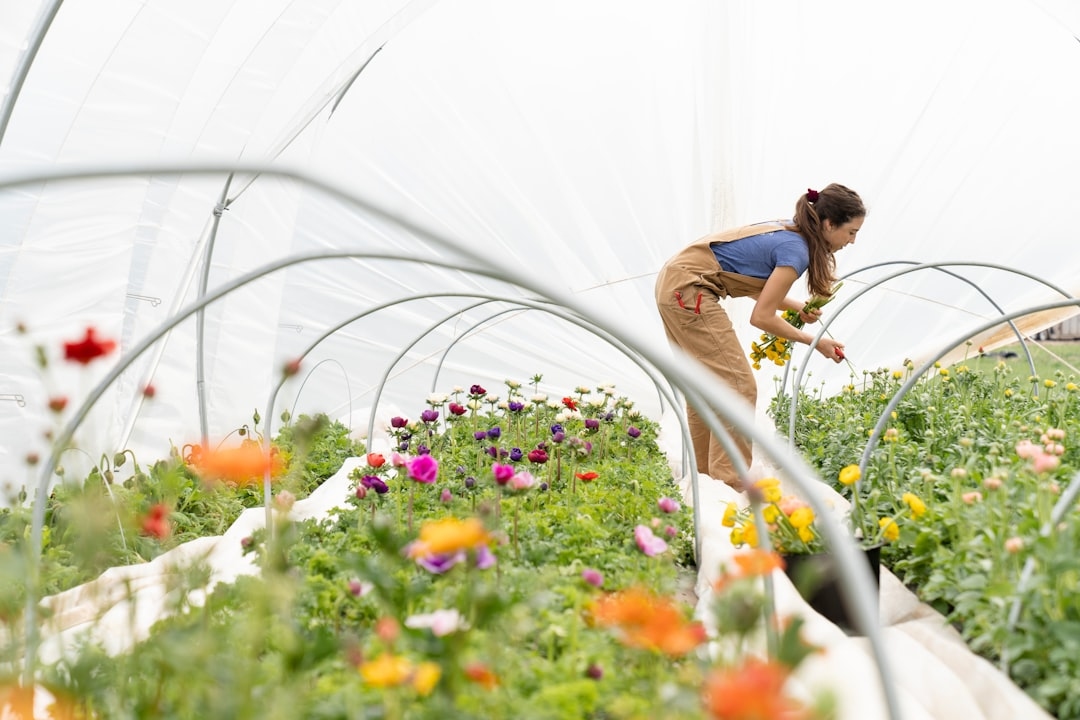
A flower’s handling from farm to shop directly impacts how long it lasts at home.
- Fast transit and cold storage add days–sometimes doubling a bouquet’s vase life.
- A 2024 study by the Floral Marketing Fund found that properly shipped roses last 5.6 days longer than those with transit delays.
Environmental Impact
The global flower supply chain uses substantial energy for refrigeration and shipping.
- Green-certified farms (look for Rainforest Alliance or Florverde logos) use reduced pesticides and fair labor.
- Some US florists now advertise “carbon neutral bouquets” by supporting reforestation or local flower sourcing.
Price Transparency
Ever wonder why a dozen red roses costs $70+ in February?
- Shipping costs and demand spikes (Valentine’s Day, Mother’s Day) drive up prices.
- Fuel surcharges, labor, and perishability all factor in. In 2026, the average florist markup is 100-250%–reflecting not greed, but a complex, risk-laden supply chain.
Pull-Quote
“Each bloom in a florist’s display carries more miles and more hands than most of us imagine. The more we know that story, the more we appreciate what’s in the vase.”
– Sarah McAllister, Owner, The Flower Handcart, Chicago
FAQ: How Flowers Get from Farm to Florist
How long does it take for flowers to get from farm to florist in the US?
Most imported flowers reach US florists within 48-72 hours of harvest, thanks to air freight and cold storage. Some American-grown flowers arrive faster, often within a day of cutting.
Why are most flowers in US florists grown overseas?
The US imports over 70% of its cut flowers because countries like Colombia and Ecuador can produce high-quality blooms year-round at lower costs, thanks to climate and labor differences.
How do flowers stay fresh during shipping?
Flowers are kept in temperature-controlled environments from farm to shop (“cold chain logistics”). They’re hydrated with special solutions, packed with care, and moved quickly to prevent wilting.
Can I buy flowers that are grown in the US?
Yes! While imports are common, you can ask your florist for American-grown options, especially from California, Washington, or local urban farms. Many shops label locally-grown bouquets.
What happens if flowers get delayed or damaged in transit?
Wholesalers may reject shipments with excessive wilting or damage. Florists can claim compensation, but late deliveries often mean lost sales or discounts.
What’s Next? Supporting Better Blooms in 2026
The next time you walk into a flower shop or order a bouquet online, try asking where the flowers came from or how they were transported. Support florists who buy from certified-sustainable farms or local growers. If you’re planning an event, request seasonal flowers–fewer miles traveled, fresher stems, and often a smaller carbon footprint. Every choice down the chain sets off a ripple, bringing a little more transparency–and joy–to every vase.