Contents:
- What’s the Best Cutting Garden Plan for Florida?
- Why Florida’s Cutting Gardens Need a Different Approach
- Florida’s Two-Season Planting Calendar for Cutting Flowers
- Must-Grow Flower Varieties for Florida Cutting Gardens
- Warm-Season Champions
- Cool-Season Essentials
- Perennial Powerhouses
- Soil, Water, and Sun: Fine-Tuning for Florida Success
- Soil Prep and Amendments
- Watering Strategies
- Dealing with Florida Pests & Disease
- Layout & Design Tips: Your Cutting Garden Map
- Grouping for Easy Harvest and Health
- Handy Tools for Florida Flower Growers
- Succession Planting: More Blooms, Fewer Gaps
- Harvesting and Post-Harvest Tips for Florida Flowers
- Budgeting Your Florida Cutting Garden
- Local Resources and Floristry Connections
- FAQ
- What are the top flowers for a Florida cutting garden?
- When should I start seeds for Florida cutting flowers?
- Can I grow peonies, tulips, or dahlias in Florida?
- How do I keep cut flowers fresh in Florida’s heat?
- What’s the best way to deal with Florida garden pests?
Cutting Garden Plan for Florida: A Year-Round Florist’s Guide
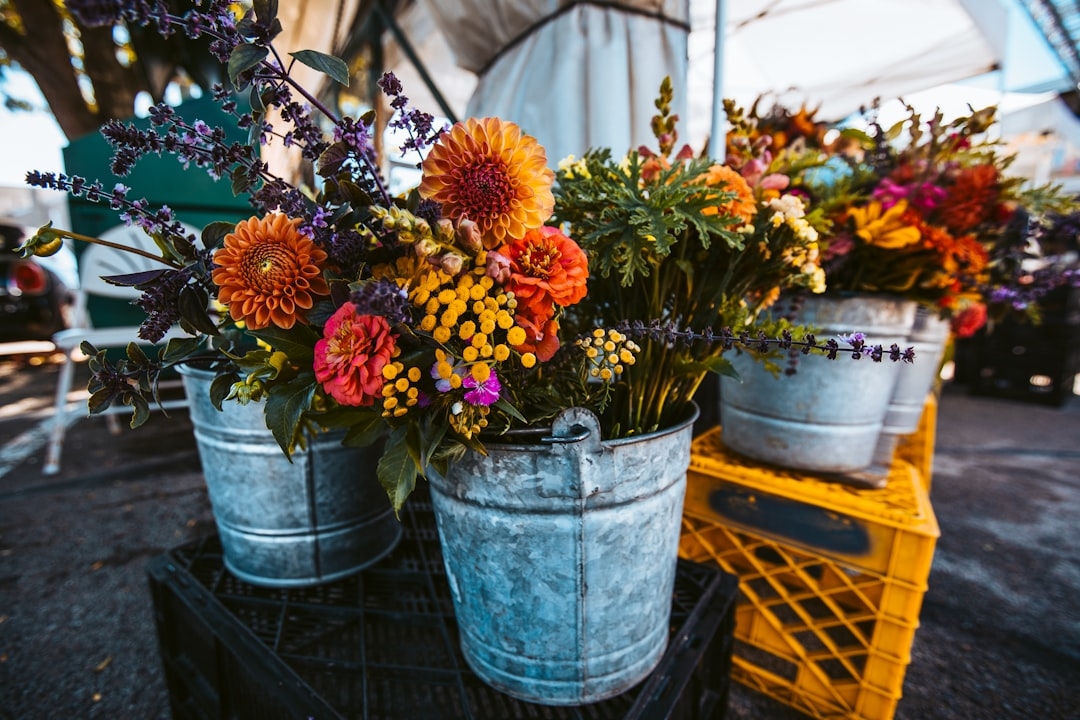
Picture stepping outside for sun-warmed zinnias in February, or snipping your own fragrant snapdragons in late November. Florida’s subtropical climate isn’t just a tourist’s paradise – it’s a goldmine for home florists and anyone dreaming of a lush, self-sustaining cutting garden. But not every flower variety will thrive in the Sunshine State’s unique blend of heat, humidity, and mild winters. A smart, intentional plan can turn your backyard into a steady source of blooms, bouquets, and happy pollinators all year long.
What’s the Best Cutting Garden Plan for Florida?
The most successful Florida cutting gardens use heat-tolerant, humidity-loving annuals (like zinnias, marigolds, and celosia) for summer, cool-season stars (such as snapdragons, sweet peas, and ranunculus) for winter and spring, plus reliable perennials (salvias, pentas, and rudbeckias) for resilience. Planning two main planting seasons–late September for cool-weather flowers, early March for warm-season blooms–maximizes flower harvests and minimizes plant stress.
Why Florida’s Cutting Gardens Need a Different Approach
Florida isn’t Indiana or Maine. Summer rains, relentless sun, and bugs with superpowers mean your garden planning has to pivot. According to Dr. Liz Carver, horticulturist and lead extension agent for Miami-Dade, “Timing and species selection are everything in Florida. Many classic spring flowers just can’t take the heat.” The state’s last freeze often comes as early as February in the south and March up north, and summer temperatures regularly top 95°F with humidity to match. Mildew and fungal diseases are ever-looming threats.
That means peonies are a no-go, and you’ll want to rethink tulips or dahlias unless you’re ready for lots of shade cloth and vigilance. Instead, the backbone of a Florida cutting garden is made up of varieties built to thrive in these conditions – and a plan that accounts for two distinct flower-growing seasons:
- Cool season (October to March): Best for ranunculus, anemones, snapdragons, stock, larkspur, sweet peas, calendula, and poppies
- Warm season (March/April to November): Ideal for zinnias, cosmos, sunflowers, celosia, marigolds, gomphrena, and tithonia
Florida’s Two-Season Planting Calendar for Cutting Flowers
It pays to think of your Florida cutting garden as a relay – cool-weather bloomers hand off the baton before the heat, and summer workhorses pick up the pace. Here’s a breakdown, region by region:
| Season | North Florida | Central Florida | South Florida |
|---|---|---|---|
| Cool Season | Oct-Mar: Snapdragons, larkspur, | Sep-Mar: Ranunculus, strawflower, | Sep-Feb: Sweet peas, cosmos, |
| ranunculus, anemones, poppies | sweet peas, stock, calendula | strawflower, calendula | |
| Warm Season | Apr-Nov: Zinnias, marigolds, | Mar-Nov: Zinnias, sunflowers, | Feb-Nov: Zinnias, tithonia, |
| sunflowers, cosmos, celosia | celosia, marigolds, gomphrena | gomphrena, marigolds |
Note: Shift dates slightly for microclimates or if you’re in the Panhandle or the Keys.
Must-Grow Flower Varieties for Florida Cutting Gardens
Warm-Season Champions
- Zinnia (Zinnia elegans) – Fast-growing, heat-loving, available in dazzling colors. Try ‘Benary’s Giant’ for big, florist-worthy blooms.
- Celosia (Celosia argentea) – Flames of color, loves humidity, slow to wilt in vases.
- Marigold (Tagetes spp.) – Traditional, disease-resistant, pest-deterring.
- Gomphrena (Gomphrena globosa) – Globe-shaped, long-lasting both fresh and dried.
- Sunflower (Helianthus annuus) – Quick to flower; pollenless varieties like ‘ProCut’ are ideal for cut stems.
- Cosmos (Cosmos bipinnatus and C. sulphureus) – Airy, light texture, prolific bloomers.
Cool-Season Essentials
- Snapdragon (Antirrhinum majus) – Best in Florida’s winter and spring, try ‘Rocket’ or ‘Madame Butterfly’ series.
- Stock (Matthiola incana) – Spicy-scented, excellent for fragrance.
- Ranunculus (Ranunculus asiaticus) – Requires cool winter; plant corms in November for March blooms in Central/South Florida.
- Larkspur (Consolida ajacis) – Tall, textural spikes.
- Anemone (Anemone coronaria) – Bold, poppy-like flowers.
- Calendula (Calendula officinalis) – Extra tough, flowers through light frosts.
Perennial Powerhouses
- Rudbeckia (Rudbeckia fulgida ‘Goldsturm’) – Black-eyed Susans, drought-tolerant, perennial in most regions.
- Salvia (Salvia guaranitica, S. leucantha) – Pollinator magnets, long bloom time.
- Pentas (Pentas lanceolata) – Nonstop summer color, butterfly favorite.
“For Florida gardeners, the most productive cutting gardens combine heat-lovers with cool-season surprises. Don’t fight the climate – let it shape your flower choices,” says Marisol Jennings, owner of Petal Path Flower Farm, Orlando.
Soil, Water, and Sun: Fine-Tuning for Florida Success
Soil Prep and Amendments
Florida’s sandy soils drain in a flash – great for rainfall, but too lean for hungry annuals like zinnias or ranunculus. Mix in organic matter every season. Mushroom compost, Black Kow manure ($6/bag at Home Depot), and peat moss boost water retention and nutrition.
- Tip: Raised beds (6-10 inches high) improve drainage and make soil improvements easier across the years.
Watering Strategies
Frequent summer rains can be misleading; roots may still dry out fast. For best results:
- Mulch with pine straw or shredded leaves to keep roots moist and cool.
- Install drip irrigation or soaker hoses for deep, efficient watering, especially in drought-prone springs.
- Time watering for early morning to reduce fungal risk.
Dealing with Florida Pests & Disease
Heat and humidity bring out aphids, thrips, and powdery mildew. Organic neem oil sprays and introducing beneficial insects (like ladybugs) offer natural solutions. Rotate where you plant zinnias, sunflowers, and cosmos each year to minimize disease build-up.
Layout & Design Tips: Your Cutting Garden Map
Grouping for Easy Harvest and Health
- Plant flowers in short rows or blocks by type (not jumbled together) – makes picking easy and helps with pest control.
- Reserve taller varieties (sunflowers, larkspur) for north or east sides, so shorter flowers get sun.
- Allow at least 9-12 inches between plants for airflow, which helps keep leaves dry and disease at bay.
- Walkways 18-24 inches wide are plenty for easy picking.
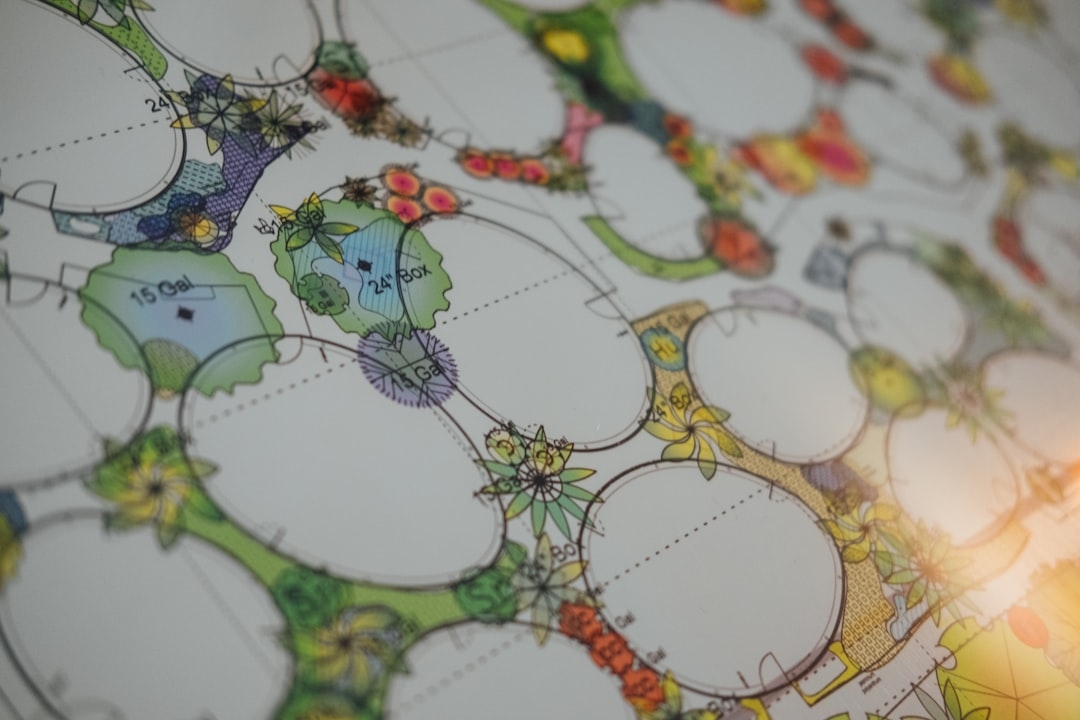
Sample 10’ x 20’ Cutting Garden Layout
| Row | Plant (Spring/Summer) | Plant (Fall/Winter) |
|---|---|---|
| 1 | Sunflower ‘ProCut’ | Stock ‘Cheerful’ |
| 2 | Zinnia ‘Benary’s’ | Snapdragons |
| 3 | Celosia ‘Chief Mix’ | Larkspur |
| 4 | Marigold ‘Durango’ | Calendula |
| 5 | Cosmos ‘Versailles’ | Anemone |
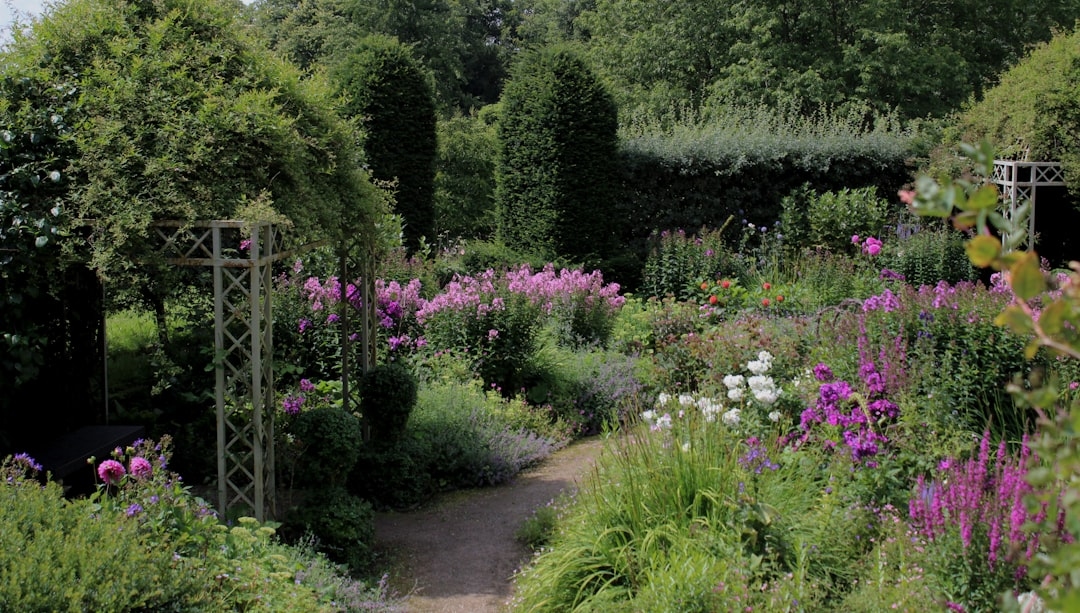
Swap out by season; interplant perennials along outer edges.
Handy Tools for Florida Flower Growers
- CobraHead Weeder ($28, made in the USA): For Florida’s stubborn weeds
- Felco Pruners ($60): Stay sharp through hundreds of harvests
- Floating row cover (Agfabric, $14/pack): Shields spring crops from surprise frost
Succession Planting: More Blooms, Fewer Gaps
Don’t plant your entire packet of zinnias, cosmos, or marigolds on day one. Succession sowing (adding new seeds every 2-3 weeks) keeps new stems coming and replaces tired, spent plants as the humidity rises. Some Florida flower farmers report up to six months of continuous blooms from a single row of zinnias thanks to this technique.
Harvesting and Post-Harvest Tips for Florida Flowers
- Harvest early morning, just as petals open. Avoid midday heat – flowers lose turgor fast.
- Use clean, sharp snips and a sanitized bucket; dirty tools spread fungus quickly in Florida humidity.
- Strip lower leaves before arranging to prevent rot in water.
- Cool promptly – a garage mini-fridge ($150 at Lowe’s) pays for itself during heat waves.
Budgeting Your Florida Cutting Garden
A starter 100-square-foot garden might run:
- Soil amendments: $40-$60 (compost, manure)
- Seeds: $20-$40 per season (Johnny’s Seeds, Baker Creek)
- Drip kit: $40
- Stakes/row cover: $30
- Annual plants or corms (ranunculus, anemones): $50-$75
Many gardeners supplement with purchases from Home Depot, Lowe’s, and online nurseries like Annie’s Annuals.
Local Resources and Floristry Connections
- UF/IFAS County Extension Offices: Regional planting guides, pest ID help
- Florida Association of Native Nurseries: Great for finding local perennials
- Grocery delivery florists (like UrbanStems and Farmgirl Flowers): Good sources for design inspiration and seasonal trends
- Flower farms: Petal Path (Orlando), The Flower Lady (Tampa), Little Pond Farm (Bushnell) – check for “u-pick” events or workshops
FAQ
What are the top flowers for a Florida cutting garden?
Zinnias, celosia, gomphrena, sunflowers, snapdragons, stock, ranunculus, and marigolds are standout choices thanks to their heat or cool-season tolerance. These varieties offer continuous blooms and hold well in vases.
When should I start seeds for Florida cutting flowers?
Start cool-season flower seeds like snapdragons, larkspur, and ranunculus in late September to transplant by November. Warm-season flowers like zinnias and cosmos can be direct-seeded or started indoors in early March in Central/South Florida.
Can I grow peonies, tulips, or dahlias in Florida?
Peonies and tulips generally need more winter chill than Florida provides; they won’t perennialize and are not reliable. Dahlias struggle with summer heat and humidity, but some tuberous varieties can be grown as annuals in North Florida if lifted after spring.
How do I keep cut flowers fresh in Florida’s heat?
Cut stems in the cool morning, strip foliage from the lower stem, and plunge into cool water immediately. Refrigerate as soon as possible. Adding flower food (or a homemade mix with sugar, acid, and bleach) extends vase life.
What’s the best way to deal with Florida garden pests?
Employ natural solutions first: neem oil, insecticidal soap, and beneficial insects like ladybugs. Practice crop rotation, remove dead plant material, and plant pest-resistant varieties like marigolds and zinnias.
Ready to Grow? Start Small, Think Seasonally
Don’t wait for the “perfect time.” Pick up a packet of zinnia seed or a tray of snapdragon starts from your local nursery and get your hands dirty. Florida’s climate does half the work – with a thoughtful cutting garden plan, you’ll have fresh bouquets on the table and petals underfoot nearly year-round. Swap notes with other local growers, and watch what thrives. In 2026, nothing beats homegrown.