Contents:
- What Does It Mean When Flowers Are a Love Language?
- The Science: Why Flowers Say “I Love You” So Well
- Psychological Impact of Receiving Flowers
- Flowers and Memory
- Flower Symbolism in the US: A Quick Guide
- How to Express Emotions Through Flowers
- Choosing the Right Flower
- Color Really Matters
- Size and Presentation
- Flowers and Modern Love: Beyond Romance
- Gen Z and Millennials Are Redefining Flower-Gifting
- Long-Distance Relationships
- Self-Love
- Practical Tips: How to Make Your Flowers Speak Louder
- Personalization Is Key
- Sustainable Choices Shine
- Frequently Asked Questions
- What are the five love languages, and where do flowers fit in?
- Do different flowers really have different meanings?
- Can I give flowers to a friend without sending mixed signals?
- Why do fresh flowers make people happy?
- Is it weird to buy flowers for myself?
- Try This: Let Your Next Bouquet Say What Words Can’t
Flowers as a Love Language Explained
Roses, tulips, and peonies said “I love you” to over 230 million Americans last Valentine’s Day. In fact, the National Retail Federation reports that in 2026, Americans are forecasted to spend $2.9 billion on flowers for loved ones–just for one holiday. But why are flowers such a powerful way to express affection? The answer goes deeper than pretty petals.
What Does It Mean When Flowers Are a Love Language?
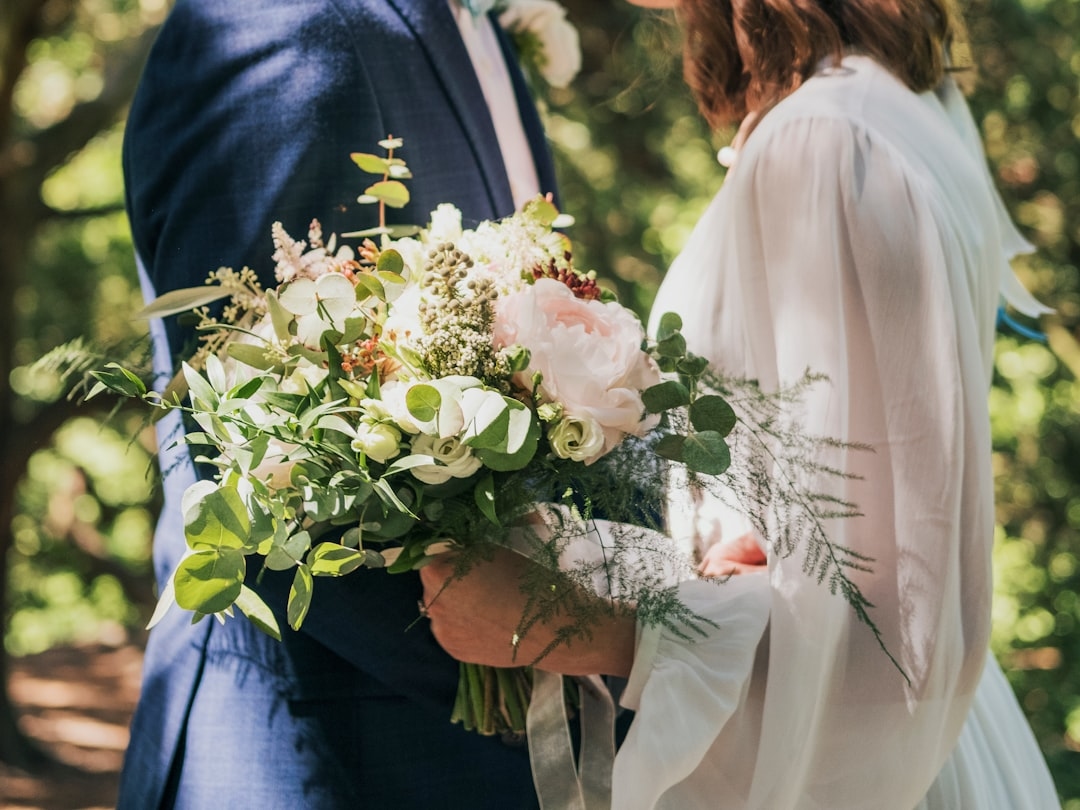
Flowers as a love language means using the gift, arrangement, or even the symbolism of flowers to express affection, gratitude, admiration, or romantic intent. This “language” isn’t made up of words, but of color, scent, variety, and thoughtful presentation–each carrying a meaning that can say more than a card ever could.
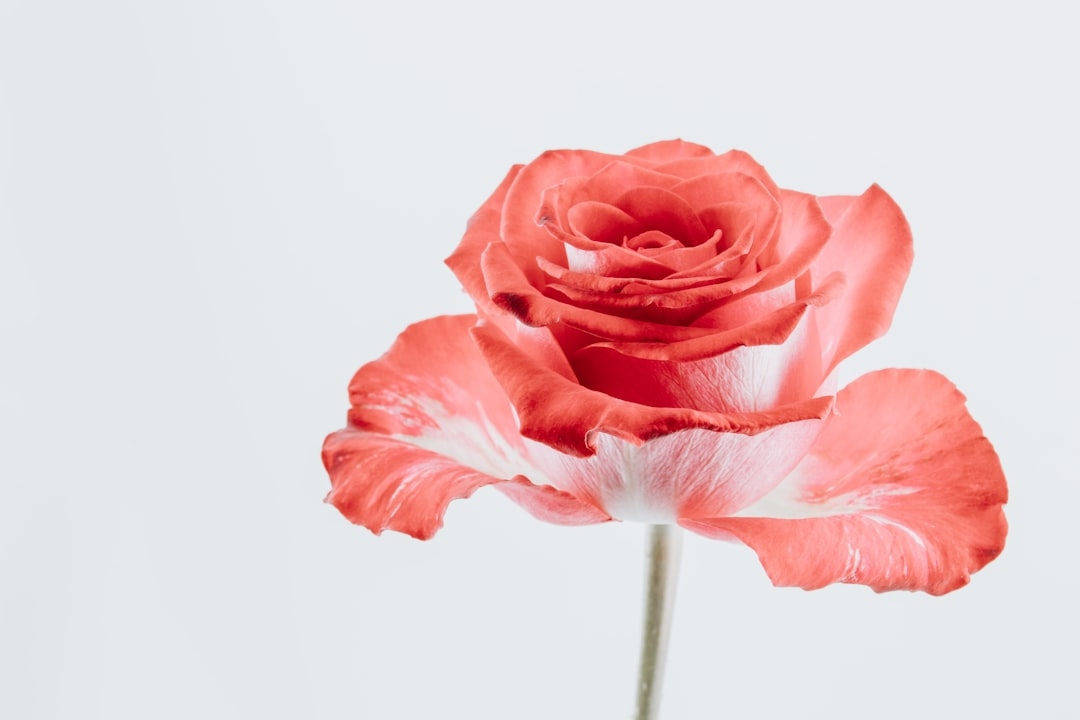
- Red roses typically symbolize deep romantic love.
- Sunflowers communicate adoration and loyalty.
- A simple daisy bouquet signals innocence or sincere friendship.
- Orchids can mean refined beauty, admiration, or rare love.
Florists in the US, like the team at UrbanStems or Bouqs Co., are seeing a growing trend: more people ask for meaning-driven bouquets, not just “what looks pretty.” This shift reflects a desire to embody feelings in tangible, fragrant form.
The Science: Why Flowers Say “I Love You” So Well
Psychological Impact of Receiving Flowers
There’s hard evidence behind the emotional punch of flowers. According to Dr. Lila Barrett, a floral psychologist at the University of Michigan, receiving flowers activates dopamine and oxytocin–the same “love chemicals” released during hugs or positive affirmations. Her 2025 study found that 88% of recipients reported a significant mood boost lasting up to three days after getting a bouquet.
Flowers and Memory
Flowers often become linked with milestone moments: anniversaries, graduations, apologies, or the first time someone says, “I love you.” That vivid pink peony from your first date? Years later, one whiff can bring you right back.
Pull-quote:
“Flowers speak to our senses and psyche, creating powerful, lasting memories.”
–Dr. Lila Barrett, UMichigan
Flower Symbolism in the US: A Quick Guide
Every flower, and even its color, can whisper a different sentiment. American floristry blends Victorian “floriography” traditions with modern twists.
| Flower Type | Color | Meaning in US Culture | Popular Occasions |
|---|---|---|---|
| Rose | Red | Passionate love | Valentine’s Day, anniversaries |
| Rose | Yellow | Friendship, cheer | Birthdays, get-well, thanks |
| Lily | White | Purity, new beginnings | Weddings, sympathy |
| Sunflower | Yellow | Adoration, loyalty | “Just because,” graduations |
| Carnation | Pink | Motherly love, gratitude | Mother’s Day |
| Orchid | Purple | Admiration, refined love | Romantic gestures, promotions |
| Daisy | White | Innocence, loyal love | New baby, friendship |
Expert tip:
Christine Vega, AIFD-certified florist in Austin, recommends mixing flower types: “A bouquet of roses and sunflowers can say, ‘I adore you and I’m fiercely loyal.’ Let your message be as unique as your relationship.”
How to Express Emotions Through Flowers
Certain love languages prefer touch, acts of service, or words. With flowers, the message is visual and sensory.
1. Choosing the Right Flower
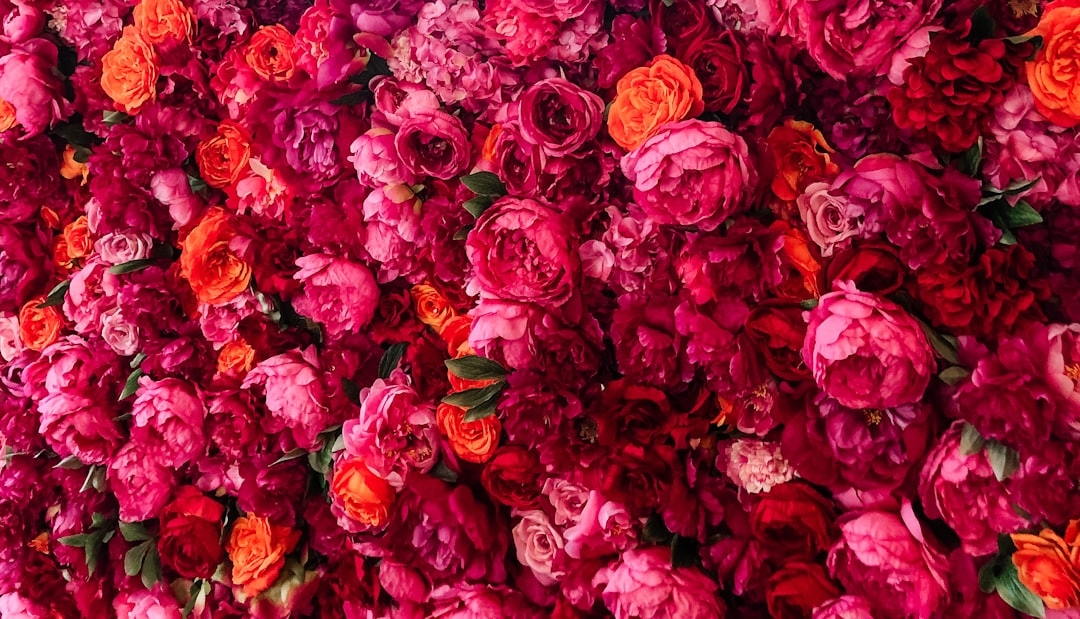
- Romantic Love: Go for red roses, peonies, or ranunculus.
- Platonic Affection: Daisies, yellow roses, or tulips.
- Apologies: White lilies with a handwritten note.
- Celebration: Sunflowers, mixed bright bouquets.
- Sympathy/Support: White lilies or hydrangeas.
2. Color Really Matters
- Red: Love, desire, courage
- Pink: Admiration, joy, gentle affection
- Yellow: Cheerfulness, friendship, warmth
- White: Innocence, new beginnings, remembrance
- Purple: Enchantment, pride, mystery
3. Size and Presentation
A single stem can be more intimate than a lavish bouquet. Presentation can turn supermarket flowers ($15 from Trader Joe’s) into a meaningful gift through hand-tying, adding greenery, or using a keepsake vase.
Flowers and Modern Love: Beyond Romance
Gen Z and Millennials Are Redefining Flower-Gifting
Fred Meyers, CEO of 1-800-Flowers, notes that in 2026, over 60% of flower orders are not for romantic interests but for friends, co-workers, or relatives. “It’s a shift from ‘just romantic’ to ‘meaningful connection in any relationship’.”
Long-Distance Relationships
US-based services like UrbanStems, Farmgirl Flowers, and Bouqs let you send flowers overnight nationwide, making it easy to say “I miss you” from thousands of miles away.
Self-Love
Buying flowers for yourself is no longer taboo. In fact, current surveys show 1 in 3 American women purchased flowers for themselves at least once in the past year.
Practical Tips: How to Make Your Flowers Speak Louder
Personalization Is Key
- Add a note: Even two sentences make a bouquet more impactful.
- Mix blooms: Combine flowers that represent layered emotions.
- Timing matters: Surprising someone on a random Wednesday sometimes says more than a holiday delivery.
Sustainable Choices Shine
US eco-conscious consumers are now seeking out local, sustainably-grown blooms. Check labels or ask for American-grown flowers from your florist, or look for certified suppliers like California Grown or Slow Flowers.
Frequently Asked Questions
What are the five love languages, and where do flowers fit in?
The five classic love languages are: Words of Affirmation, Acts of Service, Receiving Gifts, Quality Time, and Physical Touch. Flowers fit under “Receiving Gifts” but also overlap with “Acts of Service” if you hand-select or arrange them.
Do different flowers really have different meanings?
Yes, different flowers and colors traditionally symbolize specific emotions or intentions. For example, red roses for love, yellow tulips for friendship, and white lilies for sympathy. Florists use these meanings to craft arrangements that “speak” for their clients.
Can I give flowers to a friend without sending mixed signals?
Absolutely. Choose non-romantic varieties like sunflowers, daisies, or yellow roses to make your intent clear. Adding a card with a simple sentiment helps, too.
Why do fresh flowers make people happy?
Research from Rutgers University and Dr. Lila Barrett, UMichigan, shows that fresh flowers trigger positive emotions, reduce stress, and even improve memory. The visual beauty and scent of blooms activate “feel good” chemicals in the brain.
Is it weird to buy flowers for myself?
Not at all. It’s become increasingly common, especially in the US, for people to treat themselves to flowers as a form of self-care and home beautification.
Try This: Let Your Next Bouquet Say What Words Can’t
Next time you want to show love–romantic, friendly, or simply kind–let the petals do the talking. Visit your local florist, or browse a US-based online service, and pick blooms that match your message. Not sure where to start? Ask for a “meaningful arrangement” and share the feeling you want to convey. Let your flowers become your love language and see how the message blooms.