Contents:
- Quick Answer: Why Do Hydrangeas Wilt So Quickly?
- Understanding the Hydrangea’s Unique Physiology
- Water: The Lifeblood of Hydrangeas
- Air Bubbles: The Hidden Enemy
- The Main Culprits: Why Your Hydrangeas Go Limp
- How to Fix Wilting Hydrangeas (And Make Them Last Longer)
- Re-Cut Stems Under Water
- The Boiling Water Trick
- Tackle Wilting Petals Directly
- Use Floral Preservative
- Keep Cool and Out of Sunlight
- Home Remedies Versus Professional Fixes
- Pro Florist Insights: Getting the Most from Store-Bought Hydrangeas
- How to Spot the Freshest Stems
- Arranging Hydrangeas to Prevent Wilting
- Do Hydrangea Colors Wilt Faster? Surprising Facts
- Pull-Quote
- Frequently Asked Questions
- How do you revive wilted hydrangeas?
- Why do hydrangeas wilt so fast compared to other flowers?
- Does boiling water really help wilting hydrangeas?
- How often should you change hydrangea water?
- Are supermarket hydrangeas less fresh than florist hydrangeas?
- Ready for Lusher, Longer-Lasting Blooms?
Why Hydrangeas Wilt So Fast and How to Fix It
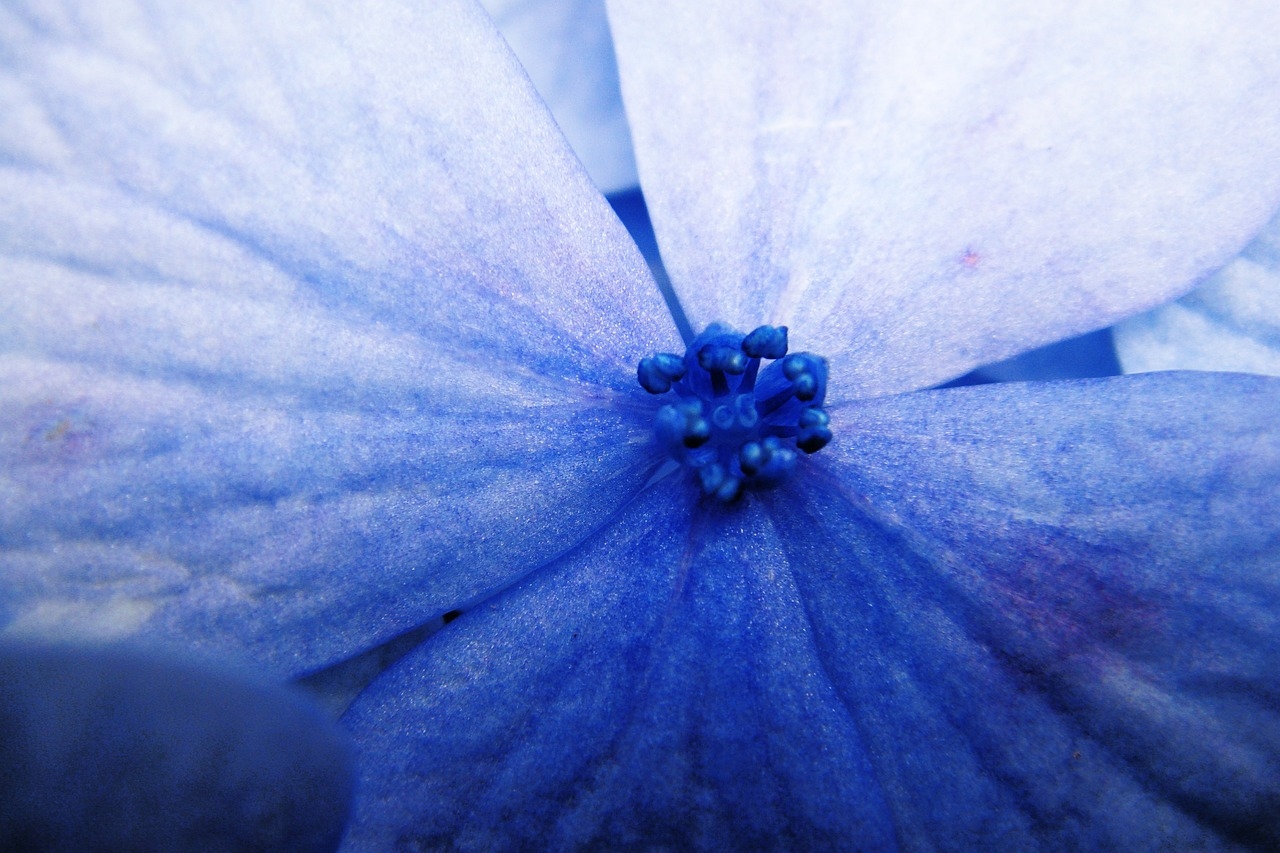
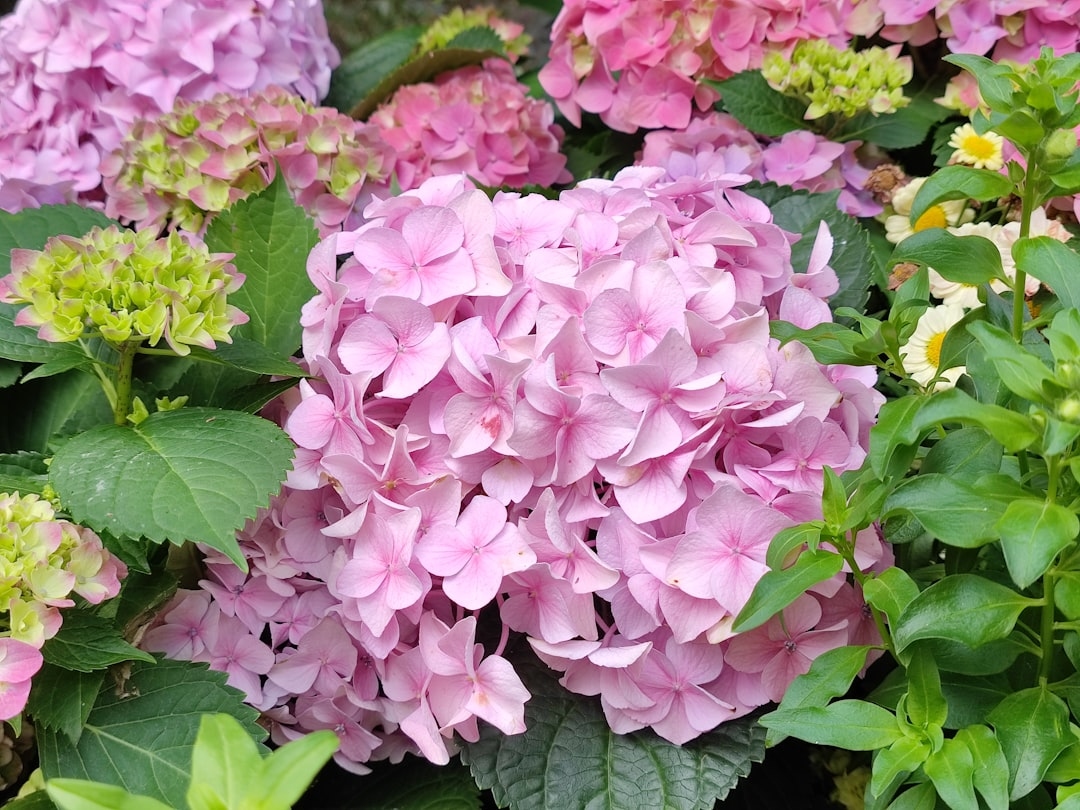
There’s nothing quite like a fresh bouquet of hydrangeas–until, shockingly, they collapse within 24 hours. One minute, those lush blue, pink, or snowy-white blooms look wedding-day perfect. The next, they’re drooping over the vase like they’ve run a marathon in July. The truth is, hydrangeas are infamous for wilting quickly, leaving even experienced florists stumped. What’s really going on, and can you rescue your blooms before they’re compost?
Quick Answer: Why Do Hydrangeas Wilt So Quickly?
Hydrangeas wilt fast because their woody stems struggle to draw up enough water once cut. Air bubbles (embolism) often form in their hollow stems, blocking water uptake. The fix: Immediately re-cut stems under water, use boiling water treatment to dissolve air bubbles, and keep blooms cool and hydrated.
Understanding the Hydrangea’s Unique Physiology
Hydrangeas aren’t your average cut flower. Their anatomy and water needs set them apart from roses, tulips, or even peonies.
Water: The Lifeblood of Hydrangeas
Unlike flowers with soft, porous stems, hydrangeas have thick, woody stems that don’t naturally “drink” as easily. According to Lisa Erickson, lead floral designer at Brooklyn’s Urban Roots (est. 2012), “Hydrangeas can lose up to 50% of their moisture content within the first hour after cutting.” That’s more than twice as fast as most common garden flowers.
Air Bubbles: The Hidden Enemy
When you cut hydrangea stems, air rushes in before water can fill the conduit–the plant equivalent of a kinked drinking straw. This process, known as embolism, forms air blocks inside the stem. Those bubbles prevent the uptake of water all the way to the big mophead blooms, causing that dramatic wilt.
The Main Culprits: Why Your Hydrangeas Go Limp
Several key factors make hydrangeas prone to wilting:
| Cause | How it Wrecks Your Hydrangeas | Prevention or Fix |
|---|---|---|
| Air Embolism | Blocks water transport through stems | Re-cut under water, boiling |
| Room Temperature | Heat dehydrates petals, speeding up wilting | Keep cool (60-68°F) |
| Low Water Levels | Stems suck air when water runs low | Refill vase often |
| Dirty Vase | Bacteria clog stems, blocking water | Clean vase, change water |
| Old Blooms | Older stems have less vigor and lower water uptake | Buy freshest stems possible |
“Hydrangeas are drama queens–a single missed water change and they faint,” jokes Emily Brooks, owner of Seattle’s Brooks & Bloom Floral.
How to Fix Wilting Hydrangeas (And Make Them Last Longer)
Fast action and the right technique can revive limp stems and keep your hydrangeas thriving for days.
1. Re-Cut Stems Under Water
- Using sharp pruning shears, trim 1-2 inches off the stem at a 45-degree angle, while holding the bottom underwater (in a bowl or under running water).
- This prevents new air bubbles from forming and opens up fresh tissue for water absorption.
2. The Boiling Water Trick
- Bring a small pot of water to a boil.
- Pour about 1 inch of boiling water into a heat-safe container.
- Immediately place the stem ends (freshly cut) into the boiling water for 30 seconds, then transfer to cool water.
- This dissolves existing air bubbles and unclogs woody tissue.
3. Tackle Wilting Petals Directly
For truly desperate blooms:
- Fill a clean sink or bathtub with cool water.
- Submerge the entire flower head for 30-60 minutes. This allows petals to rehydrate through their delicate surfaces.
- Gently shake off water, recut the stems, and return to fresh vase water.
4. Use Floral Preservative
Many florists recommend Chrysal, Oasis, or FloraLife (all under $10 on Amazon in 2026) for increasing vase life up to 30%. Preservatives feed the stems, balance pH, and combat bacteria.
5. Keep Cool and Out of Sunlight
Hydrangeas last longest in cool rooms (60-68°F). Avoid direct sun, drafts, and heating vents. Change the water and re-trim stems every 2 days.
Home Remedies Versus Professional Fixes
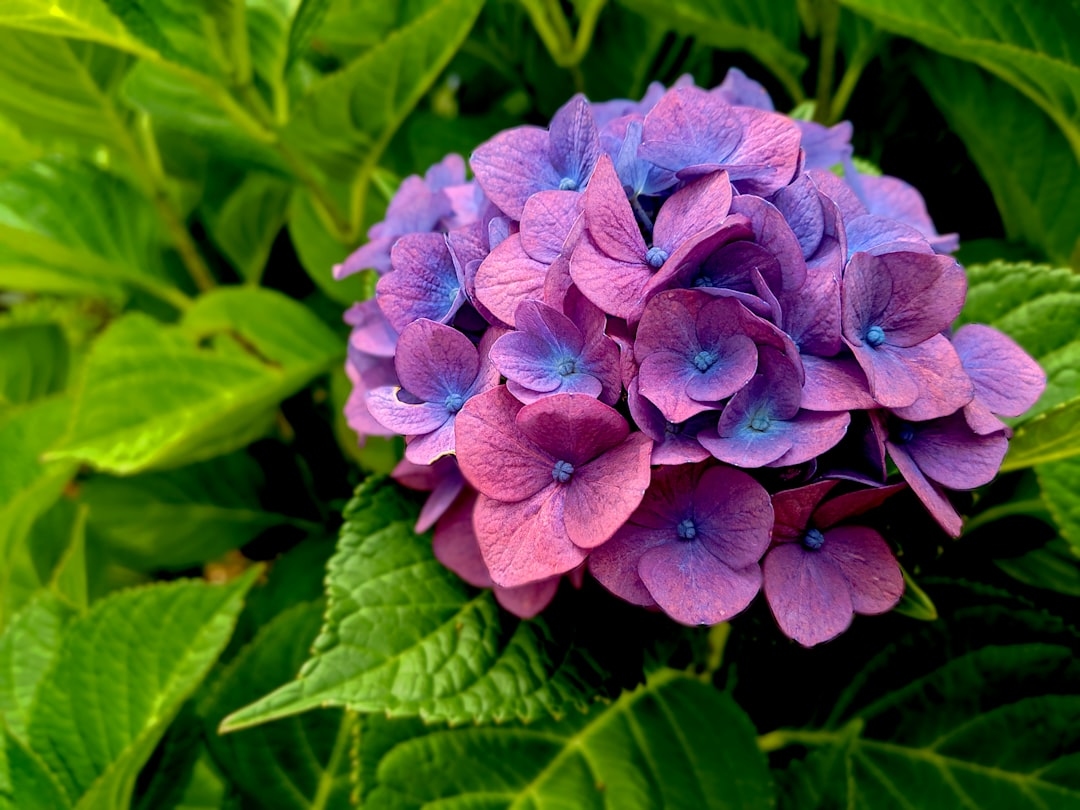
Hydrangea care often blends kitchen tricks with florist-grade science. Here’s how ordinary methods compare with pro strategies:
| Method | Effectiveness | Pro Tip |
|---|---|---|
| Aspirin/coins in water | Low | No evidence they help hydrate hydrangeas |
| Sugar mixed in water | Medium | May help, but can feed bacteria – use sparingly |
| Commercial flower food | High | Best for keeping cut hydrangeas perky |
| Boiling water treatment | Very High | Essential for reviving wilted stems |
| Submerging flower heads | High | Works for emergency rehydration |
Pro Florist Insights: Getting the Most from Store-Bought Hydrangeas
How to Spot the Freshest Stems
- Look for firm, green leaves and perky, upright flower heads.
- Avoid any stems with browning or translucent petals.
- Big-box grocery arrangements (Trader Joe’s, Costco, Whole Foods) often have a 3-4 day lag from farm to store, so locally-owned florists or US-grown hydrangeas (California, North Carolina) are usually fresher for the same price ($4-$8 per stem in 2026).
Arranging Hydrangeas to Prevent Wilting
- Use a heavy vase–a glass cylinder or ceramic urn prevents top-heavy hydrangeas from slumping.
- Remove all leaves below the water line to reduce rot.
- Pair with water-loving blooms: tulips, lisianthus, or ranunculus.
Do Hydrangea Colors Wilt Faster? Surprising Facts
There’s folklore in the flower trade that blue hydrangeas wilt more quickly than pink or white. University of Georgia horticulturist Dr. Melanie Li (PhD, Floriculture) states, “Color is mostly a marker for soil pH where the plant is grown, not a direct factor in vase life.” However, dense mophead varieties, regardless of color, seem to lose water fastest due to their larger petal surface area.
Pull-Quote
“Don’t wait for hydrangeas to look thirsty–they’re already in trouble. Be proactive with trimming and water quality.”
–Daniela Gomes, Lead Designer, Boston Blooms Studio
Frequently Asked Questions
How do you revive wilted hydrangeas?
To revive wilted hydrangeas, re-cut the stems under water, treat the ends with boiling water for 30 seconds, and if needed, fully submerge flower heads in cool water for up to an hour. Then, place the blooms back in clean, fresh vase water.
Why do hydrangeas wilt so fast compared to other flowers?
Hydrangeas wilt quickly because their woody stems trap air bubbles when cut, blocking water flow to the petals. Their large mophead blooms also lose moisture rapidly, causing faster dehydration than many common flowers.
Does boiling water really help wilting hydrangeas?
Yes. Briefly dipping hydrangea stem ends in boiling water helps dissolve trapped air bubbles and clears clogs in the stem’s vascular system, allowing water to reach the blooms and revive drooping flowers.
How often should you change hydrangea water?
Change hydrangea vase water every 1-2 days. This prevents bacterial growth and keeps stems open for optimal water absorption, significantly extending the flowers’ vase life.
Are supermarket hydrangeas less fresh than florist hydrangeas?
Generally, yes. Supermarket hydrangeas may have spent more days in transit, while local florists often sell fresher, recently-cut hydrangeas with a longer expected vase life.
Ready for Lusher, Longer-Lasting Blooms?
Next time you buy or receive hydrangeas, head straight for the kitchen: give those stems a fresh underwater cut, treat them to a quick bath of boiling water, and keep them happily hydrated in a cool spot. With the right care, they’ll bring lush color and cheer to your space for a full week–maybe more. Try these techniques, and enjoy hydrangeas without the heartbreak.