
Contents:
- Quick Answer: Why Do Ranunculus Stems Get Slimy?
- Why Ranunculus Are More Prone to Slime Than Other Flowers
- The Anatomy of a Ranunculus Stem
- What Actually Makes Ranunculus Stems Slimy?
- The Microbiology of Slime
- It’s Not Just Gross–It’s Dangerous for the Flowers
- The Essential Guide: How to Prevent and Treat Slimy Ranunculus Stems
- The Five-Minute Daily Routine
- Pro Tips From the Pros
- When to Toss (or Try to Rescue) Slimy Ranunculus
- Signs It’s Too Late
- Can You Save Them?
- Common Myths About Ranunculus Slime
- Myth 1: “Aspirin or Vodka Will Solve It”
- Myth 2: “Only Cheap Grocery Store Ranunculus Get Slimy”
- Myth 3: “Just Trim the Ends and It’ll Be Fine”
- Extra Care for Ranunculus Arrangements
- Mixed Bouquets: Special Considerations
- Seasonal Tips
- FAQ: Ranunculus Stems and Slime
- How often should I change the water for ranunculus flowers?
- Can I use homemade floral preservatives for ranunculus?
- What temperature water should I use for ranunculus?
- Are slimy stems harmful to pets?
- Can ranunculus flowers be revived after stems get slimy?
- Give Your Ranunculus Their Best Life
Why Ranunculus Stems Get Slimy and What to Do
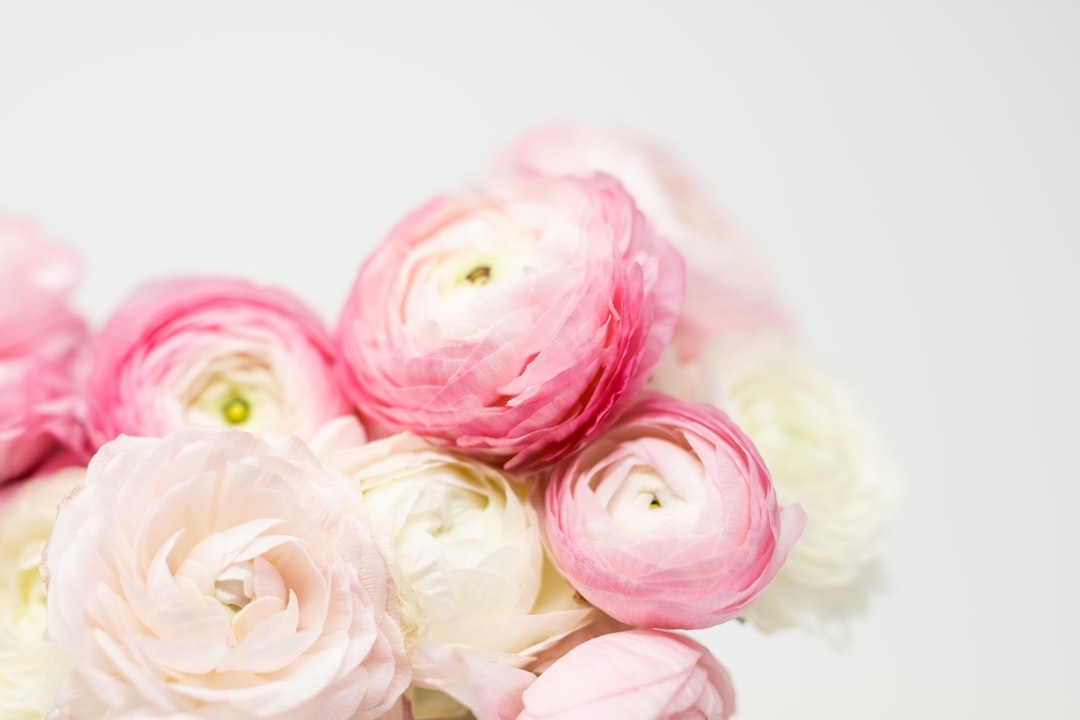
Picture this: a pitcher of peachy-pink ranunculus on your kitchen table, petals layered like pastry, light catching every swirl. Three days in, you notice the water turns cloudy and the stems look… well, kind of gross. Slimy, even. And the flowers? They’re drooping, losing their bright charm.
You’re not alone. Slimy ranunculus stems are a top complaint in the flower world–second only to “Why don’t my peonies open?” according to a 2026 survey by The American Society of Florists. Let’s get to the root of the issue and keep those ranunculus looking fresh, not foul.
Quick Answer: Why Do Ranunculus Stems Get Slimy?
Ranunculus stems get slimy because bacteria and fungi rapidly multiply in standing water, feeding on the sugars and organic matter from cut stems. Their soft, hollow stems are extra vulnerable. This slime clogs the stems, blocks water uptake, and speeds up wilting.
How to fix it:
Change the water daily, recut the stems, sanitize the vase, and remove any leaves below the water line. Floral preservatives can help, but nothing beats clean water and sharp snips.
Why Ranunculus Are More Prone to Slime Than Other Flowers
The Anatomy of a Ranunculus Stem
Ranunculus stems are hollow and extremely soft–a big contrast to sturdier florals like roses or tulips. According to floral biologist Dr. Maya Jensen, PhD, “Their structure makes them fantastic at absorbing water, but it also leaves them wide open to bacterial invasion. Once that starts, slime is inevitable unless you clean aggressively.”
The cut ends leak natural sugars and plant sap, which bacteria love. It’s like an all-you-can-eat buffet in your vase.
Comparison Table: Ranunculus vs. Other Popular Cut Flowers
| Flower | Stem Structure | Slime Prone? | Maintenance Level |
|---|---|---|---|
| Ranunculus | Hollow, soft | Very High | High |
| Roses | Woody, solid | Low | Medium |
| Tulips | Semi-soft, filled | Medium | Medium |
| Daffodils | Hollow, hard | Medium | Medium |
| Peonies | Herbaceous | Medium | High |
“Ranunculus get slimy twice as fast as roses–sometimes within 48 hours,” says Annie Bryce, owner of Chicago-based artisan florist Bright Bunch (est. 2016).
What Actually Makes Ranunculus Stems Slimy?
The Microbiology of Slime
Once a ranunculus stem is cut, bacteria and, to a lesser extent, fungal spores enter the stem and water. In studies published by the University of California-Davis in 2024, water bacteria counts skyrocket from about 1,000 CFU/ml to over 100,000 CFU/ml within 36 hours in vases with ranunculus–ten times faster than with roses.
These microbes secrete enzymes that break down plant tissue, turning the outside of the stem into a squishy, slippery mess. Slime builds up, causing these issues:
- Stems can’t drink properly (because little “pipes” in the stem are blocked)
- Water becomes clouded, making it look dirty
- The flowers wilt and brown prematurely
It’s Not Just Gross–It’s Dangerous for the Flowers
Slime isn’t just unappealing. It signals your stems are suffocating, and it can spread to other flowers in the same bouquet.
The Essential Guide: How to Prevent and Treat Slimy Ranunculus Stems
The Five-Minute Daily Routine
- Change the water every 24 hours. Don’t just top it up–dump, rinse, and refill.
- Clean the vase with dish soap and hot water, or use a teaspoon of bleach in a quart of water for extra sanitation.
- Recut stems by trimming at least ½ inch off the base with a sharp, clean knife or florist shears. Cut at an angle for better water uptake.
- Remove leaves below the water line. Leaves rot fast, boosting bacteria.
- Add floral preservative (like Chrysal or Floralife, usually under $1 per packet). These contain just enough biocide and nutrients to fight back the slime.
Pro Tips From the Pros
-
“Ranunculus water should be clearer than your morning cold brew. If it’s not, swap it ASAP.”
– Leona Chu, Lead Designer, Petal Pushers SF -
Use distilled or filtered water if your tap runs hard–minerals can encourage slime.
-
For arrangements in foam, avoid ranunculus. They clog way too fast.
When to Toss (or Try to Rescue) Slimy Ranunculus
Signs It’s Too Late
- Stems are mushy all the way up, not just at the bottom
- Water smells sour, like rotten lettuce or pond water
- Petals are transparent or moldy
Can You Save Them?
If only the bottom inch is slimy, you may be able to rescue the flowers:
- Rinse the stems under cold water.
- Trim at least an inch above the slime.
- Clean the vase and use fresh solution.
But for bad cases, toss them. Keeping rotted stems just shortens the life of the rest of your bouquet.
“Fresh ranunculus stems should feel firm and snap a bit when you trim them. If they’re floppy or smell off, compost them,” says Daniel Vasquez, AIFD-certified florist in Austin, TX.
Common Myths About Ranunculus Slime
Myth 1: “Aspirin or Vodka Will Solve It”
Nope. Floral experts agree–while vodka, bleach, or aspirin can marginally slow bacteria, they don’t replace daily cleaning. According to the Floralife company (2026), their tested preservative packets outperform home hacks by up to 48 hours.
Myth 2: “Only Cheap Grocery Store Ranunculus Get Slimy”
Not true. Even high-end, farm-direct ranunculus from places like Flowerbx or UrbanStems can get slimy if water isn’t changed often enough. It’s about care, not cost.
Myth 3: “Just Trim the Ends and It’ll Be Fine”
Trimming helps, but without cleaning the vase and water, slime returns fast. Bacteria cling to the glass and stem surfaces, multiplying in geometric leaps.
Extra Care for Ranunculus Arrangements
Mixed Bouquets: Special Considerations
When mixing ranunculus with other flowers, be aware:
- Hydrangeas and dahlias are also high-bacteria producers.
- Avoid pairing with daffodils in the same vase–their sap can hasten stem rot.
List: Flowers that play well with ranunculus
- Anemones (similar care needs)
- Lisianthus
- Stocks
- Sweet peas
Seasonal Tips
- In hot summer months, change the water twice daily.
- Store vases away from direct sun and fruit bowls; ethylene gas from ripening fruit wilts fresh flowers, including ranunculus.
FAQ: Ranunculus Stems and Slime
How often should I change the water for ranunculus flowers?
Change the water every 24 hours at minimum. For best results, rinse the vase and give the stems a fresh cut each time to prevent bacterial build-up and slimy stems.
Can I use homemade floral preservatives for ranunculus?
Homemade solutions (like lemon juice + sugar + bleach) offer some benefits, but commercial preservatives like Chrysal or Floralife are more effective at controlling bacteria and extending vase life.
What temperature water should I use for ranunculus?
Room temperature water (65-72°F) is ideal. Water that’s too cold can shock the stems and hamper water uptake; too hot can accelerate decay.
Are slimy stems harmful to pets?
Yes, the bacteria and mold associated with slimy stems can be harmful if ingested by cats or dogs. Always discard rotting flowers securely and clean spills promptly.
Can ranunculus flowers be revived after stems get slimy?
If only the lower part is slimy, a generous trim and fresh water may revive them. If the slime and odor are extensive, it’s best to compost the stems and start fresh.
Give Your Ranunculus Their Best Life
The difference between luscious, vase-filling ranunculus and sad, slimy stems? Just five minutes a day. Think of it as a tiny ritual–pour fresh water, snip, and reset your arrangement. If you want ranunculus that truly last, outshine their grocery-store reputation, and maybe even hit that magical 7-10 day mark, bacteria control is your secret weapon.
Invite them in. Treat them right. Watch them reward you with days of springtime beauty–no slime in sight.