Contents:
- What Flowers Are Safe for Dementia Patients? (Quick Answer)
- Why Flower Choice Matters in Dementia Care
- Key Criteria for Selecting Safe Flowers
- Non-Toxicity First
- Easy Texture and Structure
- Gentle or Neutral Scents
- Visual Stimulation
- Top 8 Safe Flowers and How to Use Them
- Roses (De-thorned)
- African Violets
- Sunflowers
- Snapdragons
- Orchids
- Pansies
- Marigolds
- Zinnias
- Flowers and Dementia: How Sensory Benefits Support Wellbeing
- Sensory Activities to Try
- Safety Checklist for Activity Facilitators
- Where to Buy Dementia-Safe Flowers in the U.S.
- What to Avoid: Flowers and Plants That Pose Risks
- Toxic Flowers (Never Give)
- Other Hazards
- FAQ: Flowers Safe for Dementia Patients (2026)
- What is the safest flower to give someone with dementia?
- Are lilies dangerous for dementia patients?
- Can I use artificial flowers instead of real ones?
- What should I tell my florist when ordering for a memory care facility?
- How do I check if a flower is toxic?
- Taking the Next Step: Bringing Safe Flowers Into Dementia Care
Flowers Safe for Dementia Patients: A U.S. Guide for Caregivers and Loved Ones
Glancing at a vase brimming with blooms, a person living with dementia may light up in ways words can’t touch. But not all flowers are safe for those with cognitive changes–some are toxic if nibbled, others can trigger allergies, and a few even shed messy pollen that frustrates facility staff and family alike. Choosing the right flowers for dementia patients isn’t just about beauty–it’s about safety, comfort, and pure, accessible joy.
What Flowers Are Safe for Dementia Patients? (Quick Answer)
The safest flowers for dementia patients are non-toxic, fragrance-mild, and low-shedding species such as roses (without thorns), sunflowers, pansies, African violets, orchids, and snapdragons. Avoid lilies, foxglove, and daffodils, which are toxic if ingested, as well as strong-scented flowers like hyacinth or gardenia. Go for soft textures and bright, simple colors–these are easier for patients to enjoy and handle.
Safe flowers for dementia patients include:
- Roses (de-thorned)
- African violets
- Sunflowers
- Snapdragons
- Orchids
- Pansies
- Marigolds
- Zinnias
Why Flower Choice Matters in Dementia Care
Picture this: 30% of people with dementia attempt to touch or taste familiar objects, including flowers. According to Dr. Melissa Tran, Certified Dementia Practitioner and floral therapy consultant, “Safety in floristry isn’t just about looks or aroma–it’s also about minimizing risk when curiosity and memory overlap.” In the U.S., over 6.7 million adults live with dementia as of 2026, and nearly half spend time in assisted living or home care. Incidents related to plant toxicity are rare but significant, with the Poison Control Center estimating 8,000 annual calls about plant ingestion by elders–most preventable with safer floral choices.
Florists like Rachel Phelps of Boston’s Gentle Petals report rising requests for “dementia-safe” bouquets, especially for memory care wings. “We look for flowers that can be handled, touched, and admired without worry,” she says. The right bouquet can become a reassuring ritual and sensory delight; the wrong one can be hazardous.
Key Criteria for Selecting Safe Flowers
1. Non-Toxicity First
Many popular cut flowers are hazardous if chewed or swallowed. Dementia can change impulse control and heighten tactile curiosity, so non-toxic options are essential. The ASPCA’s Toxic and Non-Toxic Plants List is a trusted reference–choose species listed as safe for both people and pets.
2. Easy Texture and Structure
Avoid prickly stems, sharp leaves, or dense pollen. Select flowers with soft petals, sturdy stems, and minimal debris. Snapdragons, with their gentle blooms and easy-to-hold stems, top many safe lists.
3. Gentle or Neutral Scents
Fragrance sensitivity rises with age and certain medications. Mildly scented or unscented flowers, like sunflowers or African violets, are better for shared living spaces. Save the hyacinths for the garden–indoors, they can overwhelm.
4. Visual Stimulation
Bright colors like yellow, orange, and purple catch aging eyes more easily than whites or greens (source: American Optometric Association, 2023). Uniform shapes and strong contrasts help patients recognize individual flowers.
Comparison Table: Common Flowers–Safe or Not?
| Flower | Safe/Unsafe | Reason | Notes |
|---|---|---|---|
| Rose (de-thorned) | Safe | Non-toxic, easy to handle | Mild scent, cut thorns |
| Lily | Unsafe | Highly toxic, strong scent | Causes stomach upset |
| Sunflower | Safe | Non-toxic, sturdy stem | Low scent |
| Daffodil | Unsafe | Bulb and flower toxic | Causes nausea |
| African violet | Safe | Non-toxic, soft leaves | Compact, easy to hold |
| Foxglove | Unsafe | Highly toxic (cardiac) | Never use |
| Orchid | Safe | Non-toxic, long-lasting | Many colors |
“A little knowledge goes a long way–one wrong bouquet and you could be facing a medical emergency, but the right one brings only joy.”
–Rachel Phelps, dementia care florist
Top 8 Safe Flowers and How to Use Them
1. Roses (De-thorned)
- Why Safe: Non-toxic; familiar and comforting.
- Best For: Vase arrangements, flower-touch activities, pressed-flower crafts.
- Tip: Always remove all thorns and loose petals before use.
2. African Violets
- Why Safe: Non-toxic to humans and pets, fuzzy leaves feel good to touch.
- Best For: Tabletop planters in personal rooms; easy, low-maintenance.
- Price: Usually $6-$12 per potted plant in U.S. nurseries (2026 retail).
3. Sunflowers
- Why Safe: Non-toxic, sturdy stems, large heads for easy viewing.
- Best For: Centerpieces, group activities, or outdoor planters.
- Caution: Avoid varieties with loose pollen.
4. Snapdragons
- Why Safe: No known toxicity; upright, colorful, and easily gripped.
- Best For: Mixed bouquets; tactile exploration.
- Note: Look for U.S.-grown snapdragons in summer for best quality.
5. Orchids
- Why Safe: Non-toxic; striking colors improve mood (source: Journal of Horticultural Therapy, 2024).
- Best For: Long-lasting gifts–orchids can bloom for weeks with little care.
6. Pansies
- Why Safe: Edible, non-toxic, and cheerful.
- Best For: Planters, window boxes, or edible flower arrangements.
- Fun Fact: Used in senior cooking classes for edible art.
7. Marigolds
- Why Safe: Non-toxic, pest-resistant, strong colors.
- Best For: Outdoor gardens at care facilities; they also deter insects.
8. Zinnias
- Why Safe: No toxicity, bright and bold.
- Best For: Summer bouquets, activity-room vases.
Flowers and Dementia: How Sensory Benefits Support Wellbeing
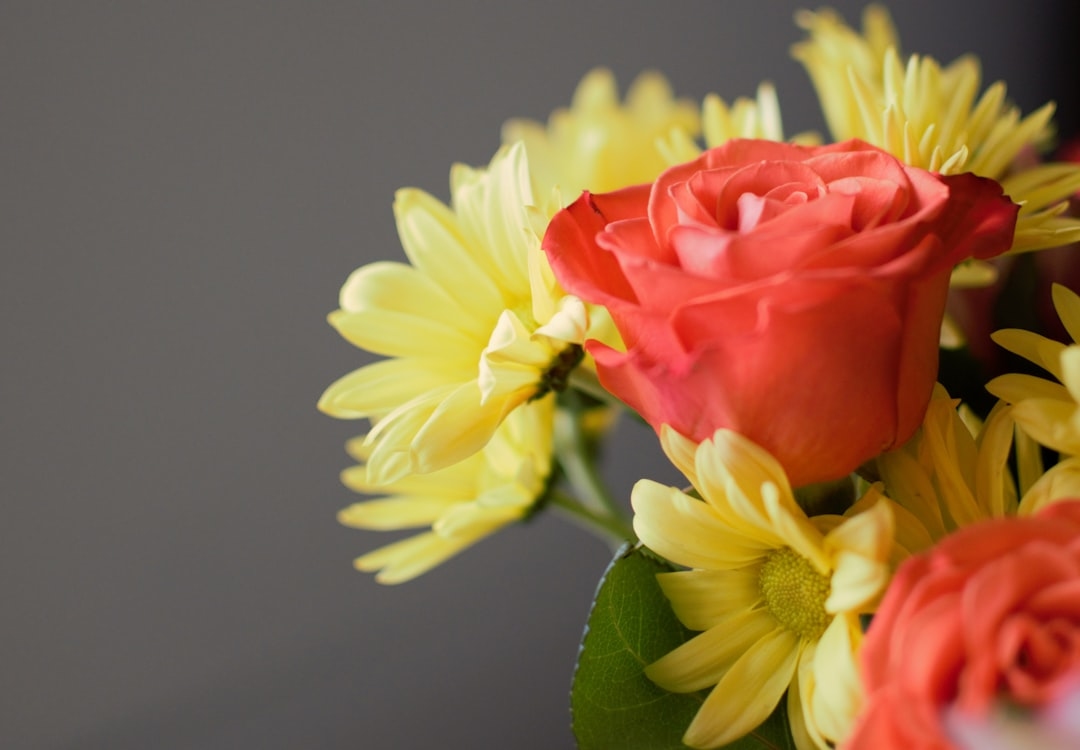
Cut flowers aren’t just decorations–they’re a reliable boost for memory care. Research by Dr. Elaine Markham (University of Texas, 2025) found that daily exposure to safe, colorful flowers can reduce agitation and improve mood in dementia patients by as much as 28% over six weeks. Tactile activity, visual stimulation, and even simple watering tasks activate positive neural pathways.
Sensory Activities to Try
- Flower Arranging Sessions: Use only safe flowers, and invite residents to gently touch, smell (lightly), and arrange in small vases.
- Petal Sorting: Colorful petals from flowers like pansies or zinnias can be sorted by color or size–good for dexterity and focus.
- Pressing Flowers: Make bookmarks or cards as gifts, encouraging social connection.
- Growing Mini Planters: African violets or marigolds thrive indoors with little mess, allowing for regular nurturing.
Safety Checklist for Activity Facilitators
- Check all flowers against the ASPCA and Poison Control non-toxic lists.
- Remove all thorns, seed pods, or loose debris.
- Avoid water beads or floral foam, which can be mistaken for candy.
- Supervise at all times; don’t leave arrangements unattended in rooms.
Where to Buy Dementia-Safe Flowers in the U.S.
Most major American florists, including Teleflora, FTD, and ProFlowers, will accommodate requests for non-toxic, easy-to-handle bouquets if you specify “for dementia care.” Local options, like San Diego’s Mindful Blooms or Chicago’s Gentle Petals, may offer specialty arrangements crafted with safe species.
Potted African violets are easy to find at stores like Home Depot or Lowe’s (average price $7-$14 in 2026). Grocery store bouquets often need editing–remove lilies, daffodils, or spiky greenery before gifting.
Online, the nonprofit Flowers for Seniors USA offers curated “memory-safe” arrangements shipped nationwide for $45-$85 per order.
Tip: Always ask your florist for a full ingredient list–never assume a bouquet is safe “by appearance” alone.
What to Avoid: Flowers and Plants That Pose Risks
Toxic Flowers (Never Give)
- Lily Family (Lilium, Hemerocallis): All parts toxic, especially to elderly and children.
- Foxglove (Digitalis): Highly poisonous, fatal if ingested.
- Daffodil (Narcissus): Bulbs and flowers cause stomach distress.
- Oleander, Azalea: Both are extremely toxic, even to the touch.
Other Hazards
- Prickly or Woody Stems: Thorns, splinters, or stiff spines can injure sensitive skin.
- Loose Pollen: Messy, triggers allergies; avoid Asiatic lilies, some chrysanthemums.
- Highly Fragrant Flowers: Hyacinth, gardenia, tuberose–can cause headaches or nausea.
Rule of Thumb: If you can’t positively identify every flower, or if the bouquet contains any bulbs or unknown greenery, play it safe and remove questionable items.
FAQ: Flowers Safe for Dementia Patients (2026)
What is the safest flower to give someone with dementia?
The safest flowers are de-thorned roses, African violets, and sunflowers. These are non-toxic, easy to handle, and gentle on the senses.
Are lilies dangerous for dementia patients?
Yes, lilies are toxic and should be avoided entirely for dementia patients. Both ingestion and contact can cause illness.
Can I use artificial flowers instead of real ones?
Artificial flowers are a safer alternative for some settings, especially if residents tend to chew or ingest objects. Choose soft, fabric types–avoid plastic stems that can snap.
What should I tell my florist when ordering for a memory care facility?
Request a bouquet made entirely of non-toxic, low-scent flowers and specify it’s for a dementia patient. Ask for a detailed flower list and review it before delivering.
How do I check if a flower is toxic?
Consult the ASPCA Toxic and Non-Toxic Plants list or check with the National Poison Control Center’s online resources. If in doubt, ask a professional florist or horticulturist.
Taking the Next Step: Bringing Safe Flowers Into Dementia Care
Tomorrow’s memory care is blooming with innovation. In 2026, more facilities offer regular “flower days,” and family members are choosing bouquets with safety and sensory wellbeing in mind. Want to make a difference? Reach out to your local florist about dementia-safe options, or organize a flower-arranging hour at a nearby senior center. One colorful, safe bouquet could spark a smile–and a memory–no pill could ever provide.