Contents:
- What Are Pressed Flower Wedding Invitations? (Quick Answer)
- Why Pressed Flower Invites Are Trending in 2026
- Personalization That Feels Genuine
- Sustainability Meets Sentiment
- The Look and Feel
- How Are Pressed Flower Wedding Invitations Made?
- Flower Selection
- Pressing Process
- Preservation & Attachment
- Finishing Touches
- Pros and Cons: Pressed Flower Invitations vs. Other Floral Stationery
- Customization Ideas for Pressed Flower Wedding Invitations
- Regional & Seasonal Blooms
- Monograms and Lettering
- Keepsake Sets
- Inclusive Language
- Costs and Timing: What to Expect in 2026
- Budgeting for Pressed Flower Invitations
- Lead Times
- Where to Order: Top US Pressed Flower Invitation Studios
- Tips for DIY Pressed Flower Wedding Invites
- Top Tips:
- Popular DIY Kits (2026):
- Caring for and Sending Pressed Flower Invitations
- Mailing Advice
- Long-Term Care
- Pressed Flower Wedding Invitations: FAQ
- What types of flowers work best for pressed wedding invitations?
- How far in advance should I order pressed flower invitations?
- Are pressed flower invitations eco-friendly?
- Can pressed flower invitations be mailed like regular cards?
- How much do pressed flower wedding invitations cost in 2026?
Pressed Flower Wedding Invitations: A Timeless Touch for Modern Couples
Pressed flower wedding invitations stop guests in their tracks. Picture this: you open an envelope, and instead of a printed floral motif, there’s a real pansy–flat, papery, preserved from last spring–adorned beside your name. It’s authentic, it’s textural, and it’s quietly luxurious. In 2026, more couples in the US are requesting pressed florals for their wedding stationery than ever before, and stationers from Los Angeles to Brooklyn are seeing a surge in bespoke orders.
What Are Pressed Flower Wedding Invitations? (Quick Answer)
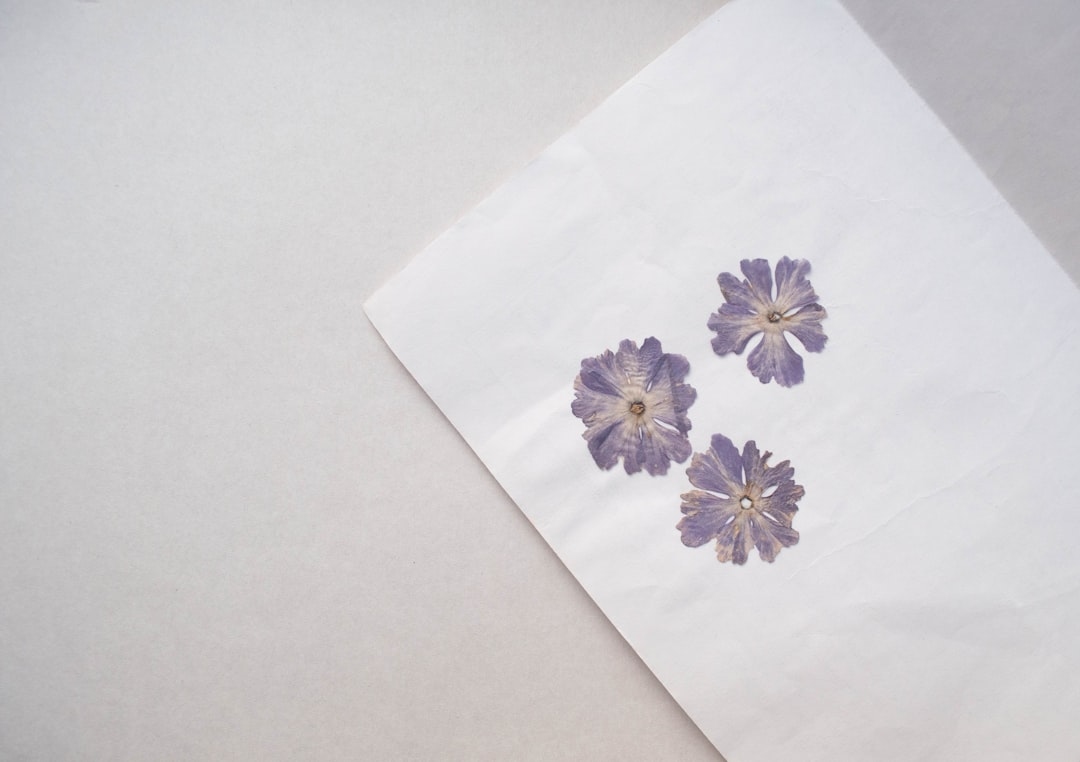
Pressed flower wedding invitations are wedding cards embellished with real dried flowers preserved through pressing. Each invitation includes actual botanicals–such as violas, ferns, or baby’s breath–carefully flattened and attached to the card. Unlike printed floral designs, these invitations offer tactile beauty, eco-friendly credentials, and one-of-a-kind artistry. They’re often custom-made, with prices ranging from $8 to $28 per invite, depending on flower type and design complexity.
Why Pressed Flower Invites Are Trending in 2026
Forget mass-produced prints. Today’s weddings are about personalization, sustainability, and creating tactile, memorable experiences. Pressed flower wedding invitations tick every box.
Personalization That Feels Genuine
“Every single invitation is a work of art,” says Claire Simons, creative director at Brooklyn’s WildLetter Press. “No two pressed flowers are identical, so no two invitations are, either.” Couples can request specific blooms–maybe mom’s favorite violets, or herbs symbolic of the couple’s first dinner together.
Sustainability Meets Sentiment
With over 60% of engaged couples in the US prioritizing sustainability in wedding planning (source: The Knot Real Weddings Study, 2025), pressed blooms offer a gentle, earth-friendly touch. Many stationers, like HoneyPaper in Austin, source pesticide-free blooms from local farms or even the couple’s own backyard.
The Look and Feel
A pressed flower isn’t just pretty. It’s papery, tactile, and surprisingly durable when properly sealed. Guests can run their fingers over a daisy and know it’s real.
How Are Pressed Flower Wedding Invitations Made?
Pressed flower invitations marry the science of floristry with the craft of stationery. Here’s what happens, step by step.
1. Flower Selection
Most popular flower choices in 2026:
- Pansies (wide color variety, press beautifully)
- Sweet alyssum (delicate, lacy)
- Baby’s breath (tiny, white clusters)
- Ferns (textural, modern)
- Lavender (scented, holds shape well)
- Forget-me-nots (tiny, blue, symbolic)
2. Pressing Process
Florists use traditional flower presses–wooden frames tightened with screws–to flatten and dry blooms over two to three weeks. DIYers sometimes use books, but pros prefer acid-free paper and custom presses for consistent color.
“Proper pressing is crucial. Too much moisture, and you’ll get mold; too much pressure, and petals lose shape,” explains Sara Hwang, owner of Petal & Paper, Seattle.
3. Preservation & Attachment
Dried blooms are gently glued or sealed onto heavy cardstock. Some stationers use lamination or a protective acetate overlay to prevent flaking and UV fading (important for keepsake value).
4. Finishing Touches
Invites are paired with matching envelopes, belly bands, wax seals, or even gold-leaf touches–whatever complements the couple’s vision.
Pros and Cons: Pressed Flower Invitations vs. Other Floral Stationery
| Feature | Pressed Flower Invitations | Printed Floral Invitations | Digital E-Invites |
|---|---|---|---|
| Visual Impact | Unique, real flowers–3D texture | Colorful, customizable | Varies; limited tactile appeal |
| Sustainability | High (if locally sourced, compostable) | Medium (recyclable, often glossy) | Highest (no physical waste) |
| Cost (USD, per invite) | $8-$28 | $3-$8 | $0.50-$2 |
| Production Time | 3-8 weeks | 1-3 weeks | Immediate |
| Keepsake Potential | Excellent; can be framed | Moderate; often discarded | Low; rarely saved |
Customization Ideas for Pressed Flower Wedding Invitations
Amp up the design with heartfelt or creative twists. Here are some favorite trends in 2026:
Regional & Seasonal Blooms
Couples in California might use wild poppies or eucalyptus, while New Englanders lean toward violets or ferns. Some US stationers, like Atlanta’s FloraBespoke, offer region-specific “bloom menus.”
Monograms and Lettering
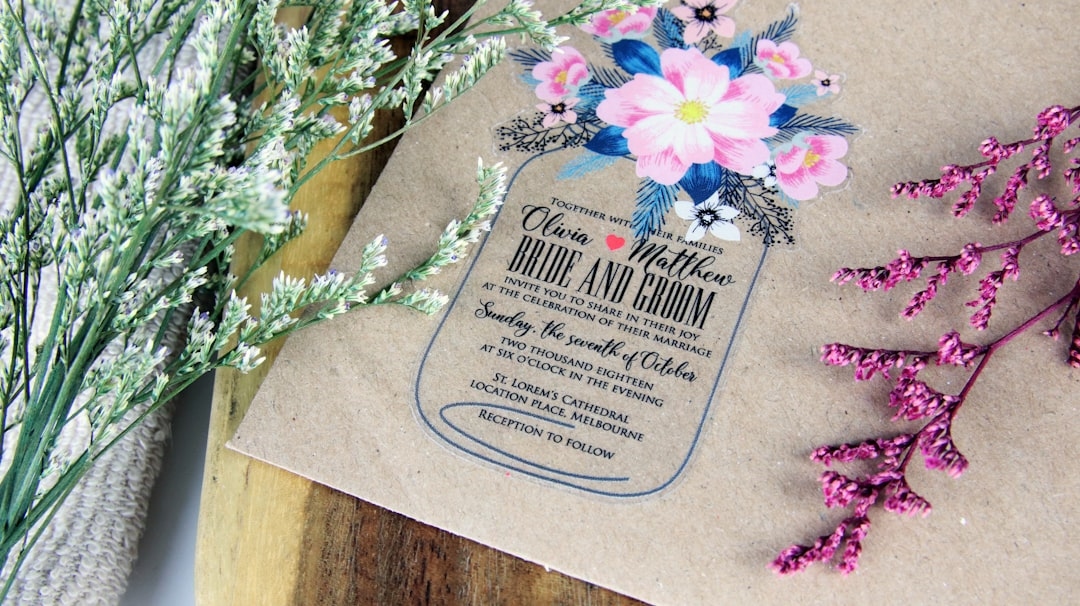
Hand-calligraphed monograms or digitally printed names layered over pressed floral backgrounds blend old-world charm with modern design.
Keepsake Sets
More couples are commissioning full suites–a pressed-flower invite, RSVP card, and matching menu for the reception–all using the same or complementary botanicals.
Inclusive Language
In response to requests from LGBTQ+ couples and diverse families, invitations now more often include customizable wording, with florists offering blooms that symbolize equality or new beginnings.
Costs and Timing: What to Expect in 2026
Budgeting for Pressed Flower Invitations
- Low-end (DIY kits): $5-$10 each
- Bespoke artisan invites: $15-$28 per invite (not including postage)
- Average US order: 80-120 invitations
Keep in mind:
- Fully custom flower selection and calligraphy add to cost.
- Rush orders (under 5 weeks) often incur a 15-20% surcharge.
Lead Times
Expect a minimum 5-8 weeks from design approval to delivery. That’s longer than standard invites, due to pressing and hand-assembly.
Where to Order: Top US Pressed Flower Invitation Studios
Several studios specialize in floral wedding stationery across the country:
- WildLetter Press (NYC & Online) – Bespoke pressed botanicals, hand calligraphy (average $21/invite)
- Petal & Paper (Seattle) – Modern, minimalist options, quick turnaround (from $12/invite)
- HoneyPaper (Austin) – Locally grown flowers, eco packaging, budget-friendly ($8-$14/invite)
- FloraBespoke (Atlanta) – Southern blooms, full invitation suites, luxury finishes (from $24/invite)
- Etsy Artists – Search “pressed flower wedding invitation” for dozens of independent makers.
Most offer sample sets for $10-$18, so couples can see and feel quality before ordering.
Tips for DIY Pressed Flower Wedding Invites
Not afraid of a little handiwork? DIY pressed flower invites are rewarding–but they demand patience and precision.
Top Tips:
- Start early. Press flowers at least two months before mailing.
- Use acid-free paper to avoid browning.
- Test adhesives first–some glues darken petals.
- Consider laminating or overlaying with clear vellum for protection.
- Invest in a flower press or use heavy books with parchment paper between layers.
Popular DIY Kits (2026):
- Ann’s Pressed Flowers Kit ($68, amazon.com): Make up to 50 invites, includes flower press, adhesives, card stock.
- PaperSource “Petals & Papers” Kit ($95): Mix of pre-pressed flowers, 30 blank cards, step-by-step guide.
Caring for and Sending Pressed Flower Invitations
Mailing Advice
Real flower invites are fragile. Select rigid mailers or double envelopes to prevent crushing. US Postal Service recommends “nonmachinable” postage (currently $1.51 per envelope in 2026).
Long-Term Care
Encourage guests to store invitations out of direct sunlight to maintain color. Laminated or acetate-protected invites last the longest–some couples even frame one as a keepsake.
“I still have my friend’s pressed daisy invite on my gallery wall, two years later. It’s an art piece,” shares wedding photographer Mia Alvarez of Baltimore.
Pressed Flower Wedding Invitations: FAQ
What types of flowers work best for pressed wedding invitations?
Thin, flat flowers with minimal moisture content work best–think pansies, violets, baby’s breath, ferns, and forget-me-nots. Succulent flowers and thick roses often don’t press well.
How far in advance should I order pressed flower invitations?
Order pressed flower invitations at least three months prior to your wedding date. This ensures enough time for flower pressing, assembly, and safe delivery.
Are pressed flower invitations eco-friendly?
Yes. When made with locally sourced or seasonal blooms and recyclable card stock, pressed flower invitations are among the most sustainable options for wedding stationery.
Can pressed flower invitations be mailed like regular cards?
Pressed flower invitations need extra protection–use rigid mailers or double envelopes and request nonmachinable postage from the USPS to prevent damage in transit.
How much do pressed flower wedding invitations cost in 2026?
On average, bespoke pressed flower wedding invitations in the US cost between $8 and $28 each. DIY kits offer more affordable options, starting around $5 per invitation.
Ready to make your wedding invites unforgettable? Whether you team up with a local studio or try your hand at DIY, pressed flower wedding invitations guarantee each guest receives a piece of your story–literally. Consider ordering an extra for yourself. Years from now, you’ll have more than memories: you’ll have an heirloom pressed between pages, always in bloom.