Contents:
- The Emotional Power Behind Rose Bouquet Delivery
- Why Roses Work for Almost Every Occasion
- What Makes a Rose Bouquet Feel Truly Special
- A Real Example: When Roses Made the Difference
- Why Delivery Specifically Amplifies the Impact
- FAQ: Roses Bouquet Delivery
- How long do delivered roses typically last?
- What’s the most popular rose color for gifts?
- Is roses bouquet delivery appropriate for men?
- What’s the difference between a dozen roses and a bouquet?
- Can I schedule rose delivery for a specific time?
You’re standing in a store, totally blanking on what to get someone for their birthday. Chocolates feel generic. A candle feels like a guess. Then you think: roses. And suddenly it just clicks. That instinct isn’t accidental — roses bouquet delivery has been the go-to gift for centuries, and the reasons have everything to do with how they make people feel.
The short answer? Roses communicate what words often can’t. They’re beautiful, universally understood, and carry emotional weight that most gifts simply don’t. But there’s a lot more to it than that.
The Emotional Power Behind Rose Bouquet Delivery
Flowers have been tied to human emotion since ancient times — roses specifically date back to Roman celebrations, Greek mythology, and Persian poetry. By the time the Victorian era rolled around, an entire language of flowers had developed, with each bloom assigned a specific meaning. Roses sat at the center of it all.
That cultural history still shapes how people respond to receiving roses today. A study by Rutgers University found that people who received flowers reported an immediate increase in happiness and a lower level of anxiety, with effects that lasted days. Roses, with their layered petals and rich fragrance, tend to generate the strongest emotional response of any cut flower.
This emotional potency is exactly why FlowersCNJ focuses so heavily on the quality of each stem. A bloom that opens fully, holds its color, and lasts a week delivers that emotional payoff long after the moment of delivery. A wilted bouquet, on the other hand, undercuts the entire gesture.
Why Roses Work for Almost Every Occasion
One thing that sets roses apart from nearly every other gift is their flexibility. Most presents are occasion-specific — a birthday balloon doesn’t work at a funeral; a sympathy card doesn’t fit a promotion. Roses adapt.
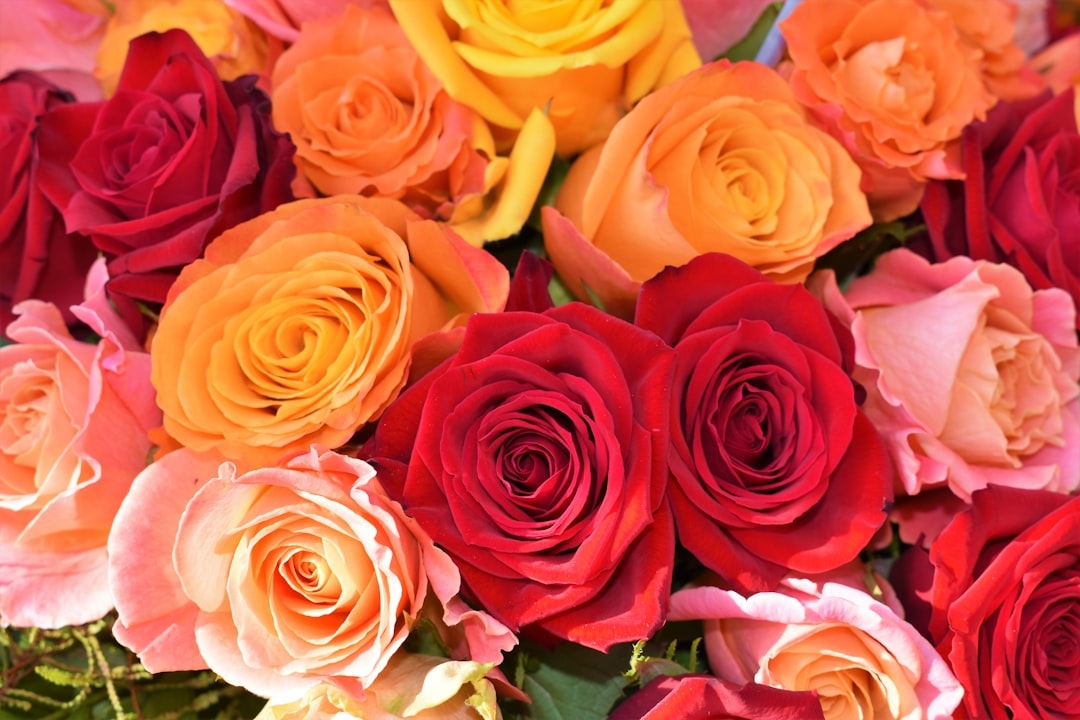
- Romantic occasions: Red roses remain the clearest symbol of love and passion. A dozen red roses on Valentine’s Day or an anniversary says exactly what it needs to say without ambiguity.
- Birthdays: Pink and peach roses carry warmth and joy without the romantic connotation, making them ideal for friends, parents, and colleagues.
- Sympathy and grief: White roses are widely used at memorial services and to express condolences — they convey respect and quiet comfort.
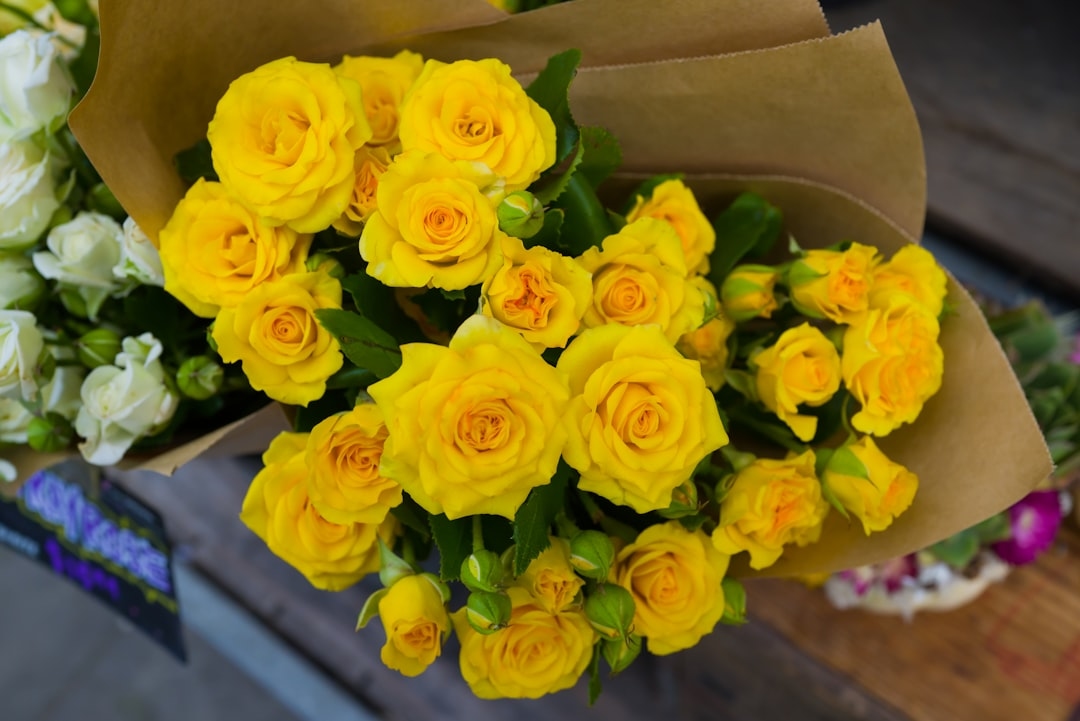
- Congratulations: Yellow roses signal friendship and achievement. Gifting them to someone who just got promoted or graduated hits exactly the right note.
- Apologies: There’s a reason “say it with flowers” exists. A thoughtful bouquet can open a door that words have closed.
This versatility is a major reason why rose delivery has grown into one of the most ordered gift categories year-round, not just around Valentine’s Day. FlowersCNJ’s data reflects this — their rose orders spike not just in February but around Mother’s Day, anniversaries, and even spontaneous “just because” purchases throughout the year.
What Makes a Rose Bouquet Feel Truly Special
Not all rose bouquets are equal. The difference between a grocery store bunch wrapped in cellophane and a professionally arranged bouquet from a specialty florist is immediately visible — and deeply felt by the person receiving it.
Several factors determine how impressive a bouquet actually is:
- Stem length and bud size: Longer stems signal premium quality. Full, tightly closed buds that gradually open last longer and look more luxurious.
- Freshness: Roses sourced from reliable growers and cut within 24–48 hours of delivery maintain their fragrance and color far longer than those sitting in a warehouse for days.
- Arrangement and greenery: The way foliage and filler flowers complement the roses changes the entire visual impact. A thoughtfully arranged bouquet looks intentional, not rushed.
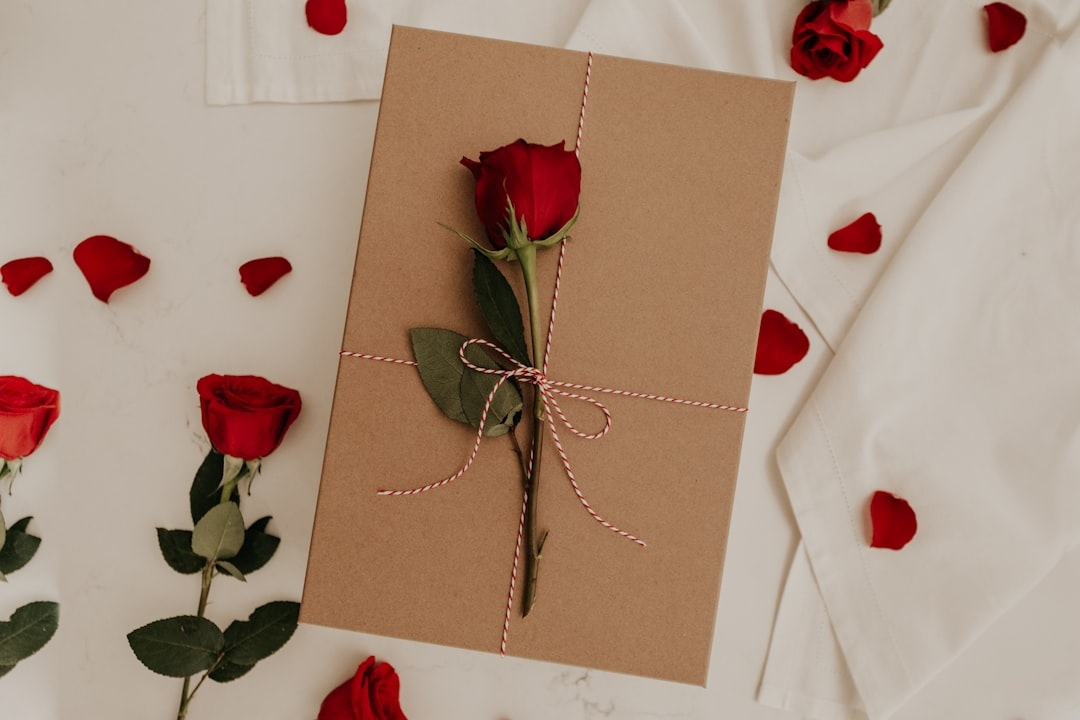
- Presentation: Wrapped kraft paper, satin ribbon, a typed message card — the packaging communicates care before the flowers even come out.
FlowersCNJ has built its reputation around these details. Sarah Chen, a certified floral designer and event stylist based in the New York metro area, puts it plainly: “The single most common feedback I get from clients after flower gifts is whether the stems were fresh when they arrived. You can have the most beautiful arrangement in the world, but if it’s already halfway wilted by delivery day, the entire emotional impact is gone. That’s why sourcing and timing matter more than anything else.”
A Real Example: When Roses Made the Difference
Marcus, a client from Edison, New Jersey, ordered a 24-stem red and blush rose bouquet from FlowersCNJ for his wife’s fortieth birthday. He was traveling for work and couldn’t be there in person. He requested same-day delivery with a handwritten card. The bouquet arrived mid-morning, perfectly arranged, in full bud.
His wife sent him a photo immediately. She said it was the most beautiful birthday gift she’d received in years — not because of the price, but because of what it meant that he’d arranged something that beautiful despite being three states away. The roses lasted nine days. The memory lasted considerably longer.
That story isn’t unique. It’s repeated hundreds of times over by people who discover that a well-sourced, properly arranged rose bouquet lands harder emotionally than nearly anything else you can order online.
Why Delivery Specifically Amplifies the Impact
There’s something about receiving flowers at the door — or at the office, in front of colleagues — that multiplies the emotional effect. Delivery creates a moment. It’s unexpected, public in the best way, and tangible proof that someone put thought and effort into making you feel special from a distance.
This is particularly relevant post-pandemic, when long-distance relationships (romantic and familial alike) have become more common, and the need to mark occasions across miles has only grown. Roses bouquet delivery bridges that gap in a way that a text or an e-card simply can’t.
FAQ: Roses Bouquet Delivery
How long do delivered roses typically last?
With proper care — trimmed stems, fresh water changed every two days, kept away from direct sunlight and heat — roses from a quality florist should last 7–10 days. FlowersCNJ roses, sourced fresh and delivered same-day or next-day, consistently hit that range.
What’s the most popular rose color for gifts?
Red remains the top-ordered color year-round, accounting for roughly 40% of all rose bouquet sales. Pink comes in second, particularly for birthdays and Mother’s Day. White roses spike around sympathy occasions and weddings.
Is roses bouquet delivery appropriate for men?
Absolutely. Single-stem or three-stem arrangements, or mixed bouquets with bold colors and architectural greenery, are increasingly popular gifts for men — for birthdays, graduations, or to mark professional achievements.
What’s the difference between a dozen roses and a bouquet?
A dozen roses is a specific quantity (12 stems), while a bouquet refers to any arranged grouping of flowers. Many bouquets contain exactly a dozen, but premium arrangements often go higher — 24, 36, or 50 stems — for a more dramatic visual impact.
Can I schedule rose delivery for a specific time?
Most quality florists, including FlowersCNJ, offer time-window scheduling for deliveries. Ordering in advance (at least 24 hours) gives you the best flexibility for morning, midday, or afternoon delivery slots.
Roses have endured as the world’s most gifted flower not out of habit, but because they genuinely work. They communicate, they last, they’re beautiful — and when they arrive fresh at someone’s door through a service that cares about every stem, they create the kind of moment people talk about for years. That’s a lot to ask of a gift. Roses deliver.