Contents:
- What are the rules for sending flowers between gay best friends? (Featured Snippet)
- When Flowers Say More Than Words: The Context of Friendship Floristry
- Flowers in LGBTQ+ Friendships
- US Flower-Gifting Trends Among Friends
- Choosing the Right Flowers: Bouquets with Personality
- Go Beyond Red Roses
- Customizing for Meaning
- Flower-Gifting Etiquette: Timing, Note Cards, and Public Delivery
- When to Send Flowers
- What to Write in the Card
- Public vs. Private Delivery
- Navigating Boundaries and Misunderstandings
- Mixing Signals
- Respecting Privacy and Preferences
- How Much Should You Spend? Price Brackets for Platonic Bouquets
- Making Flowers Part of Your Friendship Ritual
- Repeating Gestures
- Digital Alternatives
- FAQ: Featured Snippet Answers
- Are flowers between gay best friends considered romantic?
- What is the most common flower sent between gay friends in the US?
- Can I send flowers to my gay friend for Pride?
- What should I write on the card to keep it friendly?
- How do I avoid making things awkward with flowers?
- Next Steps: Start Your Own Friendship Bloom Tradition
Flowers Between Gay Best Friends: The Unspoken Rules of Floristry and Friendship
“Do gay best friends send each other flowers?” It’s not a question you see trending on Twitter, but ask any florist in the Bay Area or Brooklyn and they’ll grin knowingly. Flower culture has changed. In 2026, it’s not just about romance or apologies–flowers have become a nuanced language between friends, especially in LGBTQ+ circles. A playful bouquet can say “thank you for brunch” or “sorry about your breakup” with more style than a text ever could.
But even in the most open friendships, there are subtle rules. Too many roses might trigger questions. Sunflowers? Universally safe–unless your friend is allergic (double-check!). Here’s what every gay best friend in America needs to know before sending a floral surprise.
What are the rules for sending flowers between gay best friends? (Featured Snippet)
Flowers between gay best friends are about thoughtfulness, timing, and intent. Avoid overly romantic flowers like red roses unless your dynamic calls for it. Choose arrangements that reflect inside jokes, shared aesthetics, or favorite colors. Always include a personal note (even if it’s a meme). If the gift marks a birthday, milestone, or “just because,” make the reason clear. Above all, respect boundaries–ask if they’re comfortable receiving flowers publicly, especially at work or among family.
When Flowers Say More Than Words: The Context of Friendship Floristry
Flowers in LGBTQ+ Friendships
Perfumer and floral designer Marc Leibel, whose West Village studio specializes in “friendship bouquets,” notes that “over 40% of our 2025 orders between men listed ‘platonic appreciation’ as the occasion.” With friendship as the foundation, the message shifts from passion to playful support.
US Flower-Gifting Trends Among Friends
According to the National Florist Association’s 2026 report, non-romantic flower gifting is up 18% year-over-year, especially in metropolitan LGBTQ+ communities. Urban Stems and The Bouqs Co. both report spikes in “just because” bouquets, often going to friends rather than romantic partners.
Pull-Quote
“Flowers between gay best friends are subversive: they reclaim beauty for everyday gratitude, not just romance.”
– Marc Leibel, West Village floral designer
Choosing the Right Flowers: Bouquets with Personality
Go Beyond Red Roses
There’s nothing wrong with red roses, but they’re the floral equivalent of all-caps texting: bold, emotional, and potentially misunderstood. For gay best friends, the sweet spot is in arrangements with:
- Sunflowers: Uplifting and gender-neutral.
- Peonies: Plush, playful, never too serious.
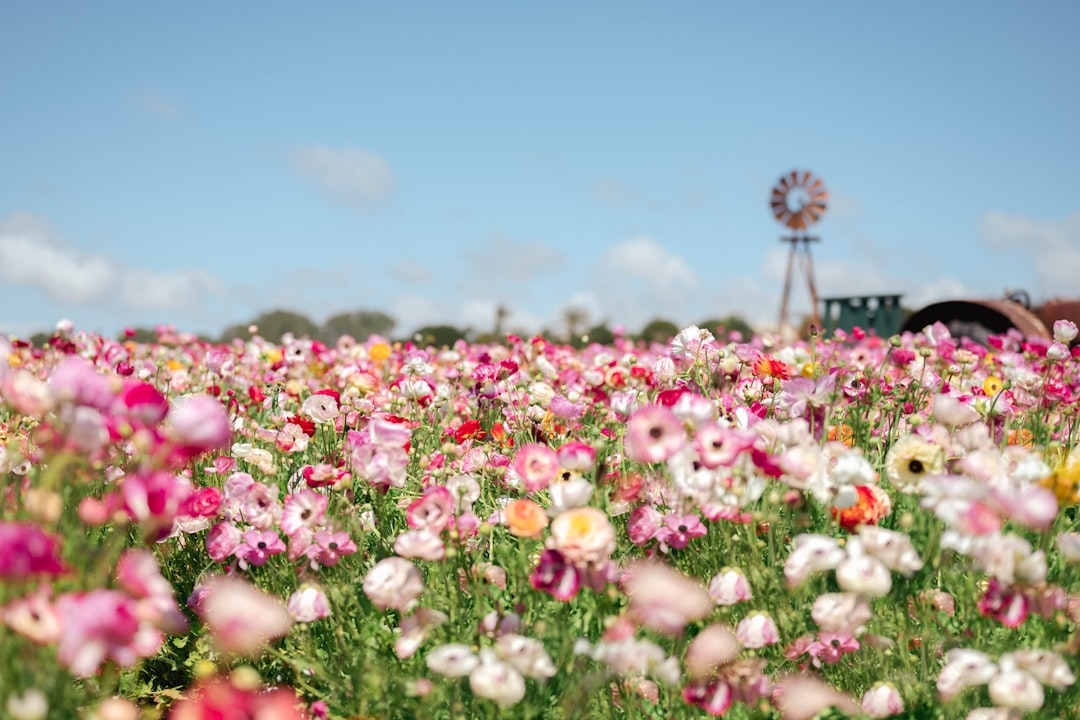
- Ranunculus: Whimsical and Instagram-friendly.
- Eucalyptus: Modern, fresh, and a little unexpected.
- Anemones: Colorful with a wink of drama.
Customizing for Meaning
Match your bouquet to your friend’s taste. If he’s obsessed with RuPaul’s Drag Race, try bold, saturated colors and glitter accents. For the plant nerd, include air plants or succulents that last beyond the weekend.
Pro tip: Local florists can usually accommodate custom requests. In Portland, Wild Floral Studio reports that 1 in 3 “friend bouquets” now include a non-traditional bloom, such as protea or thistle–flowers that stand out as much as your bestie’s personality.
Flower-Gifting Etiquette: Timing, Note Cards, and Public Delivery
When to Send Flowers
Not every occasion needs a bouquet. Here are the best (and worst) times:
Best Occasions:
- Birthdays
- Post-breakup support
- Congratulatory milestones (new job, finished a marathon, moved to a new city)
- Pride celebrations (rainbow arrangements are trending!)
- Just because (especially after a tough week)
Times to Hold Off:
- During family events unless you’re sure it’s welcome
- As a workaround for serious conversations (flowers can’t do the talking for you)
- After a disagreement–clarify things first, then send the blooms
What to Write in the Card
Skip clichés like “thinking of you.” Instead, tie the note to your shared humor or history:
- “Congrats on adulting another year–flowers are cheaper than therapy.”
- “You survived the breakup. Here’s proof we all bloom again.”
- “Pride blooms eternal, queen.”
Make it personal, and never anonymous. Mystery flowers can spiral into awkward text exchanges.
Public vs. Private Delivery
Some love the drama of a surprise bouquet at work. Others dread the attention. Before you send, ask: “How do you feel about getting flowers at your office?” If you’re using a national service like 1-800-Flowers, delivery instructions matter–request morning drop-off for offices, evening for homes.
Navigating Boundaries and Misunderstandings
Mixing Signals
A splashy arrangement of red roses with a handwritten “I adore you” can muddy waters. As Dr. Janelle Ortega, queer relationships counselor in Chicago, explains: “Flowers have unspoken emotional codes, especially among gay men. The right bouquet says, ‘I see you,’ not ‘I’m in love with you.’”
Comparison Table: Flower Meanings Between Friends
| Flower Type | Message in Platonic Context | Potential Romantic Overtones |
|---|---|---|
| Red Roses | Too intense for most friendships | Very strong |
| Sunflowers | Warmth, positivity | Minimal |
| Orchids | High style, respect, admiration | Medium |
| Wildflowers | Playful, fun, relaxed | Minimal |
| Tulips | Cheerfulness, fresh starts | Slight, especially red ones |
Respecting Privacy and Preferences
Not everyone is a flower person. Some deal with allergies, minimalism, or trauma around public gestures. Best practice: bring up flowers casually (“What’s your favorite flower anyway?”) months before you ever send any. That way, it feels organic, not forced.
How Much Should You Spend? Price Brackets for Platonic Bouquets
According to Urban Stems’ 2026 pricing guide:
- Small gesture: $40-$60 (standard arrangement)
- Special occasion: $75-$120 (deluxe, with custom add-ons)
- Extravagant: $150+ (statement pieces, designer brands like Farmgirl Flowers)
A survey by NYC’s Stems & Co. found that among LGBTQ+ friends, the average spend in 2025 was $67 for a non-romantic bouquet–about 20% higher than the national average. Customization, unique stems, and delivery in urban areas drive up the price.
Tip: Always include delivery charges (from $12 to $20) and tax when budgeting.
Making Flowers Part of Your Friendship Ritual
Repeating Gestures
Some gay best friends turn flower-giving into a yearly ritual. Think: an annual “Anti-Valentine’s Day” bouquet, or a recurring Pride arrangement. These traditions keep the language of flowers alive in friendship, rather than letting it wilt into romantic cliché.
Digital Alternatives
If your friend is long-distance, consider virtual bouquets or monthly flower subscriptions (BloomsyBox, Enjoy Flowers) so your gesture lasts beyond a single day. In 2026, more than 33% of LGBTQ+ flower orders are for recurring subscriptions, according to The Bouqs Co.
FAQ: Featured Snippet Answers
Are flowers between gay best friends considered romantic?
No, flowers between gay best friends are usually seen as a sign of appreciation, support, or celebration–not romance–when chosen and messaged with clear intent. Avoid romantic flower types like red roses and overly intimate notes to keep the gesture platonic.
What is the most common flower sent between gay friends in the US?
In 2026, sunflowers and mixed wildflower bouquets are the most popular choices for platonic gifting among gay best friends in the US, according to data from Urban Stems and The Bouqs Co.
Can I send flowers to my gay friend for Pride?
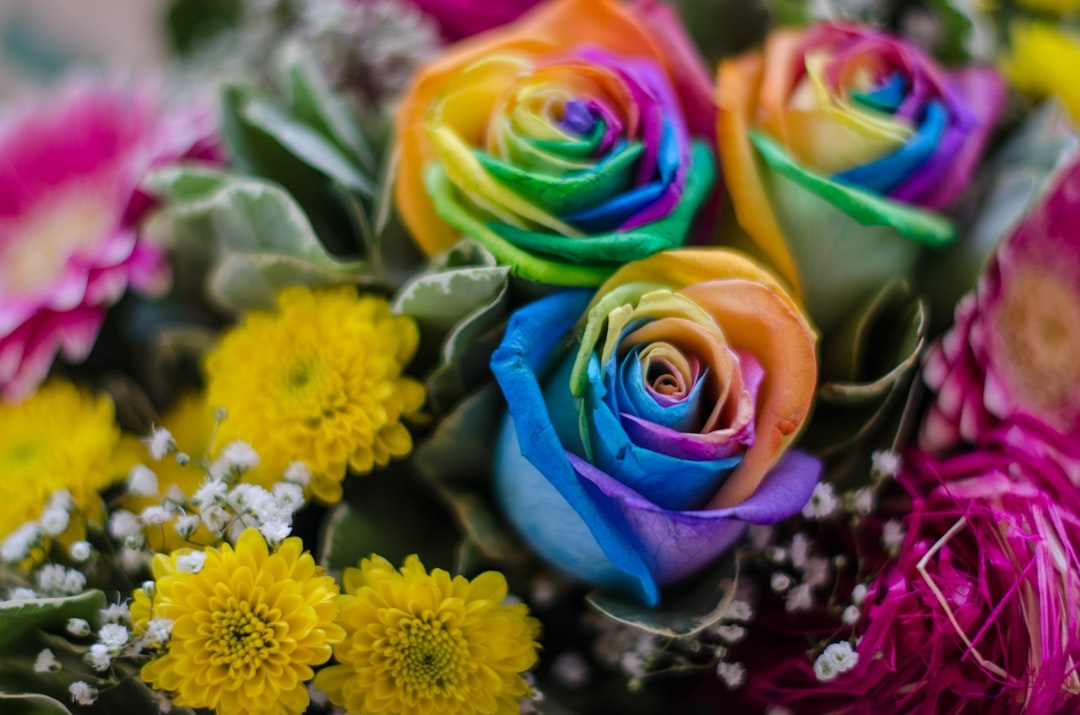
Absolutely–sending flowers for Pride is a popular trend, especially rainbow-colored arrangements or bouquets featuring vibrant, bold stems. Many national florists offer Pride-themed bouquets during June.
What should I write on the card to keep it friendly?
Keep card messages light, personal, and rooted in your shared humor or memories. Avoid lines that can be misinterpreted romantically. A bit of inside joking is usually welcome.
How do I avoid making things awkward with flowers?
Choose neutral or cheerful flowers, avoid red roses, and include a clear, platonic note. When in doubt, ask your friend casually about their floral preferences ahead of time.
Next Steps: Start Your Own Friendship Bloom Tradition
Want your friendship to stand out in 2026? Pick a quirky flower, invent a yearly ritual, or surprise your bestie with a bouquet-after-brunch. Flowers between gay best friends aren’t about labels–they’re about joy, support, and everyday celebration. Call your local florist, or set a calendar reminder for that annual “bromance bouquet.” The petals will fade, but trust me–the gesture blooms on.