Contents:
- What Is a Drought-Tolerant Cutting Garden? (Scannable Answer)
- Why Choose Drought-Tolerant Flowers for Cutting Gardens?
- How to Plan a Drought-Tolerant Cutting Garden
- Group by Water Needs
- Location, Location, Location
- Bed Preparation
- Spacing and Succession
- Top Drought-Tolerant Cut Flowers (US Varieties)
- Water-Saving Strategies for a Cutting Garden
- Embrace Mulch and Shade
- Smart Irrigation
- Drip vs. Overhead
- Arranging and Harvesting: Getting the Most From Your Blooms
- When to Harvest
- Extending Vase Life
- Sustainable Floristry
- Budgeting a Drought-Tolerant Cutting Garden
- Drought-Tolerant Cutting Garden FAQ
- What are the best flowers for a drought-tolerant cutting garden in the US?
- How often should I water a drought-tolerant cutting garden?
- Do drought-tolerant flowers attract pollinators?
- Can these gardens work in humid or cooler US regions?
- Are there any native US flowers that are both drought-tolerant and good for cutting?
- Ready to Trade Sprinklers for Shears?
Drought-Tolerant Cutting Garden Design: Blooms That Beat the Heat
A vase packed with homegrown flowers seems almost magical when your yard hasn’t seen rain in weeks. In states from California to Texas, water-wise gardeners are challenging the myth that dry regions can’t supply armloads of fresh bouquets. In fact, a smartly designed drought-tolerant cutting garden doesn’t just survive scorching summers – it flourishes, offering color, pollinator action, and the ultimate bragging rights all season long.
What Is a Drought-Tolerant Cutting Garden? (Scannable Answer)
A drought-tolerant cutting garden is a planting area intentionally designed with flowers and foliage that thrive in low-water conditions, providing stems for indoor arrangements. It combines varieties like yarrow, lavender, zinnias, and rudbeckia – all of which bloom with minimal irrigation. The result: fresh, vase-worthy flowers for weeks, even during water restrictions.
Why Choose Drought-Tolerant Flowers for Cutting Gardens?
Let’s face it: Droughts aren’t rare oddities anymore. According to the National Integrated Drought Information System (NIDIS), as of spring 2026, over 40% of the continental U.S. experiences moderate drought or worse each year. Municipal water bills in cities like Los Angeles or Phoenix commonly top $150 a month during peak summer. Meanwhile, more states are enacting restrictions on outdoor water use.
But here’s the pleasant surprise: Many of the most reliable and beautiful cut flowers actually prefer drier conditions. Yarrow, scabiosa, coneflower (Echinacea), and globe amaranth are not just pretty faces; they’re adapted to survive with just 1 inch of water weekly – sometimes less once established. Planting them means fewer hoses, smaller bills, and guilt-free bouquets.
<blockquote>
“Drought-tolerant cutting gardens are in high demand because they deliver consistent, florist-quality stems with way less maintenance,” says Melinda Fox, AIFD-certified florist in Tucson. “You don’t need to sacrifice variety or color.”
</blockquote>
How to Plan a Drought-Tolerant Cutting Garden
Designing a cutting garden in a dry climate is less about deprivation and more about smart choices. Start with these steps:
1. Group by Water Needs
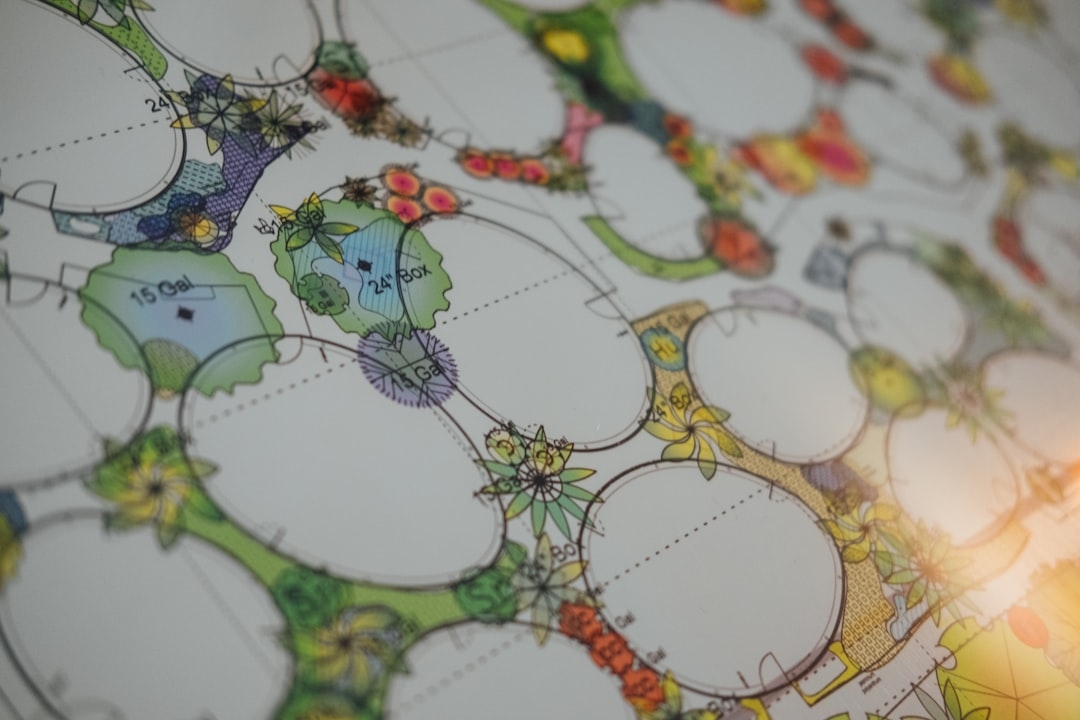
Even the toughest flowers have different thirst levels. Planting in clusters or “hydrozones” lets you water efficiently:
- High drought-tolerance: Achillea (yarrow), lavender, salvia, globe thistle, statice
- Moderate drought-tolerance: Zinnia, rudbeckia, cosmos, sunflowers (Helianthus)
- Occasional deep watering: Dahlias (choose open-pollinated types), certain roses like ‘Iceberg’ or ‘Knock Out’
2. Location, Location, Location
- Sun: Most cutting flowers want 6+ hours of direct sun. South- or west-facing beds are best.
- Drainage: Raised beds or loamy sand prevent root rot during rare downpours.
- Wind: In hot climates, a windbreak (lattice, native shrubs) helps flowers keep moisture longer.
3. Bed Preparation
- Soil: Mix 2-3 inches of compost into native soil to boost water retention.
- Mulch: A 2-inch layer of pine bark or straw keeps soil cool and reduces evaporation by up to 70% (source: USDA NRCS).
- Drip irrigation: If allowed, install soaker hoses on a timer. Hand watering is fine for small beds.
4. Spacing and Succession
Leave 9-12 inches between plants for airflow. For continuous harvest, stagger sowing of quick-bloomers like zinnias or cosmos every 2-3 weeks from April to July.
Top Drought-Tolerant Cut Flowers (US Varieties)
Here’s a shortlist tested in U.S. florists’ gardens, with bloom times and cutting notes.
| Flower | Bloom Span (Zones 4-10) | Vase Life | Cutting Tips |
|---|---|---|---|
| Yarrow (Achillea) | June-Sept | 7-10 days | Cut when florets fully open |
| Lavender | May-July | 7 days+ | Harvest just as buds open |
| Zinnia | June-Frost | 7 days | Cut when petals fully expanded |
| Scabiosa | May-Sept | 6-8 days | Pick when center is “puffed” |
| Rudbeckia (Black-Eyed Susan) | July-Frost | 7 days | Snip when centers are dark & firm |
| Globe Amaranth | July-Oct | 14+ days | Excellent fresh or dried |
| Statice | June-Sept | 10+ days | Great for dried arrangements |
| Echinacea | July-Frost | 6-8 days | Pick as petals start to reflex |
| Cosmos | June-Frost | 5-7 days | Harvest when first petals unfurl |
| Sunflower (open-pollinated) | July-Frost | 6-8 days | Choose pollenless for cleaner vases |
Pro tip: For scented bouquets, tuck in culinary herbs: rosemary, sage, and oregano bloom reliably in tough conditions and play well with bolder flowers.
Water-Saving Strategies for a Cutting Garden
Embrace Mulch and Shade
Mulch isn’t just for looks. According to Dr. Jasmine Lin, horticulturist at UC Davis (2026), “A 2-3 inch mulch layer can reduce evaporation by more than 50% and cool root zones by 10°F.” In the hottest months, rig up floating row covers or shade cloth (30% shade) over new plantings.
Smart Irrigation
- Use a moisture meter ($15 at most US garden centers) to gauge when beds are actually dry 2 inches down.
- Water deeply, less frequently: Aim for a slow, 45-minute soak at soil level every 7-10 days, not daily sprinkles.
- Morning is best: water before 9am to minimize fungal disease and evaporation.
Drip vs. Overhead
If local codes allow, drip or soaker hoses are up to 80% more efficient than sprinklers. For small suburban gardens, a 50-foot soaker kit from brands like Raindrip ($30-$60 at Home Depot) can be installed in an hour.
Arranging and Harvesting: Getting the Most From Your Blooms
When to Harvest
- Early morning is ideal – before sun wilts the stems.
- Use sanitized, sharp snips. Dull blades can crush stems and shorten vase life.
- Immediately place cut stems in clean, cool water with floral preservative (or 2 drops bleach + 1 tsp sugar per quart).
Extending Vase Life
- Remove all foliage below the water line.
- Change water daily and re-cut stems at an angle.
- For stubborn droopers (like scabiosa), submerge in cool water for 30 minutes.
Sustainable Floristry
If you’re selling bouquets locally, many buyers now expect environmentally-friendly practices. Skip floral foam (Oasis) and opt for compostable wraps or mason jars. Some U.S. flower-delivery services (e.g., Slow Flowers or Farmgirl Flowers) sell certified-American-grown bouquets with a sustainability focus.
Budgeting a Drought-Tolerant Cutting Garden
Starting from scratch doesn’t have to break the bank. Here’s a breakdown for a 100 sq. ft. bed (typical suburban front yard) in 2026:
- Seeds: $30-$50 (Johnny’s, Floret, Baker Creek)
- Compost and mulch: $60-$80 (delivered locally)
- Drip irrigation kit: $40-$80
- Tools (snips, spade, gloves): $50-$100 (if not already owned)
Total first-year cost: $180-$310
Cut-flower bouquets at the grocery store: ~$20 each
Even modest harvests (one bouquet per week, June-September) easily offset startup costs in your very first summer.
Drought-Tolerant Cutting Garden FAQ
What are the best flowers for a drought-tolerant cutting garden in the US?
Top choices include yarrow, lavender, zinnias, scabiosa, globe amaranth, rudbeckia, statice, cosmos, and open-pollinated sunflowers. These thrive in most U.S. climates with low water and produce abundant blooms for arrangements.
How often should I water a drought-tolerant cutting garden?
Established drought-tolerant flowers require deep watering every 7-14 days, depending on temperature and rainfall. Newly planted seeds or transplants need more frequent watering until roots are established.
Do drought-tolerant flowers attract pollinators?
Yes, many drought-adapted flowers like coneflower, lavender, and salvia are magnets for bees, butterflies, and even hummingbirds, supporting local ecosystems as well as providing cut stems.
Can these gardens work in humid or cooler US regions?
Absolutely. Drought-tolerant cutting gardens excel in dry Southwest and West Coast climates but also perform well in the Midwest, Southeast, and even Northeast during dry spells. Just ensure excellent drainage and full sun.
Are there any native US flowers that are both drought-tolerant and good for cutting?
Yes. Blanket flower (Gaillardia), coreopsis, prairie coneflower (Ratibida), and black-eyed Susan (Rudbeckia hirta) are all American natives that suit dry gardens and make lovely, long-lasting cut stems.
Ready to Trade Sprinklers for Shears?
Start small, maybe with a 4×8 bed or even a few whiskey barrels. Pick three drought-tolerant stars and track how much water you save. Snap your first homegrown bouquet, then share it with a neighbor who still believes “water-wise” means boring. In 2026, a beautiful, sustainable cutting garden isn’t just possible in dry regions – it’s the new American summer tradition.