Contents:
- What Is a Dried Flower Wreath Subscription Box?
- Why Americans Are Loving Dried Flower Wreath Subscriptions
- Zero Fuss, Zero Maintenance
- Sustainability That Shows
- Always on Trend
- Subscription Box Comparison Table (2026 US Market)
- What to Expect Inside the Box
- Unboxing Experience
- Design Themes
- A Gift That Keeps Giving
- How to Choose the Right Subscription for You
- Consider Size and Placement
- Style Preferences
- Sustainability and US Sourcing
- Flexible Delivery
- Dried Wreath Care: Getting the Most From Your Subscription
- Who Benefits Most From Dried Flower Wreath Subscriptions?
- Home Decor Enthusiasts
- Businesses and Offices
- Gifting Made Easy
- Allergy Considerations
- Pull-Quote
- Frequently Asked Questions
- What types of flowers are used in dried flower wreath subscription boxes?
- How long does a dried flower wreath last?
- Are dried flower wreaths safe for homes with pets?
- Can I customize my dried flower wreath subscription?
- How do I pause or cancel my dried flower wreath subscription?
- Ready for Wreaths That Last?
Dried Flower Wreath Subscription Boxes: The Modern Way to Bring Lasting Blooms Home
A lush wreath of peonies and eucalyptus, preserved to perfection, arrives at your door–not just once, but month after month. No spilled water, no wilting disappointment. Dried flower wreath subscription boxes have become the secret weapon for home decorators, gift-givers, and anyone craving beauty that outlasts fleeting fresh bouquets. It’s a little bit of nature, expertly crafted, delivered right on schedule.
What Is a Dried Flower Wreath Subscription Box?
A dried flower wreath subscription box is a recurring delivery service that sends you a seasonally curated wreath made from preserved or naturally dried flowers and foliage. Think of it as a flower-of-the-month club, but each delivery is a uniquely designed, long-lasting wreath ready to hang. Subscribers choose the frequency–usually monthly, quarterly, or by season–and each box includes a finished wreath crafted by professional florists. Popular in the US for home decor, special occasions, and easy gifting, these subscriptions combine artisanal design with the unmatched longevity of dried botanicals.
Key Points:
- Delivers new, themed dried flower wreaths to your door.
- Typically crafted from a mix of US-grown and imported botanicals.
- No water, maintenance, or sunlight required–these arrangements last for months to years.
- Prices range from $70 to $150 per box (as of 2026).
- Options available for gifting, seasonal refreshes, or home/office use.
Why Americans Are Loving Dried Flower Wreath Subscriptions
Florists have seen dried flower sales soar in the last five years. According to the American Institute of Floral Designers (AIFD), demand for preserved and dried florals jumped 37% nationwide between 2022 and 2025. It’s not just about aesthetics–the dried craze is about lifestyle.
Zero Fuss, Zero Maintenance
Forget changing water or trimming stems. Dried wreaths don’t shed petals, fade in days, or droop sadly after a week. A eucalyptus and lavender ring from a provider like East Olivia or UrbanStems can look stunning all season–and then some.
Sustainability That Shows
Dried arrangements are a hit with eco-conscious shoppers. “Our wreaths are made using flowers leftover from fresh bouquets–nothing goes to waste,” says Maya Roberts, creative director at Blossom & Pine, a subscription box startup in Seattle. With fewer shipments and less packaging than weekly fresh flower deliveries, dried subscriptions cut down on floral carbon footprints.
Always on Trend
From bohemian pampas to wintery sprigs of magnolia, dried wreaths align effortlessly with 2026’s home decor trends. Interior designers like Julianne Roan note, “Clients love pieces that change with the seasons but don’t require weekly care.” It’s why subscription models are popular for kitchen nooks, entryways, even office lobbies.
Subscription Box Comparison Table (2026 US Market)
| Brand | Price per Box | Wreath Size | Frequency | Customization | Ships From |
|---|---|---|---|---|---|
| UrbanStems | $85 | 18″ | Monthly/Quarterly | Yes (colors, style) | New York, NY |
| East Olivia | $120 | 22″ | Seasonal | Limited (palette) | Los Angeles, CA |
| The Sill | $95 | 16″ | Monthly/Seasonal | Yes | Jersey City, NJ |
| Farmgirl Flowers | $110 | 20″ | Monthly | No | San Francisco, CA |
| Blossom & Pine | $75 | 14″ | Seasonal | Yes (rustic/modern) | Seattle, WA |
“A truly good wreath should outlast your cravings for pumpkin spice lattes.”–Maya Roberts, Creative Director, Blossom & Pine
What to Expect Inside the Box
Unboxing Experience
Open the package and you’re greeted by a finished, ready-to-hang wreath, often cushioned in recyclable packaging. Most brands include a card detailing the origin of the botanicals–US-grown strawflowers, imported Italian ruscus, homegrown lavender, and so on.
Design Themes
- Spring: Pastel daisies, bunny tails, baby’s breath.
- Summer: Sunbleached grasses, vibrant statice, wildflowers.
- Fall: Orange strawflowers, eucalyptus, wheat, preserved oak.
- Winter: Pine, cedar, white larkspur, berries.
Some subscriptions invite customers to select a color palette or style (minimalist, farmhouse, bold). Every wreath is unique–crafted by hand, not mass produced.
A Gift That Keeps Giving
Nearly 30% of US subscribers in 2025 chose dried flower wreath subscriptions as year-round gifts for birthdays or holidays (source: US Florist Association survey, 2025). The appeal: Every delivery is a fresh surprise, with zero need for the recipient to fuss or maintain.
How to Choose the Right Subscription for You
Consider Size and Placement
Measure your space. An 18″ wreath is the US standard for doors. Go larger (22″ or more) for above the mantel; smaller (14″ or under) for gallery walls or bathrooms.
Style Preferences
Scan past collections on company websites. Some, like East Olivia, skew whimsical and boho, while others (Farmgirl Flowers) lean classic or rustic. Look for brands that let you customize colors or themes.
Sustainability and US Sourcing
Prefer American-grown flowers? Brands like The Sill and Blossom & Pine prioritize US farms and even donate a portion of sales to local growers’ co-ops.
Flexible Delivery
If you travel or want to pause deliveries, check that subscriptions allow skips, rescheduling, or easy cancellations. Most major US brands offer customer portals for self-service.
Dried Wreath Care: Getting the Most From Your Subscription
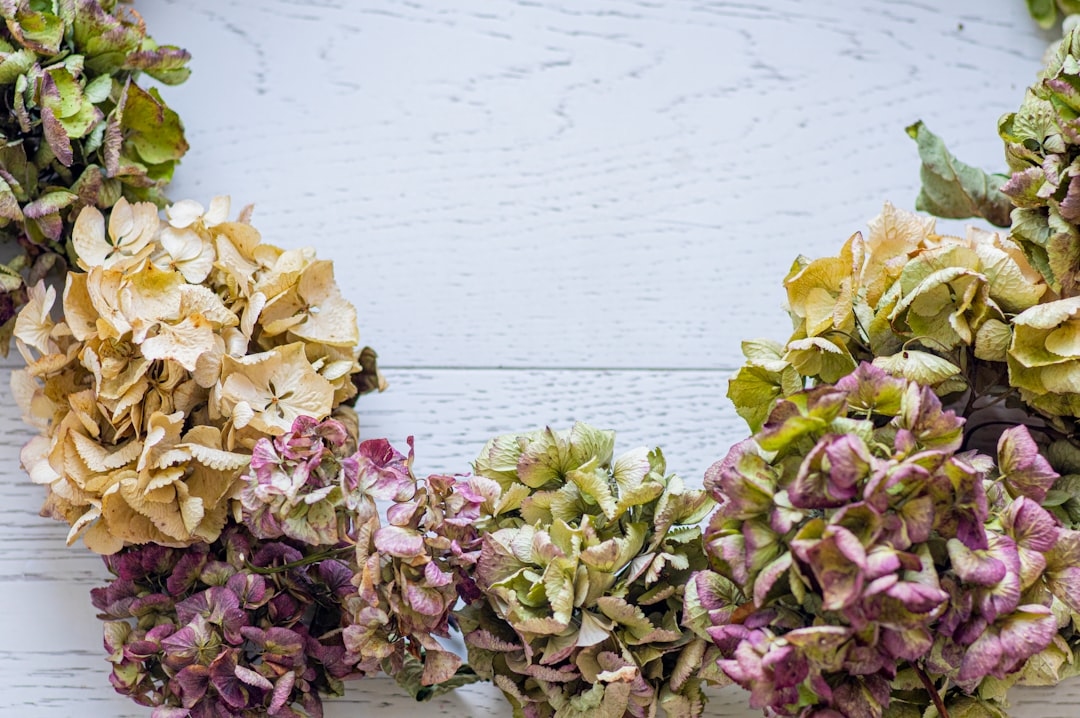
“Keep wreaths in shaded spots, away from direct sunlight and humidity, for best longevity,” advises Dr. Lara Jenks, PhD in Plant Sciences, Rutgers University. Here’s how Americans are making their dried wreaths last 12 months or longer:
Care Tips:
- Dust gently with a soft brush or hairdryer on cool setting once a month.
- Store seasonally in a breathable bag, flat, and avoid stacking heavy items on top.
- Avoid hanging above steamy stovetops or in direct sun to prevent color fading.
A dried eucalyptus and rose wreath from UrbanStems, kept in a shaded hallway, can retain beauty for 18 months or more–compared to 7-10 days for a fresh bouquet.
Who Benefits Most From Dried Flower Wreath Subscriptions?
Home Decor Enthusiasts
Monthly wreath deliveries offer effortless seasonal decorating. No time to hit the farmer’s market? Your new autumn-themed wreath will show up right on cue.
Businesses and Offices
Reception areas, salons, and boutique hotels benefit from statement pieces that require little upkeep. Some services offer bulk rates for commercial accounts–ask directly for quotes.
Gifting Made Easy
Looking for a unique Mother’s Day, hostess, or birthday gift? Wreath subscriptions are a standout alternative to the standard flower delivery. In a 2025 survey by GiftNow, 42% of respondents said they’d rather receive a dried floral arrangement than a fresh bouquet.
Allergy Considerations
Dried florals shed less and don’t carry the pollen load of fresh flowers, making them a thoughtful option for allergy-prone households.
Pull-Quote
“Dried wreaths bridge the gap between art and nature. Every month brings a new palette, and you never have to worry about wilting.”
– Julianne Roan, Interior Designer
Frequently Asked Questions
What types of flowers are used in dried flower wreath subscription boxes?
Most dried flower wreath subscriptions use a blend of US-grown and imported botanicals–strawflower, larkspur, statice, eucalyptus, lavender, and various ornamental grasses. Seasonal options might include wheat, bunny tails (Lagurus ovatus), and even preserved citrus slices for winter themes.
How long does a dried flower wreath last?
Kept out of direct sunlight and away from moisture, a high-quality dried flower wreath can last anywhere from 12 to 24 months. Color will gradually fade over time, but structure and charm remain. For best results, dust occasionally and store properly between seasons.
Are dried flower wreaths safe for homes with pets?
Most dried botanicals are safe if hung out of reach. However, certain varieties (like eucalyptus or some berries) can be mildly toxic to pets if chewed. Always display your wreath in places cats and dogs can’t access, or ask your subscription provider for pet-safe arrangements.
Can I customize my dried flower wreath subscription?
Several US brands, such as The Sill and Blossom & Pine, offer customized palettes, size options, or even special occasion add-ons (holiday bows, monograms). Check the subscription FAQ before you order for customization details.
How do I pause or cancel my dried flower wreath subscription?
Most US-based subscription services allow you to pause, skip, or cancel online with no penalty, as long as you make changes before your next billing cycle. Look for a self-service customer portal or contact their support team–policies may vary by brand.
Ready for Wreaths That Last?
Open your door to beauty that doesn’t fade: explore dried flower wreath subscription boxes for your home or next standout gift. With new US brands popping up each year, and so many styles to choose from, this trend is only picking up steam. Hang your next wreath with pride–and enjoy the staying power of artful, everlasting botanicals.