Contents:
- Why Do Florists Love Freesia? (Direct & Scannable Answer)
- The Power of Perfume: Freesia’s Scent in Modern Floristry
- Freesia Care and Vase Life: Why Florists Count on It
- Resilient Both in Shop and at Home
- Easy to Condition, Beautiful to Watch Unfold
- A Rainbow in One Stem: Freesia’s Unmatched Color Palette
- Matching Any Aesthetic
- Practicality for Florists: Availability and Pricing
- Year-Round Supply and Consistent Pricing
- Sourcing and Sustainability
- Freesia’s Role in Signature Arrangements
- Texture and Form
- Perfect for Modern and Traditional Designs
- Freesia vs. Other Florist Favorites: How Does It Stack Up?
- Tips from the Pros: How Florists Make the Most of Freesia
- The Future of Freesia in US Floristry
- Frequently Asked Questions about Freesia (2026 Edition)
- How long does freesia last after being cut?
- Is freesia available throughout the year in the United States?
- Does freesia have a strong scent?
- What colors does freesia come in?
- Is freesia considered an eco-friendly choice?
What Makes Freesia So Popular with Florists
Picture a vase on a Chicago apartment windowsill. Sunlight streaming in, cutting through the chill, catching the delicate arch of freesia stems and their kaleidoscope of trumpet-shaped blossoms. They look too perfect to be real–and yet, their fragrance is even better than their looks. In 2026, as sustainable floristry and artistic arrangement reinvent what it means to give and receive flowers, freesia is quietly–sometimes fragrantly–everywhere in American floral design.
Why Do Florists Love Freesia? (Direct & Scannable Answer)
Freesia is incredibly popular with florists thanks to its intense, sweet fragrance, long vase life (7-14 days), versatile color range, and elegant, arching form. It consistently elevates mixed arrangements, holds up well in bouquets and boutonnieres, and its scent is a customer favorite. Freesia is also readily available year-round in the US, making it both practical and beautiful for florists coast to coast.
The Power of Perfume: Freesia’s Scent in Modern Floristry
If you’ve ever walked into a flower shop in spring, odds are you’ve caught a hit of freesia’s signature scent–a clean, citrusy-sweet perfume that’s unforgettable. According to Samantha Li, owner of Brooklyn-based “Petal + Stem” and a 2025 National Florist Association speaker, 70% of her clients request freesia for the fragrance alone.
Unlike the fleeting scent of roses (which can diminish after cutting), freesia holds its aroma for days. This staying power is prized in weddings and event florals: a single freesia stem tucked into a bridal bouquet can scent the entire arrangement. No wonder Yankee Candle and Bath & Body Works launched freesia-inspired lines in 2024–customers associate it with freshness, romance, and nostalgia.
“Freesia is like a signature perfume for arrangements. It lingers, and people remember it.”–Samantha Li, florist
Freesia Care and Vase Life: Why Florists Count on It
Resilient Both in Shop and at Home
One of the greatest challenges for florists in the US is delivering arrangements that look stunning out of the box–and still look good days later. Freesia excels here. With proper care, its vase life stretches up to two weeks, outlasting tulips, peonies, and even many standard roses (most of which last 5-7 days).
Florists rely on this longevity, especially for high-touch events and online orders through services like UrbanStems or 1-800-Flowers. In 2026, with more Americans sending flowers for delivery than ever (an estimated 39 million flower deliveries occurred nationwide in 2025, per the Society of American Florists), vase life is make-or-break.
Freesia vase life vs. popular cut flowers (2026 averages):
| Flower | Avg. Vase Life (days) |
|---|---|
| Freesia | 7-14 |
| Tulip | 5-7 |
| Rose | 5-10 |
| Lily | 8-14 |
| Peony | 3-7 |
Easy to Condition, Beautiful to Watch Unfold
Freesia is delivered in bud form. Watching them open is part of the fun–each stem can have 5-8 blooms that unfurl over days. For customers, there’s satisfaction in seeing their bouquet evolve, a detail not lost on florists aiming to create memorable experiences.
A Rainbow in One Stem: Freesia’s Unmatched Color Palette
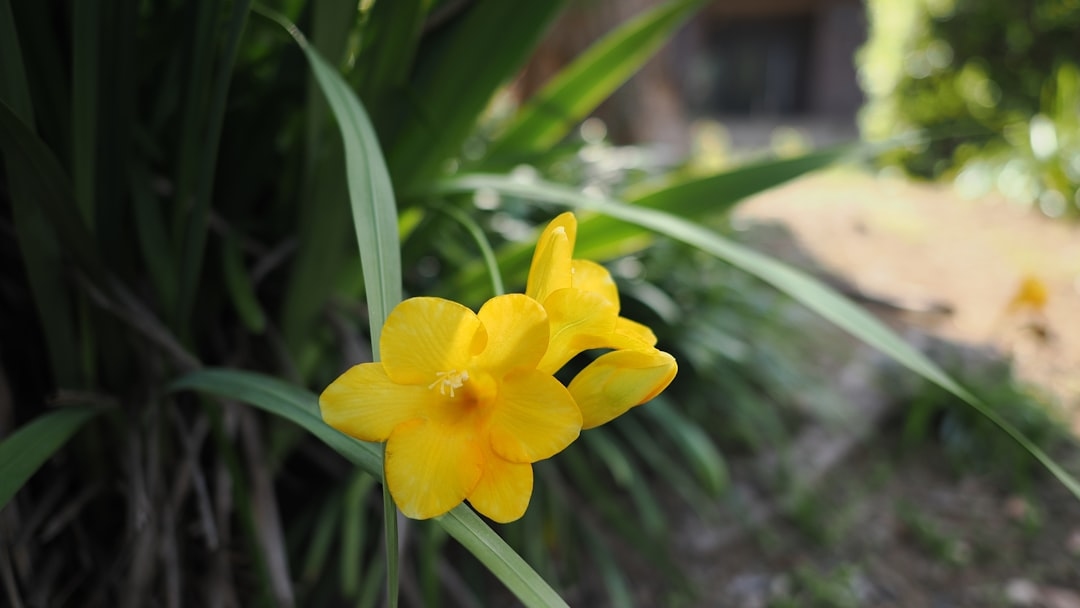
Ask any floral designer: color flexibility is a hidden superpower. Freesia comes in white, yellow, pink, red, purple, lavender, and even bicolor varieties. You’ll see them in pastel spring bouquets, bold summer arrangements, and elegant winter centerpieces.
Matching Any Aesthetic
- Weddings: White and cream varieties for classic, modern, or boho styles.
- Mother’s Day: Yellow and pink for cheerful mixes.
- Corporate/Hotel Lobbies: Purple or bicolor for visual pop.
According to a 2025 survey of 300 US florists, freesia ranked in the top three for “most visually versatile cut flower,” alongside lisianthus and stock.
Practicality for Florists: Availability and Pricing
Year-Round Supply and Consistent Pricing
Most freesia sold in the US is imported from the Netherlands, but California growers also supply the domestic market. Thanks to refrigerated shipping, it’s available 12 months a year–a key reason why it’s a staple for florists, not just a seasonal treat.
In 2026, wholesale prices typically range from $1.60-$2.00 per stem for premium quality, with drops around major holidays due to higher supply. For comparison, premium roses can spike to $3-$4 per stem at Valentine’s Day.
Sourcing and Sustainability
More florists are seeking US-grown freesia to reduce their carbon footprint. “Golden Coast Blooms,” a prominent California grower, reported a 25% increase in freesia acreage between 2022 and 2025 to meet eco-friendly floristry trends.
Freesia’s Role in Signature Arrangements
Texture and Form
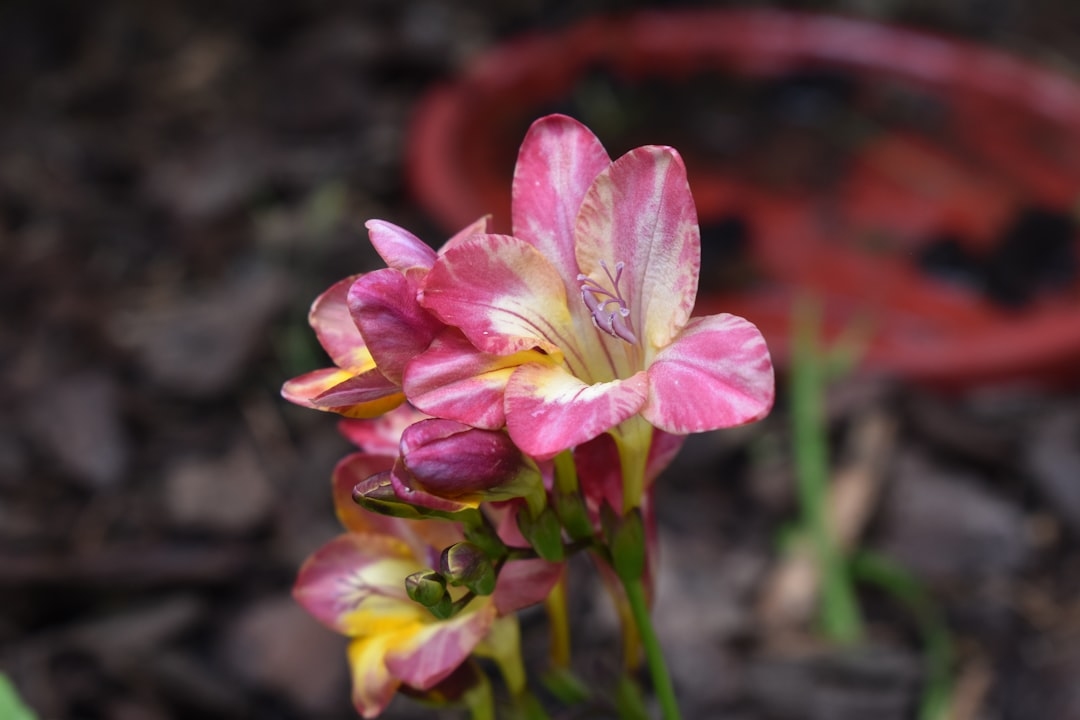
Freesia’s slender, branching stems add gentle curves and fill negative space–something rigid-stemmed flowers can’t do. In hand-tied bouquets and centerpieces, freesia creates movement without overwhelming the main blooms.
Perfect for Modern and Traditional Designs
- Classic English arrangements: Partnered with roses, ranunculus, and greenery
- Minimalist bouquets: Freesia on its own in a sculptural vase (a top trend in 2026 per Architectural Digest)
- Boutonnieres and corsages: Compact blooms, strong stems, and lasting scent make them ideal
Freesia vs. Other Florist Favorites: How Does It Stack Up?
Here’s how freesia compares with other popular florist picks:
| Feature | Freesia | Tulip | Rose | Lily | Lisianthus |
|---|---|---|---|---|---|
| Scent | Strong, sweet, citrusy | Mild/none | Mild to strong, classic | Strong, sometimes spicy | Mild floral |
| Vase Life | 7-14 days | 5-7 days | 5-10 days | 8-14 days | 7-10 days |
| Stem Strength | Medium | Fragile | Strong | Strong | Medium |
| Colors | Wide range | Many | Many | Fewer | Wide range |
| Cost (2026) | $$ | $ | $$$ | $$ | $$ |
| Seasonality | Year-round | Spring | Year-round | Year-round | Year-round |
Tips from the Pros: How Florists Make the Most of Freesia
Florists don’t just toss freesia into a vase and call it a day. Here’s how real pros maximize their impact:
- Remove lower leaves to prevent rot and clouding the water.
- Use floral food–freesia responds well, opening buds more evenly with a basic mix like Chrysal Universal.
- Support arching stems with more upright flowers (e.g., snapdragons or roses) for balance.
- Stagger stem heights in arrangements to showcase their natural curves.
Jenna Martinez, lead designer at Dallas’ “Wildflower Studio”, recommends pairing freesia with tulips or ranunculus to create lush, layered spring bouquets without overpowering the senses–in scent or sight.
“Freesia brings movement and a touch of wildness to traditional arrangements. It keeps things from looking stiff or predictable.”–Jenna Martinez, floral designer
The Future of Freesia in US Floristry
With consumer demand for both sustainability and memorable scent rising, freesia’s star is only getting brighter. Hybridizers are introducing even more bicolors and longer-stemmed varieties. Some US growers, like Golden Coast Blooms, are trialing organic, pesticide-free freesia at scale–good news for eco-conscious buyers.
Florists across the country are adapting delivery protocols to protect delicate blooms during last-mile logistics, meaning you’re more likely than ever to get fresh, fragrant freesia delivered, even in smaller cities.
Frequently Asked Questions about Freesia (2026 Edition)
How long does freesia last after being cut?
Freesia typically lasts 7 to 14 days after being cut, making it one of the longest-lasting cut flowers available for arrangements.
Is freesia available throughout the year in the United States?
Yes, freesia is available year-round in the US, thanks to domestic growers in California and large-scale imports from the Netherlands.
Does freesia have a strong scent?
Freesia is known for its sweet, citrusy fragrance, which is strong enough to perfume a room but not overwhelming.
What colors does freesia come in?
Freesia is available in a wide range of colors, including white, yellow, pink, red, purple, lavender, and bicolor forms.
Is freesia considered an eco-friendly choice?
Freesia can be eco-friendly, especially when sourced from US-based growers following sustainable practices. More florists are offering American-grown freesia to meet green preferences.
Want to feel what all the fuss is about? Next time you order flowers–whether from a local shop or a nationwide delivery service–ask for freesia in your bouquet. Better yet, sniff a stem at your nearest farmer’s market. There’s a reason American florists keep reaching for this little wonder: it really does make every arrangement memorable.