Contents:
- Carlsbad Flower Fields: Quick Facts and Essential Info
- Featured Snippet-Style Answer
- When Is the Best Time to Visit the Carlsbad Flower Fields?
- Weekdays vs. Weekends
- Weather Watch
- What to See and Do at the Carlsbad Flower Fields
- The Ranunculus Rows
- Tractor Wagon Rides
- Flower-Themed Attractions
- Local Eats and Shopping
- Tickets, Pricing, and Planning Your Visit
- Buying Tickets
- Capacity and Entry
- Accessibility
- Best Photo Spots and Insider Tips
- Photo Hotspots
- Photography Advice from the Pros
- Flower Field “Dos and Don’ts”
- Carlsbad Flower Fields vs. Other California Floral Attractions
- Local Carlsbad and Flower Field Events (2026)
- How the Flower Fields Impact Floristry and Local Economy
- FAQ: Carlsbad Flower Fields
- How long does it take to walk through the Carlsbad Flower Fields?
- Are outside food and drinks allowed?
- When do the Carlsbad Flower Fields open for the 2026 season?
- Are pets allowed at the Carlsbad Flower Fields?
- Can you buy fresh-cut flowers at the Carlsbad Flower Fields?
- Ready to Visit? Plan Your Flower-Powered Day
Carlsbad Flower Fields Visitor Guide
On a breezy March afternoon, 55 acres of Carlsbad’s coastal hills burst into technicolor stripes, drawing upwards of 200,000 people each year. The Carlsbad Flower Fields aren’t just a photo op–they’re a Southern California institution, blending sheer spectacle with a century of agricultural heritage. From late winter through early May, these iconic Giant Tecolote Ranunculus blooms transform otherwise humdrum farmland into a living Monet painting. Here’s how to get the most from your visit–and a few things even locals don’t always know.
Carlsbad Flower Fields: Quick Facts and Essential Info
Where: 5704 Paseo Del Norte, Carlsbad, CA 92008
When: Usually open March 1-May 12, 9am-6pm (check official site for exact 2026 dates)
Tickets: $25 adults, $12 kids (3-10), $22 seniors, military discounts available
Parking: Free onsite, but fills by 11am weekends
What: 50+ acres of ranunculus blooms, tractor wagon rides, sweet pea maze, themed gardens, local food vendors
Featured Snippet-Style Answer
What are the Carlsbad Flower Fields?
The Carlsbad Flower Fields are a 55-acre floral attraction in Carlsbad, California, renowned for vibrant rows of Giant Tecolote Ranunculus flowers blooming each spring. Visitors come for the vivid colors, scenic wagon rides, kid-friendly activities, and immersive garden displays between early March and mid-May.
When Is the Best Time to Visit the Carlsbad Flower Fields?
Timing is almost everything. The ranunculus bloom peaks around late March through mid-April in most years, but weather can nudge that window. In 2025, peak color stretched from March 28 to April 16, based on grower reports. Horticulturist Lila Martinez (Certified California Floriculture Specialist) says, “For the boldest vistas, aim for the last week of March or first week of April, but even early May offers lush color–just with fewer crowds.”
Weekdays vs. Weekends
- Weekdays: Calmer, more parking, better photos without photobombers.
- Weekends: More events (live music, workshops), but lines for wagon rides can exceed 30 minutes by noon.
- Early morning: Gates open at 9am; sunrise lighting is unbeatable for photos and cooler temps.
- Late afternoon: Softer light, fewer crowds after 4pm.
Weather Watch
March-April stays between 60-70°F, but cool coastal winds pick up quickly. Check the local Carlsbad forecast before setting out–blooms close up on chilly, overcast days.
“Even locals forget that coastal fog can roll in unexpectedly–which mutes those famous colors,” says Martinez.
What to See and Do at the Carlsbad Flower Fields
A walk through the Flower Fields is a choose-your-own-adventure. Since 2022, the site has doubled down on interactive experiences, not just scenery.
The Ranunculus Rows
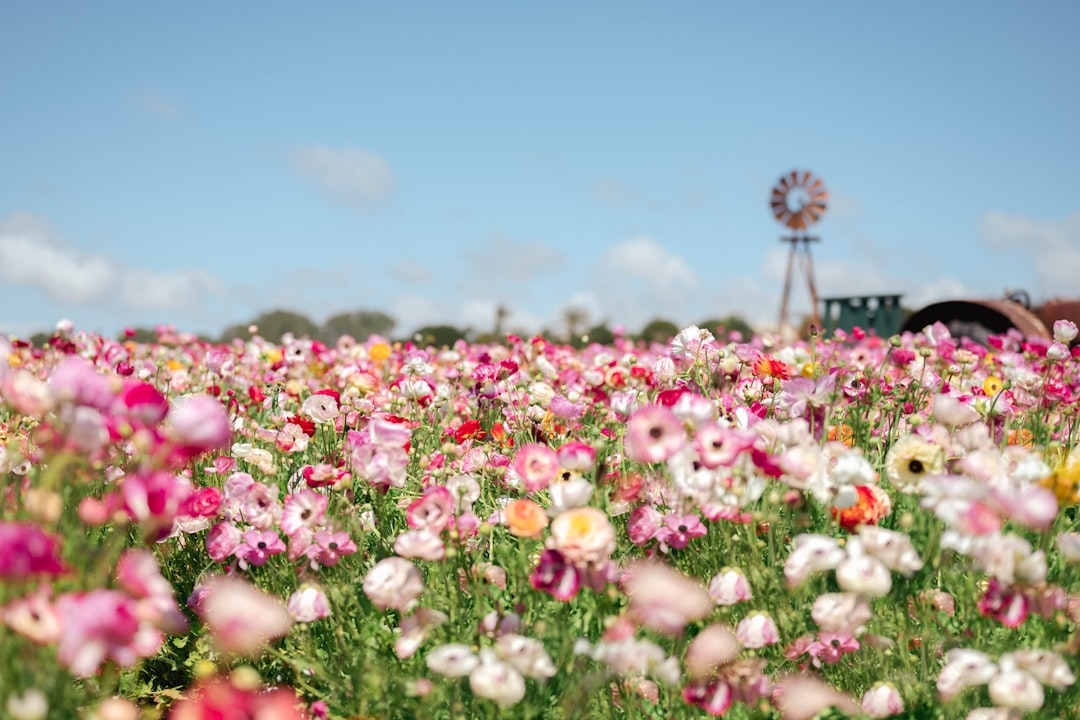
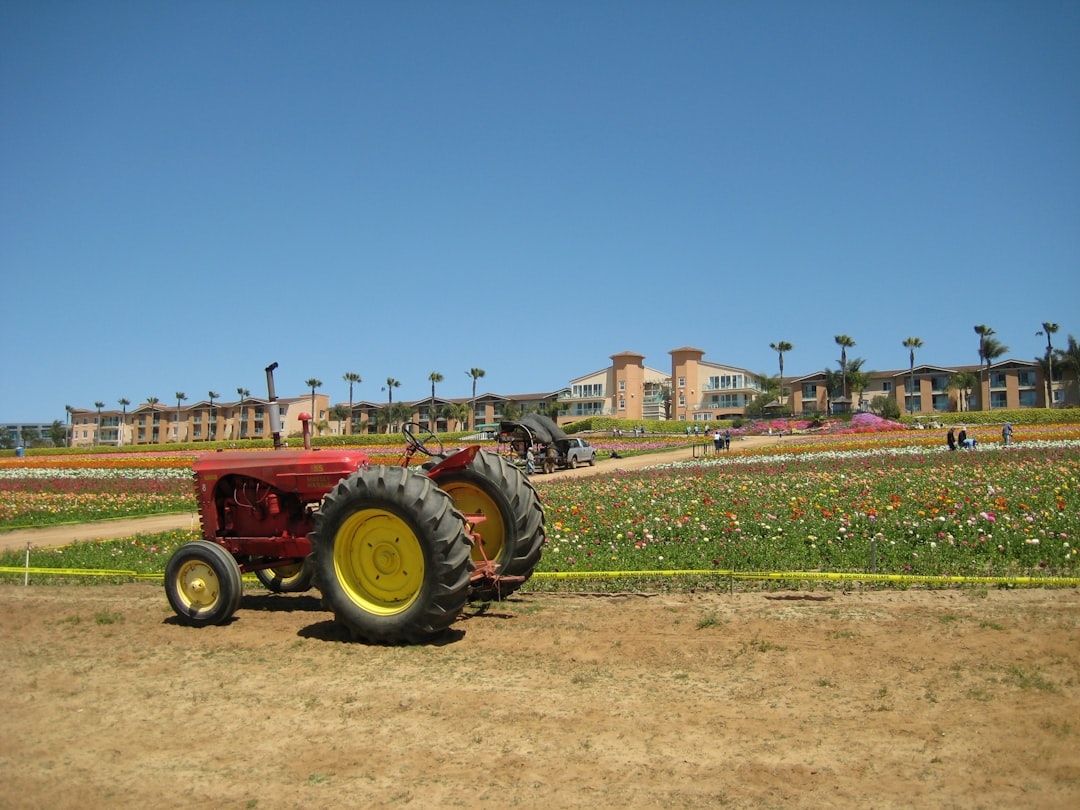
Mile-long, candy-hued stripes of Giant Tecolote Ranunculus stretch toward the ocean. Over 6 million bulbs are hand-planted each year–a labor-intensive process most visitors overlook. You can’t enter the flower beds, but marked photo points offer perfect vantage spots.
Tractor Wagon Rides
A $10 upcharge gets you a narrated ride, a lifesaver for families or anyone with mobility concerns. Wagon routes loop around the fields, with a midway stop at the American Flag of Flowers–40,000 red, white, and blue blooms planted to create a living flag.
Flower-Themed Attractions
- Sweet Pea Maze: Grown anew each season. Great for kids (and adults who get lost anyway).
- Demonstration Gardens: See drought-resistant natives, roses, and sunflowers, with placards explaining best care in USDA Zones 9-11.
- Greenhouse Poinsettia Exhibit: The Ecke family brought the modern US poinsettia industry to life from Carlsbad; tour the legacy with over 20 rare varieties.
- Santa’s Playground: Vintage playhouses from the old Santa Ana children’s park, relocated here for pint-sized visitors.
Local Eats and Shopping
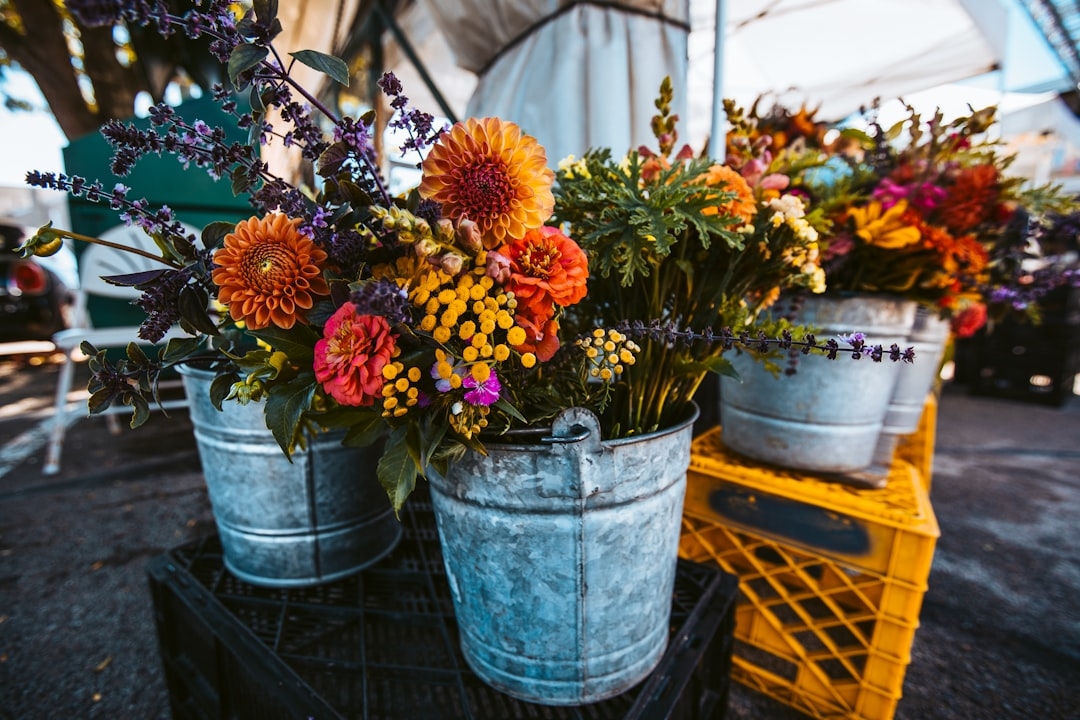
Pick up strawberry popcorn (a Carlsbad specialty), fresh lemonade, or farm-fresh flowers at the Armstrong Garden Center stand. In 2026, new food booths feature SoCal favorites: fish tacos, cold brew, and local ice cream.
Tickets, Pricing, and Planning Your Visit
Carlsbad Flower Fields went fully online for ticketing in 2023–and the policy’s stuck since. Here’s how to make sure you don’t get turned away.
Buying Tickets
- Advance Purchase Required: All tickets must be bought at theflowerfields.com (don’t trust scalpers; no tickets are sold at the gate)
- Prices (2026):
- Adults: $25
- Seniors (60+): $22
- Children (3-10): $12
- Under 3: Free
- Military: 10% off (with ID at check-in)
- Tractor Wagon Ride: $10 per person
- Flower U-Pick: $8 for a bunch (select days only)
Capacity and Entry
- Max daily capacity is capped at 7,500 visitors. Weekend midday slots can sell out two weeks ahead in peak bloom.
- Entry is by 30-minute window; you can stay as long as you like.
- Dogs are only allowed on “Dog Days” (scheduled two Mondays per season; service animals always welcome).
Accessibility
Most paths are packed dirt with moderate slopes; about 65% of the grounds are wheelchair-friendly. ADA restrooms onsite. Stroller access is mostly smooth except after heavy rain.
| Ticket Type | Price (USD) | Notes |
|---|---|---|
| Adult | $25 | Age 11-59 |
| Senior | $22 | Age 60+ |
| Child | $12 | Age 3-10 |
| Under 3 | Free | |
| Military | $22.50 | With valid ID |
| Wagon Ride | $10 | Optional, highly recommended |
Best Photo Spots and Insider Tips
Photo Hotspots
- Main Entrance Rows – Just past the ticket booth, wide views of the entire color “palette.”
- American Flag Flower Patch – Unique to Carlsbad; best captured from the wagon ride.
- Overlook Platform – Small deck on the northern hill, panoramic field and coastline backdrop.
- Sweet Pea Maze Exit – Natural floral archway, mid-morning light hits just right.
- Poinsettia Greenhouse – Dramatic indoor shots even on overcast days.
Photography Advice from the Pros
Melissa Farrow, San Diego floral photographer, recommends, “Bring a polarizing filter to cut glare–midday sun is harsh and can wash out colors. Use a wide-angle lens (18mm or lower) for those sweeping field shots.” Drones are prohibited in 2026, so keep it ground-level.
Flower Field “Dos and Don’ts”
- Stay on Paths: $250 fines for entering flower beds.
- No Picking: Except at the designated U-Pick area (usually open weekends in late April).
- Tripods: Allowed only off main paths, not during busy periods.
Carlsbad Flower Fields vs. Other California Floral Attractions
Thinking of other spring flower sites? Carlsbad stands out–but here’s a comparison for context.
| Attraction | Size (Acres) | Main Blooms | Season | Price (Adult) | Unique Feature |
|---|---|---|---|---|---|
| Carlsbad Flower Fields | 55 | Ranunculus | Mar-May | $25 | Rainbow-striped fields |
| Antelope Valley Poppy Reserve | 1,700 | California Poppy | Mid-Mar-Apr | $10 parking | Wild native poppies |
| Descanso Gardens | 150 | Camellias, tulips | Mar-Apr | $20 | Wooded garden settings |
| The Huntington | 120 | Roses, succulents | Mar-May | $29 | Botanical libraries |
| Roozengaarde (WA) | 30 | Tulips | Apr-May | $18 | Dutch-style windmills |
“Carlsbad is where you go for intense riotous color–it’s not a wildflower reserve or a formal garden, but it’s unrivaled for sheer impact,” says Martinez.
Local Carlsbad and Flower Field Events (2026)
Every season, the Flower Fields host a stacked calendar. Highlights this year include:
- Bluegrass on the Bluff (March 15): Family-friendly folk music festival among the blooms.
- Wine & Flowers After Hours (April Fridays): Sip local Carlsbad wines after general hours, ages 21+ only.
- Kid’s Day (April 21): Face painting, scavenger hunts, and discounted tickets for children.
- Art in the Fields (Saturdays, late March-early May): Local painters and photographers exhibit on site–great spot to pick up gifts.
The nearby Carlsbad Premium Outlets makes a convenient lunch/shopping stop (less than five minutes’ walk from the fields).
How the Flower Fields Impact Floristry and Local Economy
The Carlsbad Flower Fields aren’t just a pretty face; they’re an economic powerhouse in North County San Diego. According to the Carlsbad Chamber of Commerce, flower tourism contributed an estimated $11.8 million to local businesses in 2025. Local florists like SunKissed Floral Design source ranunculus directly from the fields for spring arrangements, keeping supply chains tight and blooms fresh.
Nationally, ranunculus have exploded in popularity–FTD lists them among its top 5 trending wedding flowers for 2026. Their vase life (7-10 days) and dramatic, multi-layered look have spurred demand among US florists, with wholesale prices up 15% from 2024.
“The fields drive a spike in ranunculus searches each spring–our online orders triple compared to other months,” says Jenna Lee, owner of Carlsbad-based Bud & Vine.
FAQ: Carlsbad Flower Fields
How long does it take to walk through the Carlsbad Flower Fields?
Most visitors spend 1.5 to 2 hours exploring, including a wagon ride and stops for photos, food, and the maze. Those with children or keen photographers may linger 3+ hours.
Are outside food and drinks allowed?
Picnics are not permitted inside the fields, but small snacks and water bottles are fine. There are several shaded rest areas and on-site food vendors serving local and family-friendly options.
When do the Carlsbad Flower Fields open for the 2026 season?
In 2026, the Flower Fields are scheduled to open March 1 and close May 12, weather permitting. Always check their website for the most current dates, especially after heavy rain.
Are pets allowed at the Carlsbad Flower Fields?
Pets are only allowed on designated Dog Days. Service animals are permitted at all times in accordance with ADA guidelines.
Can you buy fresh-cut flowers at the Carlsbad Flower Fields?
Yes, freshly cut ranunculus and other seasonal blooms are available for purchase at the Armstrong Garden Center tent on site. U-Pick ranunculus bunches are offered on select weekends–$8 per bouquet.
Ready to Visit? Plan Your Flower-Powered Day
Peak bloom only comes once a year, and slots fill up quickly. Secure tickets online as soon as 2026 dates drop, choose your timing with care (weekday mornings win for serenity), and don’t forget sunscreen and a camera. If you’re already feeling the floral itch, why not bring a bit of the experience home? Many local Carlsbad florists offer ranunculus arrangements throughout spring–making every day feel a little like a walk through the fields.